Varanasi Ayodhya Pilgrimage Tour Package

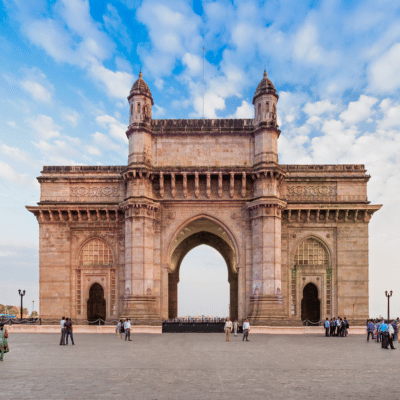
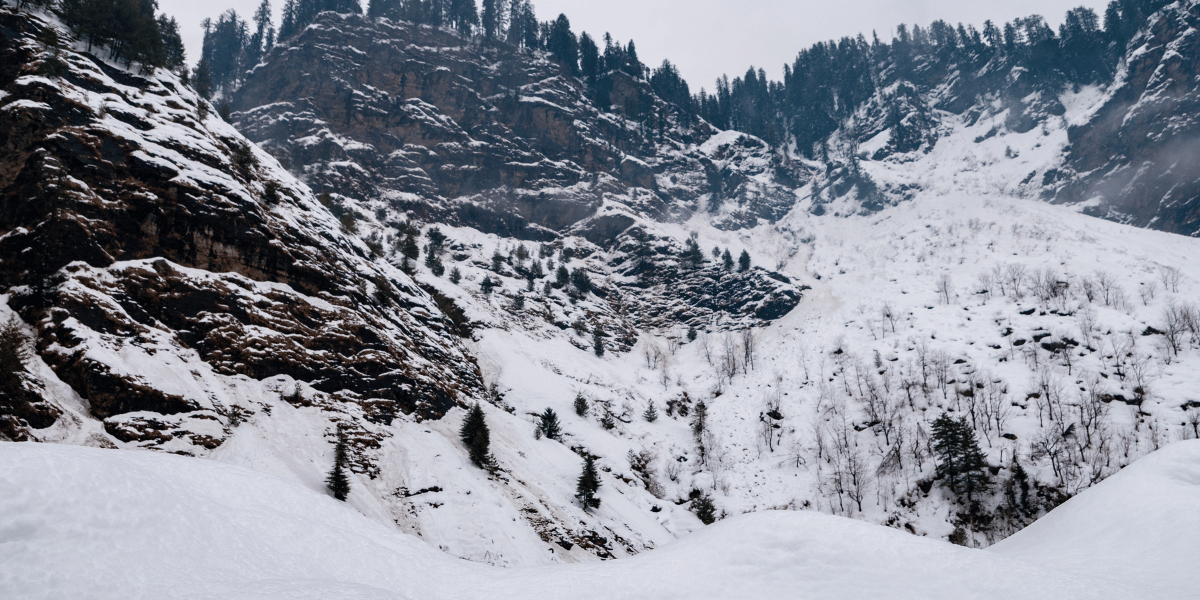
Dashashwamedh Ghat - Varanasi
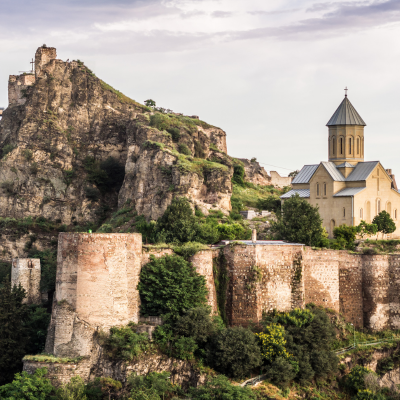
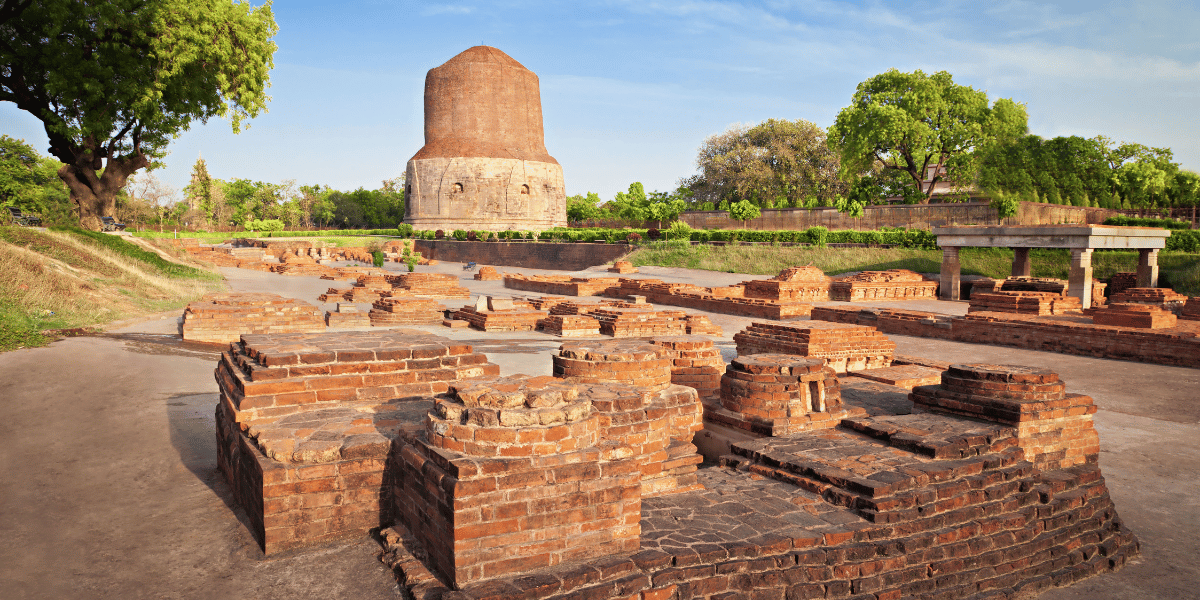
Dhamek Stupa - Sarnath
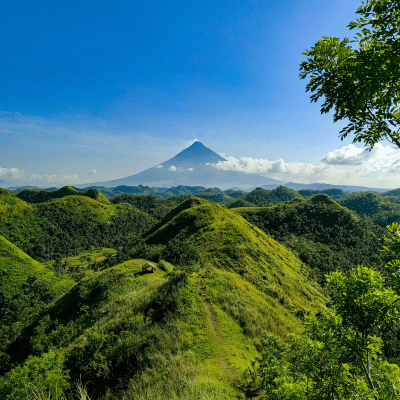
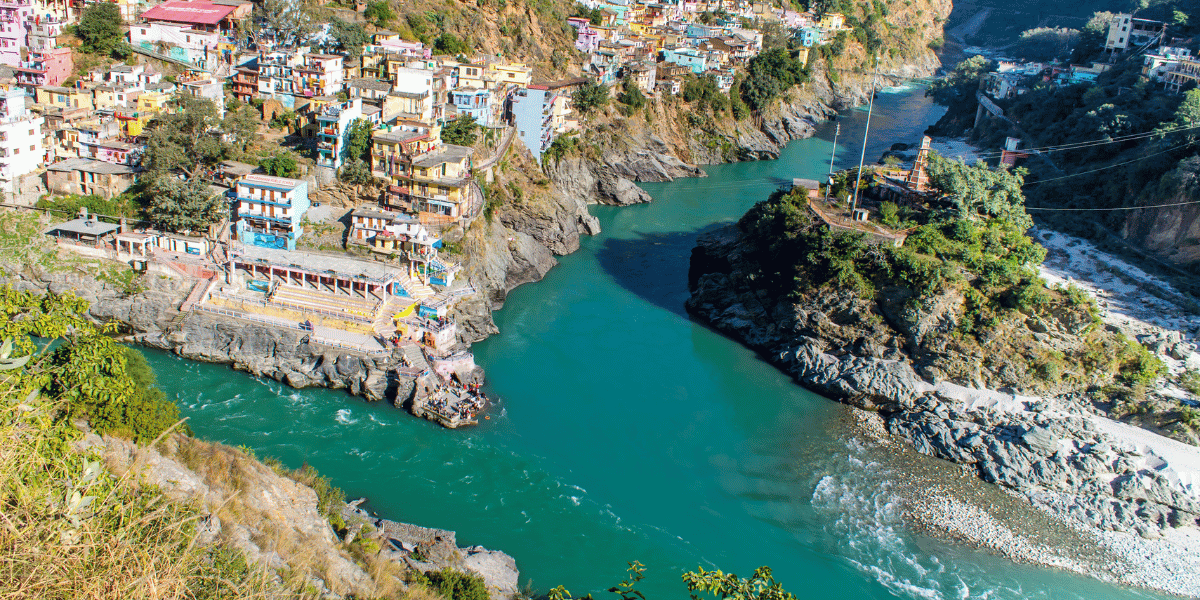
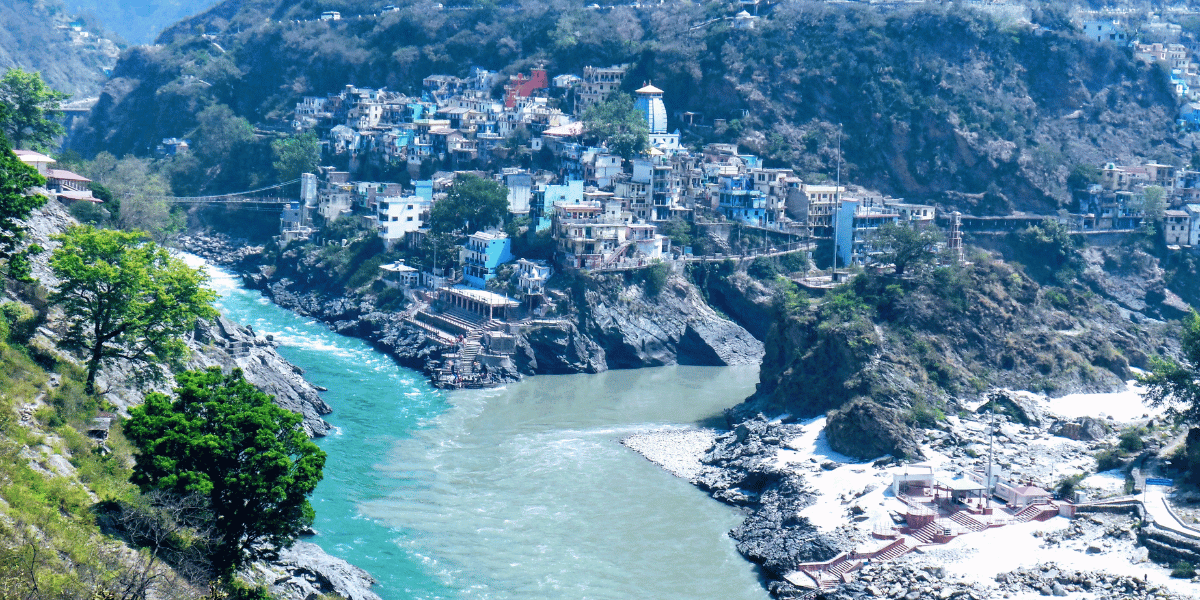
Triveni Sangam - Prayagraj
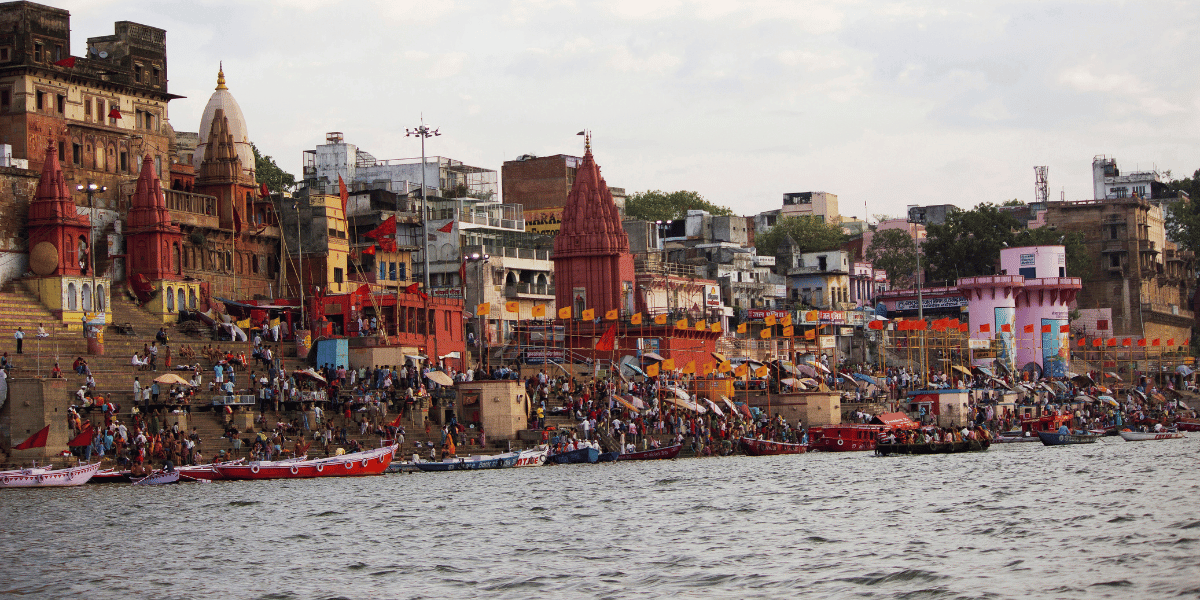
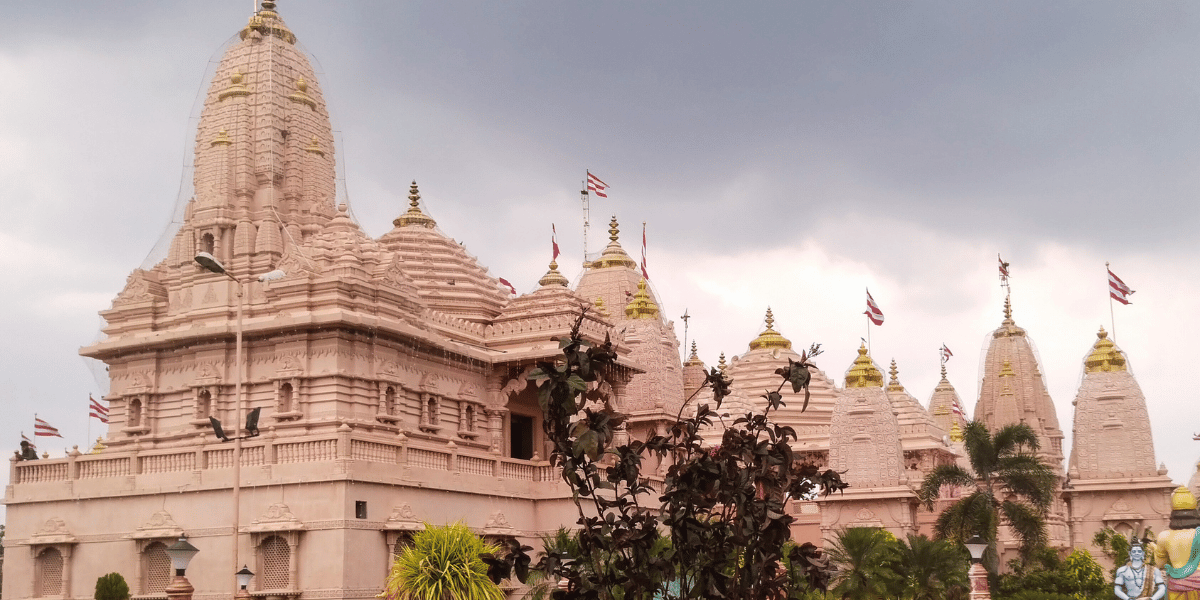
Ram Temple - Ayodhya
Dashashwamedh Ghat - Varanasi
Dhamek Stupa - Sarnath
Triveni Sangam - Prayagraj
Ram Temple - Ayodhya
Best Deal Guaranteed
6 Days Trip Starting from
NPR 80000/ Person
Get A Quote
Duration
6 Days
Accomodation
3 Star Deluxe
Group Size
2-6 People
Meals
As Mentioned
Transport
On Private
Arrive At
Kathmandu

Trip Overview

For many Nepali pilgrims, India holds deep cultural and spiritual significance, as it’s a nation that cherishes its ancient roots, historical legacy and colorful cultural traditions just like Nepal!

Incredibly diverse in terms of geography, art, food practices and sightseeing attractions, this nation is known for welcoming thousands of Nepali tourists, especially those interested in spirituality, personal growth and self discovery.

And with this in mind, we especially crafted this 6-Day Varanasi Ayodhya Pilgrimage Tour Package for our Nepali travelers wanting to tour a handful of India’s most sacred cities like Varanasi, Sarnath, Prayagraj and Ayodhya.

Starting off with a flight from Kathmandu to Bhairahawa, followed by a drive to Varanasi, considered to be a part of the “Sapta Moksha Puri”, meaning it’s a part of seven holiest pilgrimage sites in India believed to attain "moksha" – liberation from the constant cycle of life and death.

In this “city of lights”, you’ll visit Dashashwamedh Ghat, a sacred site known for its glorious evening Ganga aartis, which you’ll get to experience. Said to be an incredible moment, the aarti will help awaken your inner soul and recharge your senses, as you’ll witness priests chant hymns, light oil lamps and pay respects to Goddess Ganga who represents compassion and purification in Hindu culture.

You’ll also get to explore Shiva temples like Kal Bhairav, Shri Kashi Vishwanath and New Vishwanath Temple, known for their spiritual atmosphere. Next, tour Sarnath, a historical town visited by Lord Buddha after he gained enlightenment in Bodh Gaya, believed to be around the 6th century BCE.

Go on a kora walk around Dhamek Stupa, see the 45 feet tall Ashoka Pillar and catch sight of various Buddhist artifacts in Sarnath Museum in this pilgrimage city. Similarly, you’ll have a chance to visit Prayagraj and Ayodhya, two significant destinations that hold a strong connection to the Ramayana.

Sites like Shri Ramjanmbhumi Temple, Dasrath Mahal, Sita ki Rasoi and Shri Bade Hanuman Ji Temple are covered in these cities, helping you gain insights into the life of Lord Ram, the 14 year exile and other key events of the Ramayana.

Explore India : Best Cities, Attractions and Travel Season

To simplify your experiences, we’ve prepared a table down below featuring the top cities and towns that you’ll be visiting along with their key attractions, regions and the most favorable season to visit.

Cities and Towns

State 

Attractions Covered 

Best Travel Months 

Varanasi (also known as Banaras/Kashi)

Uttar Pradesh

Kal Bhairav Temple, Shri Kashi Vishwanath Temple, Annapurna Devi Temple, Tulsi Manas Mandir, Durga Mandir, Sankat Mochan Temple and New Vishwanath Temple 

October to March

Sarnath 

Uttar Pradesh

Dhamek Stupa, Ashoka Pillar, Sarnath Deer Park, Shri Digambara Jain Temple, Sarnath Museum and Chaukhandi Stupa

October to March

Prayagraj (also known as Allahabad)

Uttar Pradesh

Triveni Sangam, Alopi Devi Mandir (Prayaga Madhveshwari), Shri Bade Hanuman Ji Temple and Anand Bhawan Museum 

October to March

Ayodhya

Uttar Pradesh

Shri Ramjanmbhumi Temple, Hanuman Garhi Temple and Sita Ki Rasoi

October to March

Explore the Sacred City of Varanasi

To start off your pilgrimage tour, you’ll step into the ancient city of Varanasi, located in the northern region of Uttar Pradesh. Often also called Banaras or Kashi, this destination is a sacred pilgrimage spot, as it is home to many ancient Hindu temples, rivers and ghats, and some even date back to the 11th century.

Here, you’ll be visiting a handful of the city’s most revered temples, starting with the Kal Bhairav temple dedicated to Kal Bhairav (a manifestation of Lord Shiva), who is considered to be the guardian deity of Banaras. Seek blessings from the priests, light butter lamps and offer fruits and flowers to get the best spiritual experience at this revered site.

Next, explore the Shri Kashi Vishwanath temple, dedicated to Lord Shiva. Constructed using Nagara architecture, this attraction houses one of the twelve jyotirlingas. Likewise, stop by Annapurna Devi Temple, which worships Goddess Annapurna. Constructed using white marble, this site has stood as a symbol of purity and devotion in Hindu culture.

Then, tour the Tulsi Manas Mandir, established in 1964. Believed to be the spot where poet Goswami Tulsidas composed Ramcharitmanas (retelling of Ramayan), where you’ll be able to see idols of Lord Ram, Laxman and Goddess Sita.

Also, witness the sacred atmosphere of Durga Mandir, which embodies power and protection in Hindu culture, followed by Sankat Mochan Temple, a 16th century historical landmark that is said to protect devotees from unforeseeable dangers and bring good luck and blessings to one’s life.

Lastly, finish your tour in this city at the New Vishwanath Temple, located inside BHU (Banaras Hindu University). Constructed to honor Lord Shiva, the temple features many striking tall shikharas (spires), sacred shrines and halls.

Step Into The Timeless Serenity Of Sarnath

For the next step of the journey, you’ll tour Sarnath, in Uttar Pradesh. Popular for its sacred monasteries and historic stupas, this town is visited in huge numbers by Buddhist pilgrims, as Lord Buddha gave his first sermon at Dhamek Stupa (which you’ll be seeing) after gaining enlightenment in Bodh Gaya.

The Dhamek Stupa is a cylindrical structure that was initially built by Emperor Ashoka in 249 BC and expanded later in the 5th century by the Gupta dynasty. Standing at a height of around 141 feet, this site is said to be a powerful destination for spiritual activities like meditation and circumambulation (walking clockwise around a sacred spot).

Moving on, discover Ashoka Pillar, established by Emperor Ashoka in the 3rd century. At the present time, you’ll only get to see the broken remains (base) of this renowned landmark as it was demolished. One of the pillar's most striking features was the four statues of lions facing towards four directions (renowned as the Lion capital of Ashoka) situated at the top most part that was fortunately saved and preserved in the Sarnath Museum. Your next destination includes a visit to Sarnath Deer Park, a lush green space for relaxing and unwinding.

From here, explore Shri Digambara Jain Temple, dedicated to the 11th Jain Tirthankara, Lord Shreyanshnath. Constructed in 1824, this attraction houses the main idol of the leader in the inner garbha griha (sanctum), where you’ll also be able to see paintings and photos of other prominent figures of the Jain religion.

Lastly, visit Sarnath Museum that houses a vast collection of historical artifacts and Chaukhandi Stupa constructed during the Gupta ruling during the 4th-6th century. What makes this attraction significant for Buddhist pilgrims is that it’s said to be the very place where Buddha met his first five disciples after gaining enlightenment.

Seek Blessings At The Holy Sangam In Prayagraj

Another of Uttar Pradesh’s popular pilgrimage cities is Prayagraj, known for its religious temples, holy rivers and spectacular North Indian cuisines. The Maha Kumbh Mela, one of India’s biggest religious festivals, was also celebrated in this city last year (2025) and what makes this mela stand out from other melas is that it occurs every 144 years! 

The 2025 Maha Kumbh invited thousands of devotees from various nations, as it’s believed that pilgrims who bath in Triveni Sangam (located within the city) are able to gain moksha (freedom from the continuous cycle of life and death).

Similarly, in Hindu mythology, it’s also said to be the site where Lord Ram, Laxman and Goddess Sita spent a few days before leaving for their 14 year exile from Ayodhya. To get the best experience, you’ll visit the Triveni Sangam, the convergence of three sacred rivers - Ganga, Yamuna and Saraswati

Other notable destinations include Prayaga Madhveshwari Temple, dedicated to Goddess Sati, followed by Shri Bade Hanuman Ji Temple, devoted to Lord Hanuman, Lord Ram’s most loyal follower. Furthermore, the main idol is kept in the inner sanctum in a reclining position.

You’ll also visit the Anand Bhawan Museum built during the 1930s, which served as the residential home for the Nehru family later down the line and while sightseeing, you’ll get to see numerous belongings of the family members.

Experience The Sacred Legacy Of Ayodhya

In Ayodhya, you’ll first stop by Shri Ram Janmabhoomi Temple, devoted to Lord Ram. Built using Nagara architecture, this attraction is made out of pink sandstone and comprises many pillars, mandapams (halls) and shrines that have helped preserve the rich history and legacy of Ayodhya.

Following this, Dasrath Mahal is the royal palace where Lord Ram and Lakshman grew up. Built using a mix of Awadhi and Mughal architecture, the walls of this destination are decorated in colorful murals and artworks.

Likewise, the Kanak Bhavan, also called the “Palace of Gold”, was a wedding gift from Queen Kaikeyi to Goddess Sita. Then, the Hanuman Garhi Temple, established to honor Lord Hanuman. Located on top of a scenic hill, you’ll have to climb a few steps to reach this site and will even get to see panoramic views of Ayodhya city from here. 

And Sita Ki Rasoi, a sacred spot where Sita made many home cooked meals for her family after she got married and lastly, Saryu River, a holy river where you’ll see pilgrims gather for religious ceremonies and prayers.

Varanasi Ayodhya Pilgrimage Tour Package Highlight

  • A private and customized tour.
  • Explore a few of India’s most sacred destinations like Varanasi, Ayodhya, Prayagraj and Sarnath.
  • Attend the glorious Ganga aarti in Dashashwamedh Ghat and soak in the spiritual atmosphere of Varanasi.
  • Visit the Shri Vishwanath Temple, an unmissable spot for Shiva bhaktas that houses one of the twelve jyotirlingas.
  • Stop by Dhamek Stupa where Lord Buddha delivered his first sermon after attaining enlightenment in Bodh Gaya.
  • Witness the everlasting beauty of the Ashok Pillar standing at a height of 50 meters constructed during the Ashoka period.
  • See Hindu pilgrims taking holy dips and performing various rituals in the sacred Triveni Sangam.
  • Immerse yourself in the rich historical legacy and thriving cultural legacy of India.

Outline Itinerary

Day 01: Fly to Bhairahawa, Drive to Varanasi.

Day 02: Varanasi Sightseeing, Ganga Aarti.

Day 03: Drive to Sarnath, Sightseeing.

Day 04: Prayagraj Sightseeing, Drive to Ayodhya.

Day 05: Ayodhya Sightseeing.

Day 06: Departure, Flight Back to Kathmandu.

Detailed Itinerary

Expand all
Day 1

Fly to Bhairahawa, Drive to Varanasi.

At. (Your Arrival Time): Upon arrival at Gautam Buddha (also known as Bhairahawa) International Airport in Lumbini, you’ll be transferred to your pre-booked hotel in Varanasi (via road), which can take around 6 to 7 hours to reach.

Note: You can also choose to travel by road but please take into consideration that you’ll have to reach the Sunauli (Bhairahawa) border by yourself. You’ll be picked up from here and then be transferred to Varanasi by a private vehicle.

Titled as one of India’s most sacred cities, Varanasi is situated in the southeastern region of Uttar Pradesh state. Being a renowned pilgrimage spot for many Hindu devotees, this destination is known for historic temples, sacred rivers and local bazaars.

Upon arrival at your accommodation, complete the check-in procedure and take some time off to relax and de-stress. 

Meal: Not Included.

Day 2

Varanasi Sightseeing, Ganga Aarti.

At. 06:00 AM: After having your delicious breakfast at the hotel, you’ll visit Varanasi’s most prominent temples, starting with Kal Bhairav Temple, devoted to Kaal Bhairav (a manifestation of Lord Shiva). Established using traditional Maratha architecture, the main idol is kept in the inner sanctum and decorated with colorful garlands and jewellery.

To soak in the spiritual atmosphere of this destination, you can seek blessings from the priests outside of the sanctum and offer flowers, fruits and sweets to the deity (at your own personal cost).

Next, explore Shri Kashi Vishwanath Temple, which houses one of the 12 Jyotirlingas (symbols) of Lord Shiva. Built using the Nagara style, this temple features three elegant shikhara (spires) and numerous smaller shrines dedicated to various Hindu deities like Ganesh and Shiva.

You’ll see a ton of devotees (Shiva bhaktas) visiting this temple throughout the day, as various aartis (like mangala, bhog and sapta) are conducted at different time periods where priests chant Hindu bhajans, light oil lamps and offer gratitude to the deity.

Thereafter, explore the revered Annapurna Devi Temple, constructed to honor Goddess Annapurna who symbolizes nourishment and abundance in Hindu culture. After a few hours of exploration, you’ll be taken back to the hotel for breakfast that you can enjoy at your own pace.

Following this, stop by Tulsi Manas Mandir, dedicated to Lord Ram, who represents moral integrity, purity and inner strength in Hindu culture. Made out of white marble, this temple features idols of Lord Ram, Sita, Lakshman and Hanuman.

As the tour continues, proceed to Durga Mandir, established around the 18th century. Colored a vibrant red, this historical temple is dedicated to Goddess Durga and designed in traditional Nagara architecture. Additionally, there’s also a holy water tank (Durga Kund) situated here as well, where you’ll see many pilgrims offering prayers and performing rituals.

Often called “the monkey temple”, you’ll be able to see these playful animals in and around the temple complex and idols of Goddess Kali, Saraswati and Laxmi kept protected on the temple’s premises.

Next, continue onwards to Sankat Mochan Temple. It’s believed that praying in this temple saves one from difficulties and hardships. Lastly, stop by the New Vishwanath Temple honoring Lord Shiva. Situated within Banaras Hindu University, this temple offers an equally rich atmosphere, as you can read inscriptions of sacred Hindu texts from the Bhagavad Gita inscribed on the temple walls.

In the evening time, you will attend the Ganga Aarti ceremony at Dashashwamedh Ghat, where you’ll see priests perform the aarati and sing soulful bhajans. After attending the aarti program, return back to your hotel and enjoy your overnight stay.

Optional: You can also go for a boat ride on the Ganga river at an additional cost; if you choose to do so, please provide us with prior notice.

Meal: Breakfast Included.

Day 3

Saranath Sightseeing.

At. 07:30 AM: After having a fulfilling breakfast, you’ll be driven to Sarnath from Varanasi, which can take around 30-45 minutes to reach (or more depending on the traffic).

Sarnath is a historical town located in Uttar Pradesh which was visited frequently by Gautam Buddha after he gained enlightenment in Bodh Gaya around the 6th century.

In this city you’ll be exploring the Dhamek Stupa, established by Emperor Ashoka in 249 BCE. The sheer shape and size of this stupa will leave you astounded, as it measures up to a staggering height of around 141 ft and a width of 28 meters!

Believed to be the first location where Lord Buddha delivered his first official sermon to his first five disciples after he attained enlightenment, the stupa is colored reddish-brown and constructed out of a mix of stone and brick. Furthermore, the lower area of the stupa is carved with various elegant decorations and floral drawings, whereas the upper part has been left empty and plain.

You’ll also see pilgrims go on kora walks (walk clockwise) around the base of the stupa and recite Buddhist sayings during the walk, like “Om Mani Padme Hum”, or “Om Vajrasattava Hum”, as these sayings are said to bring positive energy and remove negative karma from one’s life, which you can do as well.

Following this, you’ll visit Ashoka Pillar and Sarnath Deer Park (situated close by Damek Stupa). Established under the guidance of Emperor Asoka during the 3rd century, this landmark currently only holds the broken remains, as it was destroyed years later down the line. During its prime, the top most part that featured four elegant statues of lions (facing away from one another) was luckily preserved and taken to Sarnath Museum, where it stands till this day.

Whereas the Sarnath Deer Park is known for its small population of deer. If lucky, you might even spot a few of these animals in their natural habitat. 

Moving ahead, tour the Shri Digambara Jain (also called Shreyanshnath) Temple, dedicated to Lord Shreyanshnath (a highly popular Jain spiritual leader). Constructed in 1824, this attraction houses the main idol of the leader in the inner garbha griha (sanctum), where you’ll also be able to see paintings and photos of other prominent figures of the Jain religion.

Finally, spend some time in the Sarnath Museum, which was established to preserve all the historical artifacts of this city. Consisting multiple galleries, this destination features many ancient sculptures and statues related to Buddhism which date from the 3rd century B.C. to the 12th century A.D.

And the Chaukhandi Stupa, established during the Gupta ruling during the 4th-6th century. What makes this attraction significant for Buddhist pilgrims is that it’s said to be the very place where Buddha met his first five disciples after gaining enlightenment. One unique feature that you’ll notice is that this stupa also features an elegant octagonal brick tower as well. 

Once all sightseeing activities are finished, you’ll then return to your hotel (in Varanasi), where you can enjoy your overnight stay.

Meal: Breakfast Included.

Day 4

Prayagraj Sightseeing, Drive to Ayodhya.

At. 06:00 AM: After having a fulfilling breakfast at the hotel, complete the checkout formalities, as you’ll be driven to Prayagraj from Varanasi, which can take around 3-4 hours to reach. Your sightseeing tour here will begin by visiting Triveni Sangam, which is a convergence of three holy rivers- Ganga, Yamuna and Saraswati

In Hindu mythology, it’s believed that taking a dip in this sacred river is said to rid one of sins/evil doings and help gain moksha (liberation from the cycle of life and death). Last year (2025) marked the celebration of the Maha Kumbh Mela, held every 144 years in India and was conducted the past year in Prayagraj. This mela invited thousands of pilgrims from many neighbouring nations, as engaging in religious activities during this time is thought to be highly auspicious. 

Next, explore Alopi Devi Temple (also known as Prayaga Madhveshwari Temple), Shri Bade Hanuman Ji Temple and Anand Bhawan Museum.

The Alopi Devi Temple honors Goddess Sati. What makes this specific temple significant for many pilgrims is that it is one of 51 shakti peethas in India. 

The Shri Bade Hanuman Ji Temple associated with Lord Hanuman is located close to the Triveni Sangam and features the idol of Lord Hanuman in a sleeping position. Decorated with colorful garlands, jewellery and clothing, Hanuman was one of Lord Ram’s most loyal devotees and plays a significant role in Ramayan, one of the most significant Hindu scriptures.

Finally, explore the Anand Bhawan Museum, which in the past served as the residence for the Nehru family. Constructed by Motilal Nehru (a prominent Indian lawyer), you’ll see many historical artifacts and personal belongings of the family.

Once you’ve finished all the sightseeing tours, you’ll be transferred to Ayodhya from Prayagraj, which can take 4 to 5 hours to reach. Once you’ve reached your pre-booked hotel in this city, complete the check-in procedure and enjoy your overnight stay.

Meal: Breakfast Included.

Day 5

Ayodhya Sightseeing.

At. 07:00 AM: After you’ve had your breakfast, your Ayodhya tour begins with a visit to Shri Ramjanmbhumi Temple, one of this ancient city’s most prominent landmarks.

Believed to be the birthplace of Lord Ram, this 3 story temple was built using Nagara architecture and features a 49 meter tall shikhara (spire) that stands above the main garba griha (inner sanctum). Constructed out of pink sandstone, this site features various courtyards that people use to conduct various religious activities.

Additionally, there are over 300 pillars scattered all across the temple complex that depict art carvings of many Hindu deities from Ramayan that you’ll be able to catch a glimpse of during your tour here! The main 5 mandapams located here are used for conducting many religious programs, prayers and activities.

Other attractions that you’ll be stopping by this day include Hanuman Garhi Temple, a historic temple dedicated to Lord Hanuman. Located on top of a scenic hill, you’ll have to climb a few steps to reach this site and will even get to see panoramic views of Ayodhya city from here.

Next, stop by Dasrath Mahal, the childhood palace where Lord Ram grew up as a prince, and Kanak Bhavan, a renowned temple believed to have been gifted to the Goddess Sita by her mother in law, Queen Kaikeyi.

Then, you’ll visit Sita Ki Rasoi, a sacred spot where Sita made many home cooked meals for her family after she got married. This site will help you delve deeper into the local legends and traditions associated with Ramayan.

And finally, the Saryu River, a deeply spiritual river where many pilgrims gather to conduct religious Hindu ceremonies. You’ll see pilgrims here gather for religious ceremonies and prayers, as it is considered one of Ayodhya’s most sacred sites. 

Later, after touring all these sites, you’ll be driven back to your hotel (in Ayodhya), where you can enjoy your overnight stay.

Optional: You can also go boating in the Saryu River at an additional cost; if you choose to do so, please provide us with prior notice. You can also attend the evening aarati at Ram Ki Paidi (a ghat area) located near the Saryu river as well. 

Meal: Breakfast Included.

Day 6

Departure, Fly to Kathmandu via Bhairahawa.

At. 07:00 AM: After having a fulfilling breakfast at the hotel, get ready for your drive to Gautam Buddha (also known as Bhairahawa) International Airport from Ayodhya for your flight back to Kathmandu.

It’s hard to believe that your Varanasi Ayodhya Pilgrimage Tour has come to an end! Safe travels and we hope you made lots of wonderful memories along this journey.

Note: We request you to reach the airport 1 hour before your flight schedule.

Meal: Breakfast Included.

Price Includes

  • Airport Pickup and Drop in Bhairahawa International Airport.
  • Two way Kathmandu-Bhairahawa domestic flight tickets.
  • Daily breakfasts from the second day of the tour.
  • An English speaking tour guide during sightseeing in Varanasi.
  • All 5 nights of accommodation in 3 Star Hotels on double/twin sharing basis.
  • Surface transportation by AC Sedan Car with chauffeur as per the itinerary.
  • All tours and transfers provided on a private basis.
  • All government applicable taxes and service charges.

Price Excludes

  • Tour guide during sightseeing except in Varanasi.
  • Entrance tickets to all sightseeing attractions. 
  • Fees for optional boat rides.
  • Meals not mentioned in the itinerary.
  • Any kind of porterage services.
  • Expenses arising due to early check-in and late check-out.
  • Any kind of travel/health insurance.
  • Extra tour days.
  • Additional sightseeing or usage of vehicles not mentioned in the itinerary.
  • Any nature of personal expenses, such as hotel/room upgrades, room service (food and drinks), phone calls, gratuity, laundry and extra tours.
  • Tips for guides and drivers (not required but recommended).
  • Other services not mentioned in the itinerary.

Travel Guide and Tips

This Varanasi Ayodhya Pilgrimage Tour Package from Nepal is designed to give you a taste of the rich heritage, breathtaking landscapes, and lively culture of the nation’s best destinations. The details regarding this tour package include a detailed itinerary designed for your convenience.

For any assistance or customization requests, please feel free to contact us anytime. Our primary objective is to deliver an exceptional travel experience by creating personalized itineraries tailored to your specific requirements and group size, ensuring a private tour that exceeds your expectations.

We are dedicated to making your trip memorable, offering personalized service and attention to detail. Whether you are traveling solo, as a couple, or with a group, our tour package promises a unique and spiritual experience in the heart of India. 

Trip Booking Process

Booking your tour package with us is a seamless process designed for your convenience. Simply reach out via phone, email, or WhatsApp to express your interest, and our 24/7 team will assist you promptly. 

During your consultation, our travel consultant will discuss your preferences, travel dates, accommodations, and any specific needs you have for the trip. Based on this discussion, we will craft a customized itinerary tailored to your interests and schedule.

We are happy to make any adjustments to ensure it meets your expectations. After reviewing the proposed itinerary and confirming your satisfaction with the quotation, you can proceed by securing your booking with a deposit as outlined in the invoice.

Once we receive your advance payment, we will confirm your hotel reservations and other necessary arrangements. Later, we will share the hotel booking vouchers, flight tickets and visas (if necessary and booked through us), and the revised invoice.

The remaining payment should be made once everything is confirmed from our end. We won't be responsible for any service disturbance due to a partial or late payment from your end. After your trip, we would love to hear about your experience. Your feedback helps us continually improve our services.

Useful Money and Currency Tips

When traveling from Nepal to India, it's essential to consider currency exchange and money management tips to ensure a smooth and efficient trip. When traveling to this nation, it is advisable to bring some INR (Indian Rupee) with you to ensure readiness for initial expenses and unforeseen circumstances. 

For payment options, both cash and credit cards (Visa and Mastercard) are accepted, so it is recommended to carry a mix of these while traveling. Likewise, cash is generally preferred in many local restaurants, small souvenir shops, street markets and rural areas. 

We advise you to carry around 20,000 INR (or more depending upon your needs) in cash for a week’s stay, as this amount can cover expenses such as meals, touring additional places and shopping. During exploration, carrying around 2000-3000 INR is ideal for most purchases, whereas credit cards (like Visa and Mastercard) can be used in many hotels, shopping malls and larger establishments.

By preparing adequately with cash and understanding local currency practices, you can enhance the experience and facilitate smooth transactions throughout your stay in this destination.

Best Time to Visit India

Due to India’s diverse geographical regions, the nation experiences 4 different seasons, out of which the winter season that starts from October to March is the most optimal time to visit this nation. 

During this 6 month period, the climate in cities (and towns) like Varanasi, Ayodhya, Prayagraj and Sarnath stays moderate with comparatively less heat and humidity making it easier for engaging in various outdoor activities such as exploring historic temples, visiting sacred rivers, touring markets, going on hikes/treks, shopping or simply dining at restaurants.

Additionally, monsoon months like June, July and August are best for you to avoid altogether due to the heavy rainfall and high levels of humidity that can significantly impact the sightseeing activities.

Visa Requirements and Travel Documents

To travel to India from Nepal, you don’t need a visa if you are a Nepalese citizen; however, please make sure to carry these documents:

  • Valid Identity Card such as original Citizenship, Passport or Voter card. (issued by the Government of Nepal)
  • For parents traveling with children below 16, please make sure to carry your children’s original birth certificate (issued by the Government of Nepal) and school identity card.

Why Choose Holidays to Nepal? 

Holidays to Nepal, an employee-owned travel company, stands out for its unwavering commitment to excellence in travel arrangements. With a dedicated focus on delivering exceptional value, we ensure every aspect of your journey is meticulously planned and executed to perfection. Our outbound tours are crafted to highlight various countries, offering diverse cultural experiences and stunning landscapes. 

As passionate travel experts, we prioritize personalized service and strive to exceed expectations, ensuring every trip with us is a memorable exploration of the world's wonders. In addition, we conduct tours in Thailand, Singapore, Indonesia, Vietnam, Maldives, Dubai, Malaysia, China, Sri Lanka, Cambodia, Japan, Turkey and India.

Frequently Asked Questions

  • What are the main attractions that I’ll be visiting in this tour package?

    On this tour, you’ll be spending 5 spiritual days in India, where you’ll visit four major pilgrimage sites namely Varanasi, Sarnath, Prayagraj and Ayodhya. And a few attractions that you’ll explore in these places are Shri Kashi Vishwanath Temple, Dhamek Stupa, Triveni Sangam, Shri Ramjanmbhumi Temple and Chaukhandi Stupa.

  • How do I travel from Kathmandu to Varanasi?

    You can travel from Kathmandu to Varanasi via two modes either by road or air. If you choose to travel by air, you’ll take a flight to Bhairahawa, where you’ll be picked up from Bhairahawa Airport and then driven to Varanasi. If you opt for the road, you’ll have to reach the Sunauli (Bhairahawa) border by yourself and then be transferred to Varanasi. The total travel time via road consists of 20-24 hours or can even extend to more depending upon the traffic and road conditions.

  • How will I travel between cities listed on this tour?

    You will first travel from Varanasi to Prayagraj via road (2 to 3 hours) and then from Prayagraj to Ayodhya (4 to 5 hours). Please note that the travel time mentioned also fluctuates upon traffic jams and road conditions.

  • Why is a tour guide provided only in Varanasi and not in other destinations?

    A guide is recommended for tours in Varanasi because many sightseeing destinations like ghats, temples and gallis (alleyways) in this city can be hard to navigate, as they are highly packed with locals and tourists. For the rest of the tour days, as the attractions are easier to explore, you have the freedom to explore them independently on your own terms. 

  • Are there any dress codes or rules that I need to follow while visiting temples in India?

    Yes, temples in India follow certain dress codes and rules of conduct that you’ll need to follow which are listed down below:

    • Wear clothes that cover your shoulders and knees.
    • Most temples also require you to remove your shoes at the entrance, so wear comfortable shoes that you can slip in and out of during tours.
    • Taking photographs inside temples is often restricted, so avoid taking photographs and if it’s permitted, always ask for permission first.
  • What food options are available on the tour? Can it be customized to my dietary restrictions?

    Both non-vegetarian and vegetarian meals can be easily provided to you during tour days. If you have any dietary restrictions, this can be managed as well; for this, we advise you to provide us with prior notice.

Traveler Reviews

How can we help you?
Feeling inspired? Speak to one of our experts