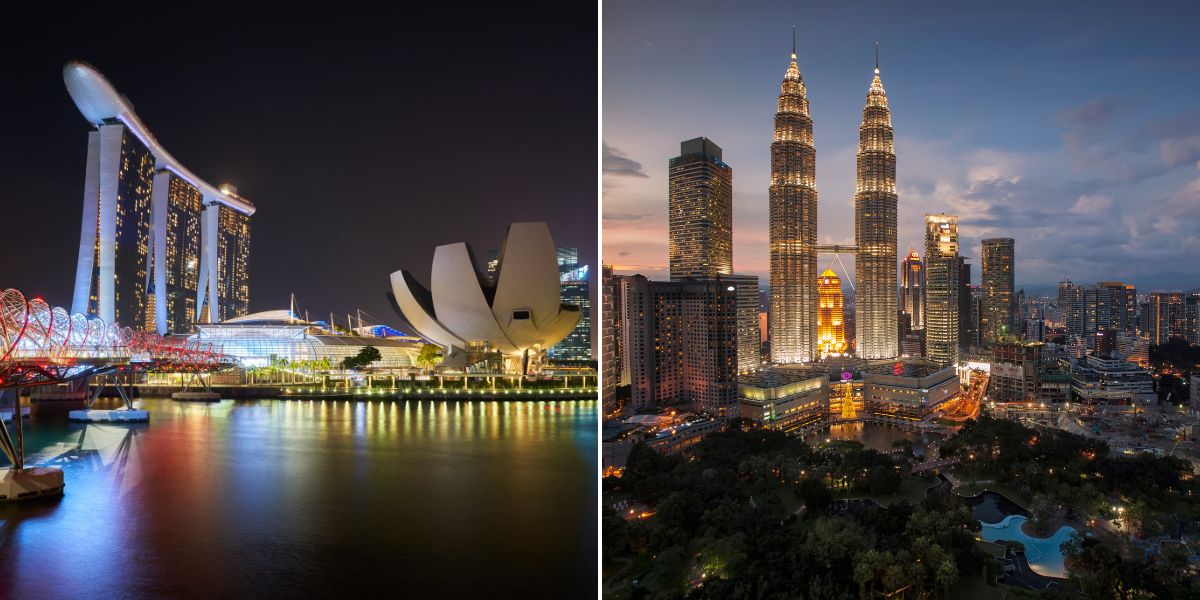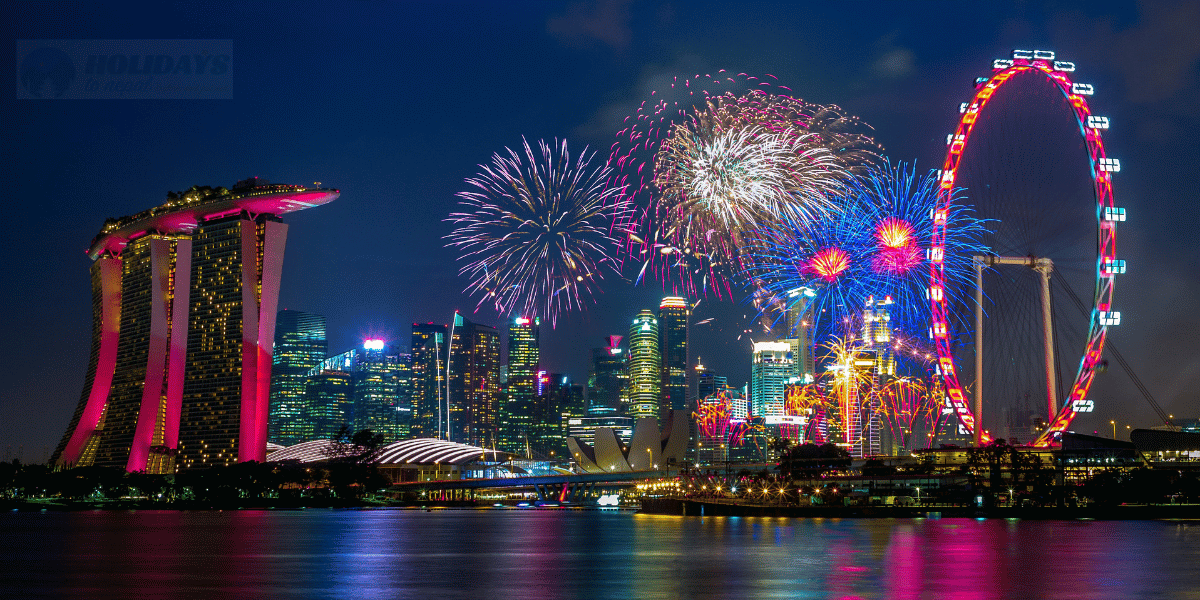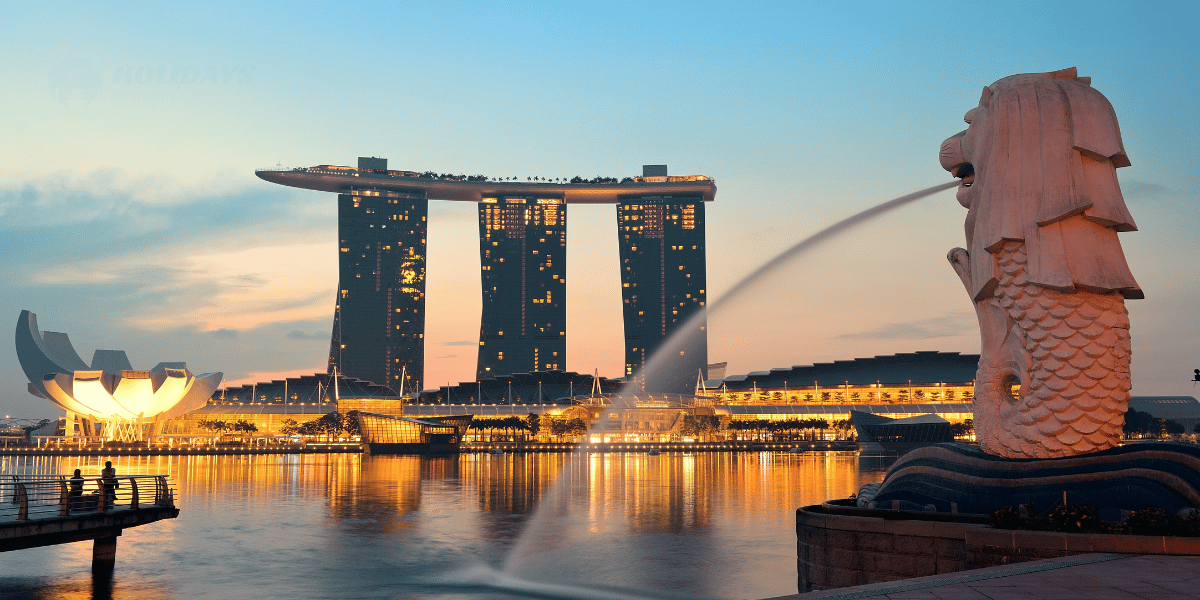
 Singapore
 Malaysia
 Indonesia
 Dubai
Dubai
 Thailand
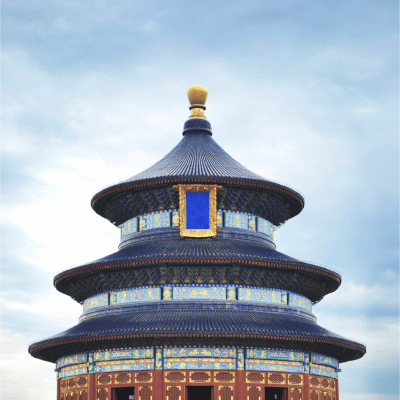 China
China
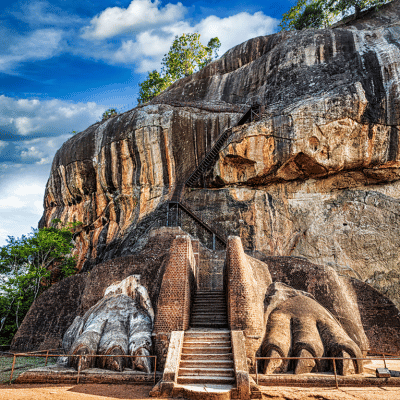 Sri Lanka
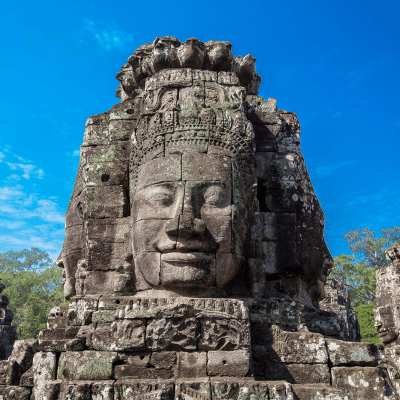 Cambodia
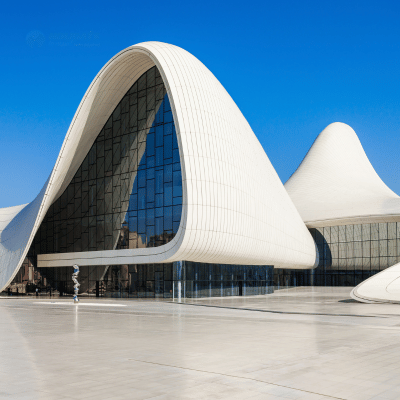 Azerbaijan
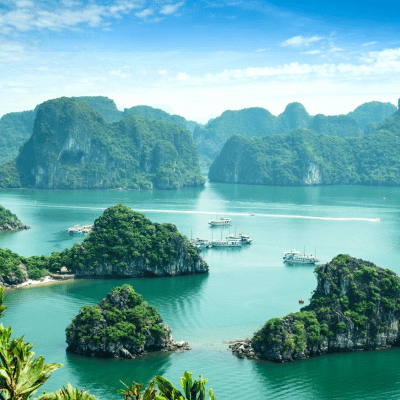 Vietnam
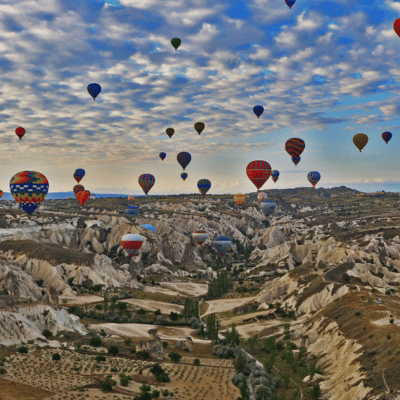 Turkey
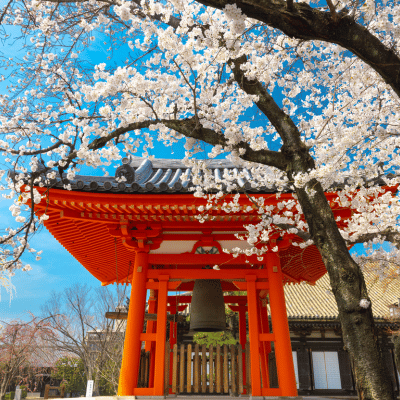 Japan
Japan
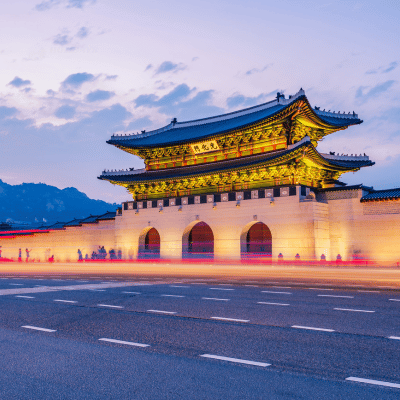 Korea
Korea
 Europe
 India
India
 Maldives
 Georgia
 Philippines
 Africa
 Central Asia
Imagine a destination that is able to fulfill all your travel dreams! Yes, you heard that right!
Whether you’re looking to simply soak in the tranquil beauty of nature in the heart of a bustling city, perhaps want to take a stroll around the world’s best markets infused with history and culture, or simply maybe want to experience slow-paced traveling, cruising on boats sipping mimosas underneath the sun, Singapore is the country you’ve been searching for!
Providing its visitors a perfect mix of modernity and tradition, Singapore is a nation that remains in your heart even long after you’ve visited it!
From Temasek to the Lion City: Understanding Singapore’s Rich History
If you are wondering how Singapore got its name, then we’ve got you covered!
The word “Singapore” is said to be derived from the Sanskrit word “Singapura,” where the word “singa” means “lion” and “pura” means "city", resulting in Singapore being known as the “lion city.”
At present day Singapore is Southeast Asia’s largest port city, known for its top-notch architecture, diverse food cuisines, and rich biodiversity. But in the past, it was a small port city called “Temasek” and was used as a trading post for centuries.
How the Modern "Lion City" Was Shaped
Later down the road, during the 19th century, after the arrival of the British Empire, Singapore slowly started developing in terms of infrastructure and business, where the Raffles Town Plan developed by Stamford Raffles helped divide the nation into various functional regions.
The town plan emphasized majorly the downtown area, focusing on the Singapore River. The government officials were allocated the exclusive zone beginning from Fort Canning to the Singapore River and the Padang, whereas other sectors of the society were provided areas in, around, and near the Singapore River.
Tracing back the nation’s history, Singapore separated from Malaysia on the 9th of August 1965, after years of conflict and political differences leading these two nations to function fully independently.
Finally, after years of struggle, Singapore was freed from the hands of British control in 1971.
If we look at Malaysia, it now functions as a flourishing nation just like Singapore and is divided into 5 Community Development Council (CDC) regions, which are further separated into 55 smaller areas to enhance urban development and growth.
Festivals & Flavors: A Taste of Home in Singapore
Additionally, Singapore has to be one of the most culturally diverse nations in the world, where ethnic groups such as Chinese, Malay, and Indian people have been residing harmoniously in the country for decades.
Likewise, to appreciate the cultural richness found in this nation, an array of festivals such as Deepawali, Chinese New Year, Thaipusam, Zhong Yuan Jie, and Vesak Day are celebrated widely all across the nation by many cultural, ethnic, and religious communities yearly.
In terms of food cuisines, Singapore offers its visitors an assortment of mouth watering cuisines!
Top Food Hotspots and Familiar Flavors for Nepalese
To best capture the everlasting beauty and rich food traditions of Singapore, multicultural neighborhoods like Chinatown, Haji Lane, Arab Street, Little India, Emerald Hill, and Kampong Gelam are the best hotspots to take a walk around!
From popular Indian dishes that Nepali travelers love eating (like freshly fried samosas and pani puri) to traditional Chinese dishes (like spicy pidan-mian and mouthwatering hokkien mee), tourists from Nepal are able to find what they’re looking for in this mesmerizing nation!
The Green City: A Paradise for Nature-Loving Travelers
Singapore, although a cosmopolitan area surrounded by towering skyscrapers, you’ll notice that when you take a walk around the city, there are bits and pieces of nature scattered everywhere you look!
Whether you travel the city by car, via bike, or on foot, there are endless lush nature reserves, vibrant gardens, and tranquil sanctuaries offering travelers a moment of serenity and calmness in the midst of Singapore's chaotic yet charming city energy.
A few must see landmarks for Nepali visitors who want to immerse themselves in Singapore’s natural beauty are Singapore Botanic Gardens, Gardens by the Bay and Sungei Buloh Wetland Reserve and MacRitchie Reservoir Park.
Singapore's Vision: The Green Plan to 2030
Furthermore, this country has initiated the “One Million Trees Movement,” proposed by NParks under the Singapore Green Plan that began in 2020, aiming to plant one million trees in different parts of Singapore by 2030.
Likewise, efforts of this movement can be seen in various parts of the city, as numerous trees have been planted throughout the years in the city’s gardens, parks, and nature reserves.
So, if you’re someone who is born with a city spirit but loves being in nature at the same time, then this country is an unmissable destination for you!
Country Profile
|
Capital |
Singapore |
|
Official Name |
The Republic of Singapore |
|
Total Land Area |
744.3 square kilometers |
|
Nickname |
The Lion City |
|
Official Language |
Malay, English, Tamil and Mandarin |
|
Major Destinations |
Gardens by the Bay, Marina Bay Sands, Sentosa Island, Universal Studios, Singapore Botanic Gardens, Merlion Park, Singapore Zoo, and Trick Eye Museum |
|
Currency |
Singapore Dollar (SGD) |
|
Time Zone |
SGT (Singapore Time), UTC+8 |
|
Time Difference |
2 hours and 15 minutes ahead of Nepal |
|
Climate |
Tropical climate |
|
Entry Requirements (for Nepalese) |
Visa Free Policy |
|
Common Entry Points |
Singapore Changi Airport |
|
Known For |
Futuristic buildings, vibrant markets, historic museums, and tranquil nature reserves |
|
Popular Cuisines |
Hokkien mee (stir-fried noodles), bak kut teh (savory pork stew), and hainanese chicken rice (poached chicken served with rice) |
|
Transportation |
Buses, taxis, trains, cars, and MRT (mass rapid transit trains) |
Why visit Singapore from Nepal?
With its numerous historical landmarks, top-notch hospitality, and diverse food cuisines, there are more than a million reasons why Nepali travellers should visit the beautiful nation of Singapore! To make things easier, we’ve listed four reasons why you should definitely keep this nation on your list of destinations to visit.
- Visa Free Policy: While traveling internationally, many travelers find the visa and documentation to be a stressful process, but if you (a Nepalese Passport holder) are planning to visit Singapore, you’ll be provided with a visa free policy. You just need a passport that has a 6-month validity and need to fill out the Singapore Electronic Arrival Card within 3 days before your arrival in the nation.
- Cleanliness and safety: Singapore is one of the cleanest countries in the world! Many tourists have stated that while traveling in this country, almost all places located here, from its various transportation mediums to its numerous accommodation services, local eateries, and even public restrooms, are kept in pristine conditions, especially after the Covid-19 outbreak.
Additionally, the government of Singapore also takes the cleanliness of the country very seriously, where fines and penalties are given to people who litter in any public space, and where even the manufacture, import, and sale of chewing gum are banned as well. In terms of safety, this nation also ranks in the top 10 safest countries in the world, where tourists are able to explore this destination without any stress or worries. - Perfect mix of tradition and modernity: What makes Singapore an attractive destination is that it has provided its visitors a perfect mix of tradition and modernity.
For instance, Singapore has many towering skyscrapers, bustling city streets, and efficient transportation systems, things that have stood as a symbol of modernity for decades. But at the same time, this nation heavily prioritizes its ancient history and cultures, even to this day, as many historical neighborhoods, museums, temples, and mosques preserve this nation’s flourishing cultures and traditions. - Easy Communication: Due to Singapore being a multilingual destination, the main languages spoken here include Malay, Mandarin, Tamil, and English, so Nepali tourists traveling to this country are easily able to communicate with the locals there.
- Diverse cultures and food cuisines: Travelers who are into history, culture, and food will find Singapore an absolutely fascinating destination to travel to! To get the best out of your trip, some popular destinations catering to these include Singapore City Gallery, Clarke Quay, China Town, Little India, Bugis Street, and Katong Joo Chiat, where you can see Singapore's rich history, brilliant cultural legacy, and traditional food cuisines reflected in every corner.
To learn more about the beautiful nation of Singapore, we’ve provided you with short descriptions highlighting the top regions located in the country.
Central Region
|
Famous For |
Luxurious department stores, iconic waterfront areas, and high-rise buildings |
|
Top Attractions |
Gardens by the Bay, Marina Bay Sands, Singapore Flyer, Merlion Park, and Chinatown |
|
Languages Spoken |
English, Mandarin, Malay, and Tamil |
Travelers wanting to experience Singapore's rich biodiversity with a bit of adventure, history, and culture incorporated in it should definitely visit the central region. This region, which functions as the nation’s economic, social, and political development, is one of the most densely populated locations with numerous tall skyscrapers, serene natural parks, and lively markets!
Iconic Sights and Instagram-Worthy Hotspots
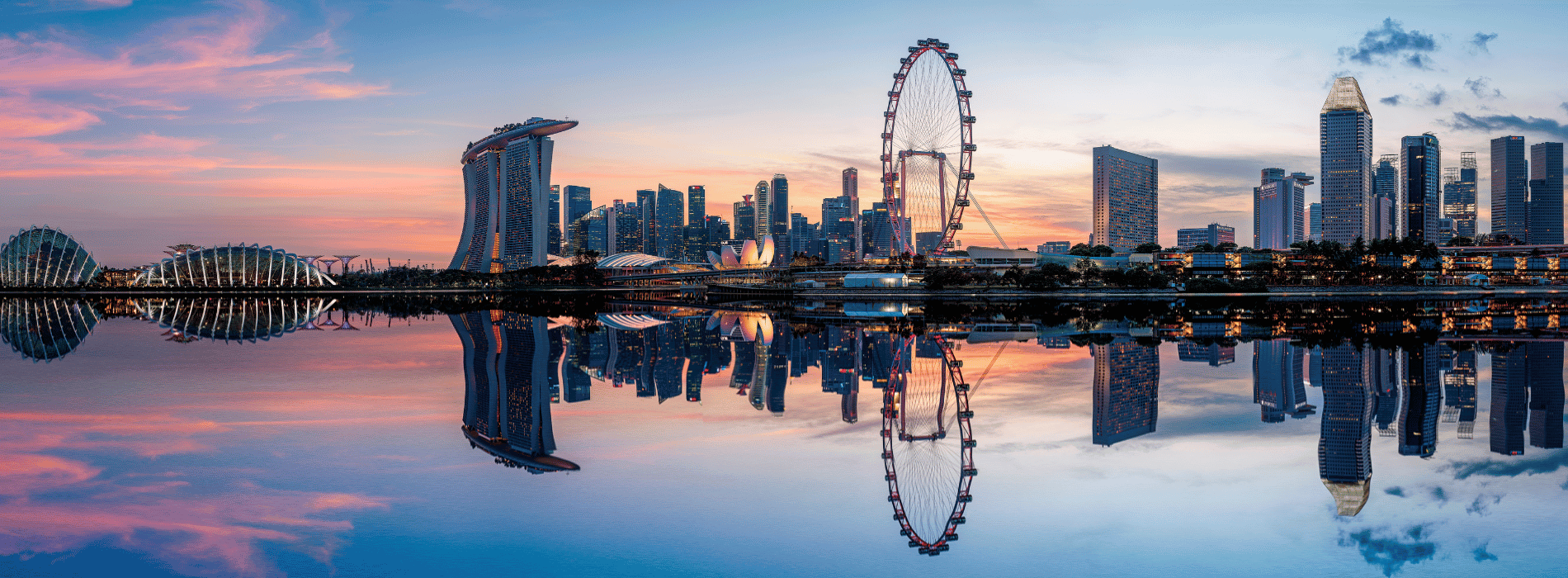
Additionally, this area is also home to Singapore’s most prominent landmarks, such as Marina Bay Sands, Singapore Flyer, Chinatown, Merlion Park, and Gardens by the Bay.
Moreover, Gardens by the Bay is Singapore’s most iconic attraction! Rather than being a traditional urban park, this uniquely designed park spans across 101 hectares and is home to 1.5 million plants from all continents except Antarctica.
Must-See Landmarks of the Central Region
Some must-visit spots around this park area include the SuperTree Grove, Cloud Forest, Flower Dome and OCBC Skyway, which are truly breathtaking to explore in real life and also make some impressive backgrounds for taking those aesthetic Instagram shots!
Furthermore, travelers wanting a more culturally immersive experience can visit Chinatown, a historic neighborhood full of ancient temples, vibrant markets, and traditional eateries, where a few of the very best spots here include the Buddha Tooth Relic Temple and Museum, Maxwell Food Center, Sri Mariamman Temple, Chinatown Heritage Center, and Chinatown Complex Food Center that you can add to your travel list while exploring this stunning neighborhood.
Northern Region
|
Famous For |
Nature reserves and urban parks |
|
Top Attractions |
Mandai Wildlife Reserve, Sungei Buloh Wetland Reserve, and Khatib Bongsu |
|
Languages Spoken |
English, Mandarin, Malay, and Tamil |
Traveling to the northern region of Singapore will truly feel like taking a fresh breath of air! Not only metaphorically but also literally, as you’ll find numerous lush green parks and serene nature reserves (located within and around this region), making any nature lover swoon over these scenic destinations!
The most renowned natural attractions cherished by both the locals and foreigners include Mandai Wildlife Reserve, which includes the Singapore Zoo, Night Safari, River Wonders, Rainforest Wild Adventure, and Bird Paradise.
Experience the Unique Night Safari
Furthermore, the Night Safari has to be an ultimate favorite among these, as this is far from a traditional wildlife reserve but a reserve that operates during the late hours of the night, hence also earning the title of the world’s first nocturnal wildlife park in 1994! Perfect for animal lovers, there are safari trails located here, where you can spot rare animals such as Asiatic lions, three banded armadillos, and Tasmanian devils.
Unmissable Wildlife Adventures
Additionally, another must-see attraction is River Wonders, Asia’s first river-themed wildlife park, where you can see majestic aquatic animals such as Mekong giant catfish, stingrays, and manatees up close and personal just floating through the glass aquariums located here! Made for wildlife enthusiasts and animal lovers alike, the North is surely made of many awe-inspiring experiences!
Southern Region
|
Famous For |
Scenic beaches, historic heritage districts, and island resorts |
|
Top Attractions |
Madame Tussauds Singapore, Trick Eye Museum, and Sentosa Island |
|
Languages Spoken |
English, Mandarin, Malay, and Tamil |
For a scenic yet exciting getaway, explore the southern side, popular for its tranquil beaches, exciting theme parks, and mouthwatering Singaporean cuisine. More suited for younger travelers due to this region being home to renowned destinations such as Sentosa Island, Universal Studios, Singapore Oceanarium (formerly known as S.E.A. Aquarium), Madame Tussauds Singapore, Trick Eye Museum, and Wings of Time Firework Symphony, the south truly offers some of the most legendary and jaw-dropping activities/shows in the world!
Traveling to Sentosa Island
Likewise, Sentosa Island is one of the must-visit spots here, where the best way to get to know the island is to take a cable car from Mount Faber to the island itself. Along this mesmerizing cable car journey, which lasts around 30 minutes, travelers are able to see panoramic views of the majestic views of Mount Faber.
Epic Theme Park Adventures
In a similar fashion, Universal Studios is another top destination here where you can find numerous entertaining activities. Divided into various zones and numerous entertaining shows and thrilling roller coaster rides, tourists are able to get a range of unforgettable experiences that you can find nowhere else in Singapore! If you’re someone who loves fun-filled, adventurous activities, then the southern region is the ideal destination for you to explore!
Eastern Region
|
Famous For |
Historic neighborhoods, rich Peranakan culture, and spectacular restaurants |
|
Top Attractions |
East Coast Park, Joo Chiat Road, Katong Antique House, and Sri Senpaga Vinayagar Temple |
|
Languages Spoken |
English, Mandarin, Malay, and Tamil |
Providing a mix of cultural, adventurous, and culinary travel experiences, the eastern region of Singapore is suitable for all kinds of travelers. This region is known for one of the country’s historical neighborhoods, Katong Joo Chiat, which is centered around Peranakan culture, which is a mixture of Chinese and Malay cultures/traditions and refers to communities belonging to this culture.
Additionally, touring the Katong Joo Chiat neighbourhood is said to be one of the most culturally immersive experiences you can get in Singapore, as there are numerous historic shophouses, traditional eateries, and historic boutiques located within this vibrant neighborhood.
Preserving the Past: Top Historic Stops
Moreover, tourists who find subjects such as history/culture fascinating will definitely have a great time here, as this region is also known for just this, where destinations such as the Katong Antique House, Sri Senpaga Vinayagar Temple, Geylang Serai Market, Eurasian Heritage Gallery, and Kuan Im Tang Temple have long preserved Singapore's rich history and cultural heritage.
Diverse Culinary Experiences
In a similar manner, the region is also a perfect location for food enthusiasts to explore, as there is a range of diverse food cuisines available here, from Chinese, Italian, and Singaporean, and many local restaurants available here cater to these cuisines.
Best Time to Visit Singapore from Nepal
Due to travelers having different preferences for weather and travel activities, the best time for you to visit Singapore is during the dry season, which falls from February to April.
During this three-month time period, Singapore faces chances of less humid weather and low rainfall, offering plenty of sunny days ideal for engaging in various activities ranging from historical and cultural to adventurous.
Likewise, a few of the most popular attractions that are perfect for visiting during this time span include Gardens by the Bay, Sentosa Island, Chinatown, Singapore Zoo, and Singapore Oceanarium (formerly known as S.E.A. Aquarium), where you can visit plenty of iconic landmarks, explore vibrant market areas, stroll around historic museums/neighborhoods, or simply dine at local restaurants and cafes.
Furthermore, as Singapore is a culturally diverse nation where ethnicities such as Chinese, Malay, and Indian have been living here for centuries, there are many festivals celebrated during these months, which are Thaipusam, Chinese New Year, and Lantern Festival, which are widely celebrated all over the country.
Singapore Travel Tips for Nepali Tourists
We’ve also provided a list of essential travel tips you can look into before visiting Singapore.
Local Rules and Strict Regulations
Smoking is prohibited in almost all public spaces, including many workplaces, shopping districts, entertainment outlets, public service vehicles, and urban parks. But there are certain designated smoking zones in certain areas that allow this activity. Likewise, e-vaporizers and e-cigarettes are completely illegal to buy, use, and purchase in the country, so we recommend you not engage in any of these activities.
Additionally, importing gum in Singapore also comes with fines and penalties, but a small amount for self-consumption is generally allowed. Littering and spitting in public places is also considered to be a crime as well. We also suggest you learn more about the local rules and regulations to avoid getting fined during your stay there.
Emergency and Useful Contacts
While Singapore is safe, it is always wise to keep useful contact numbers saved in your phone in case of emergencies.
- Police: 999
- Ambulance and Fire Brigade: 995
- Tourist information and assistance: 1800-736-2000 (Monday-Friday, 9-6)
Download Essential Apps
A few apps that you can download while you’re traveling in Singapore that can help you plan out a smoother and stress-free vacation include:
- Grab: For transportation
- City Mapper: For navigation
- Food Panda: For food deliveries
- My ENV: For weather predictions
Pack for the Tropical Weather
Singapore is one of those destinations that are mostly hot and humid all year round, and to survive the warm and humid weather, you need to pack smartly. Pack lightweight, breathable clothes that are made out of cotton or linen materials, as they feel cool on the skin and also easily soak in moisture.
Furthermore, make sure that you also carry travel essentials like hats/caps, sunglasses, sunscreen, a water bottle, type G power plugs (that work on a 230 voltage supply at a frequency of 50 Hz), insect repellent, and a windbreaker as well, among other things.
Learn About Visa Requirements and Documents
It is essential that you look into the visa requirements and travel documents needed in order to travel to Singapore. While nations like Nepal do enjoy a visa-free policy, citizens from other nations might generally require a visa.
Additionally, Nepali citizens are required to make a Singapore Electronic Arrival Card (needs to be filled out 3 days before their departure date to Singapore), so make sure to look into this subject matter and also ensure that your passport has 6 months of validity as well.
Frequently Asked Questions (FAQs)
What is the visa procedure and documents required as a Nepali citizen to travel to Singapore?
Nepali tourists are able to travel to Singapore on a visa free policy (for 30 days), and for this, travelers just have their original passport with a validity of more than 6 months. Additionally, visitors need to make a Singapore Electronic Arrival Card, which can be done 3 days before their arrival date to this nation.
To get the arrival card, you will need to provide details like your arrival/departure dates, accommodation, contact number, purpose of travel, health declaration, and passport information to complete this process.
Note: The regulation might change over time; please visit the official website for updated information.
Is there a fee for the Singapore Electronic Arrival Card (SEAC)?
No, there isn’t any fee required for the Singapore Electronic Arrival Card (SEAC).
What are a few international airports in Singapore and Nepal?
For this, please refer to the table down below:
|
Airports in Nepal |
Airport in Singapore |
|
Tribhuvan International Airport (Kathmandu) |
Changi Airport (Singapore) |
Which airlines operate flights between Singapore and Nepal?
A few common airlines that operate flights between Nepal and Singapore include Singapore Airlines (direct), Thai Airways, and Air India (connecting).
What kind of accommodations are provided in Singapore for tourists?
Singapore offers a range of accommodations listed down below:
- Affordable range: Pod/capsule hostels
- Mid range: 3 to 4 international chain hotels
- Luxury range: 5 star premium hotels
What is the currency of Singapore and what are the accepted payment methods?
The official currency of Singapore is the Singapore dollar, and for payments, this nation uses a mix of cash and credit cards. Cash is usually preferred in many local restaurants, street markets, and rural areas, whereas major credit cards (like Visa and Mastercard) can be used in many hotels, shopping malls, and larger establishments.
Do I need any vaccinations or medical certificates while traveling to Singapore from Nepal?
No, vaccinations or medical certificates (as of July 2026) are required while traveling to Singapore from Nepal. We also advise you to stay updated on this matter, as this requirement may be subject to change later in the future.
Is travel insurance a mandatory requirement for Nepali tourists visiting Singapore?
No, travel insurance is not mandatory for Nepali tourists visiting Singapore (as of July 2026). However, it is recommended to have one before traveling as this helps to cover medical emergencies and hospital stays in case of accidents, hospital expenses, and unforeseen circumstances during your holiday.