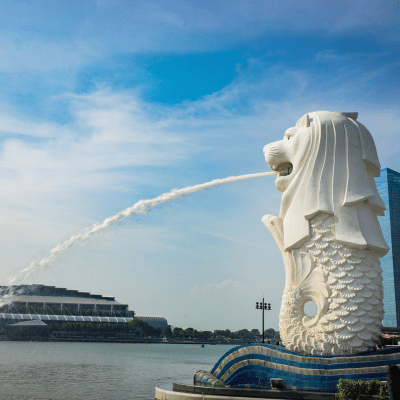
 Singapore
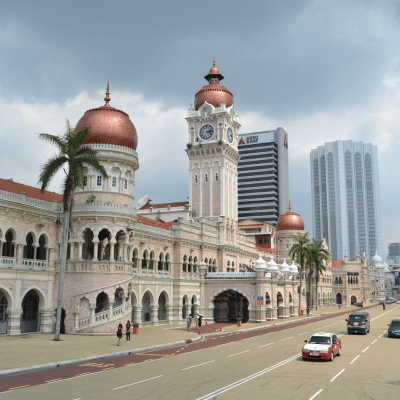 Malaysia
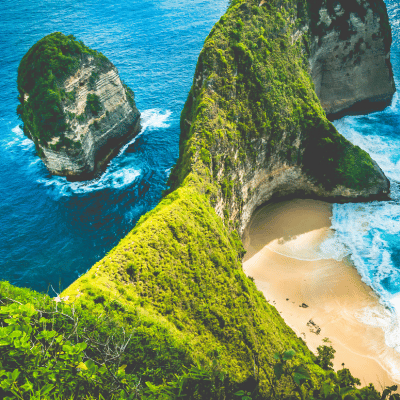 Indonesia
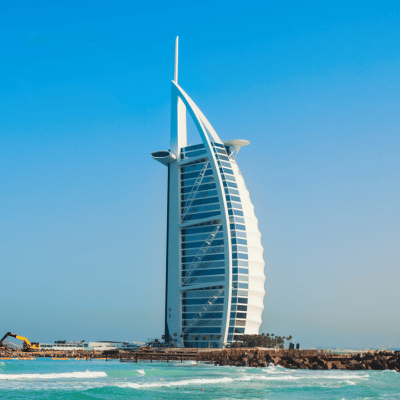 Dubai
Dubai
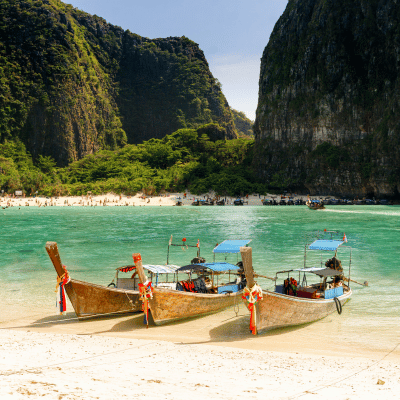 Thailand
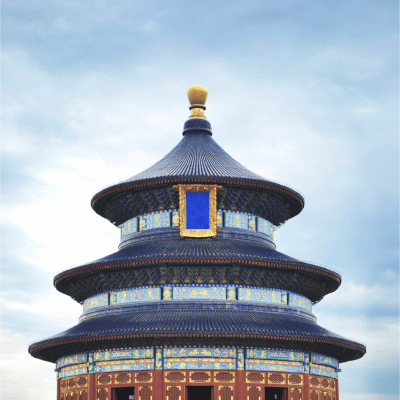 China
China
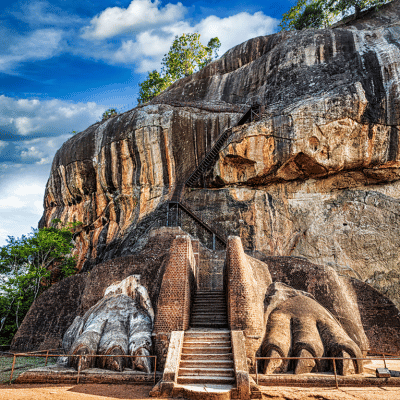 Sri Lanka
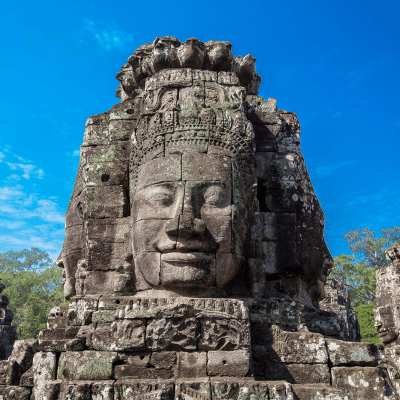 Cambodia
 Azerbaijan
 Vietnam
 Turkey
 Japan
Japan
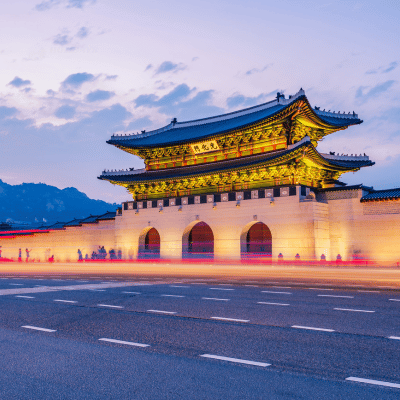 Korea
Korea
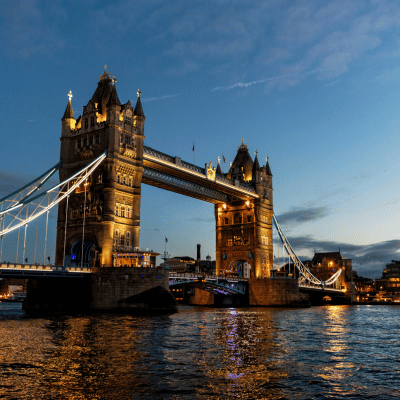 Europe
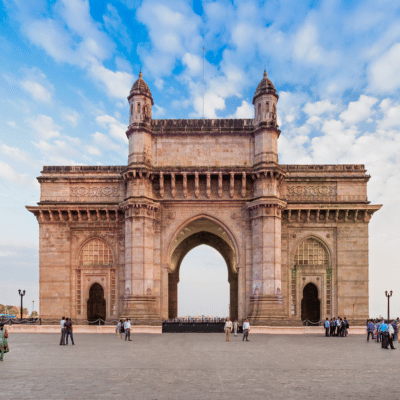 India
India
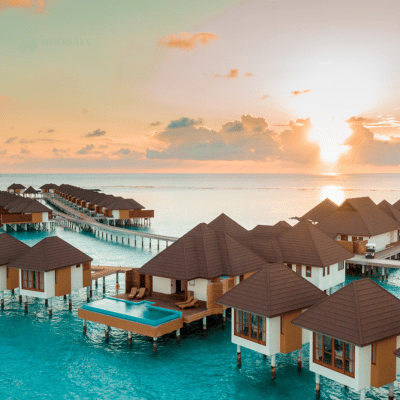 Maldives
 Georgia
 Philippines
 Africa
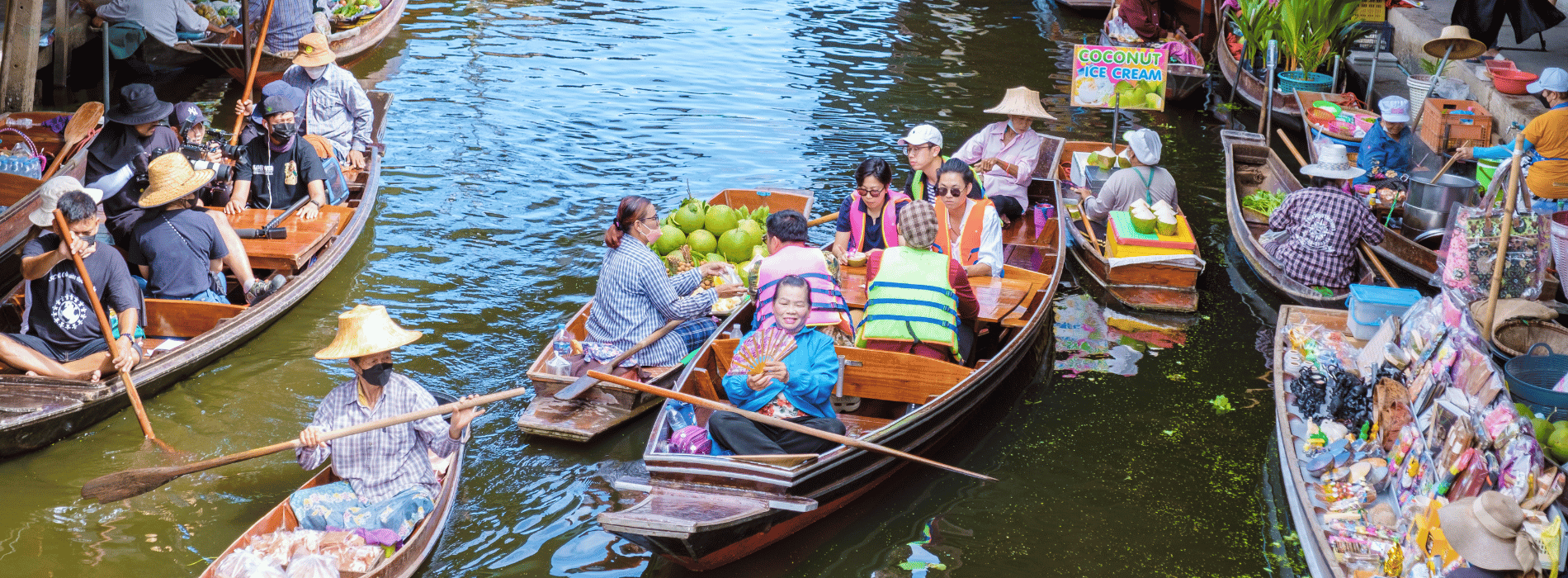
There’s just something about Vietnam. Nicknamed the “Land of the Blue Dragon” and "Land of the Ascending Dragon", it’s a nation that has millions of travelers wrapped around its fingers. A few reasons as to why Nepali tourists gravitate especially to this specific destination are its vibrant islands, spectacular food items, friendly locals, bustling city streets, and ancient landmarks.
Geographically, Vietnam is situated in Southeast Asia and consists of 3 main regions, which are the North, South, and Central. In terms of administration, this nation is divided into
34 provincial-level units, 28 provinces and 6 municipalities, with Hanoi functioning as the capital city.
Popular tourist destinations here, like Hanoi, Nha Trang, Da Nang, Ho Chi Minh, and Ninh Binh, have been on the bucket lists of millions of Nepali tourists, as they offer a wide array of historical, adventurous, and cultural attractions, making this country one of Asia’s most versatile vacation destinations, able to satisfy just about any traveler’s tastes and preferences.
Cities like Hue, Hanoi, Hoi An, and Ho Chi Minh City especially cater to these things, as they feature many temples, museums, monasteries, and markets that have captured the hearts of many Nepali visitors.
Stepping into these cities feels less like a typical vacation and more like a journey through time, where travelers are welcomed by friendly locals, ancient heritage, and a captivating atmosphere.
Country Profile
|
Capital |
Hanoi |
|
Official Name |
Socialist Republic of Vietnam |
|
Total Land Area |
~ 3,31,690 km² |
|
Nickname |
Land of the Blue Dragon, Land of the Ascending Dragon |
|
Official Language |
Vietnamese |
|
Major Cities |
Hanoi, Ho Chi Minh, Da Nang, and Ninh Binh |
|
Currency |
Vietnamese Dong (VND) |
|
Time zone |
ICT (Indochina time), UTC+7 |
|
Time difference |
1 hour and 15 minutes ahead of Nepal |
|
Climate |
Tropical climate and temperate climate zones |
|
Popular for |
Historical landmarks, picturesque islands, tropical beaches, and bustling street markets |
|
Famous foods |
Nem ran (fried spring rolls), cao lau (stir-fried noodles, majorly pork-based), and banh mi (stuffed sandwiches) |
|
Transportation |
Motorcycles, buses, taxis, and trains |
Why Visit Vietnam From Nepal?
Vietnam is quickly becoming an ultimate getaway destination for many Nepali travelers. This nation boasts an array of scenic landscapes from white sandy beaches to majestic limestone mountains, lush-green valleys, and pristine waterfalls! Here are a few reasons why this nation belongs at the top of your travel list this year:
Simplified E-visa Policy
Nepali travelers are required to apply for an E-visa before traveling to Vietnam. The process of applying for this visa is simple to understand and pretty straightforward. The entire process can be completely done online through the official E-visa website and requires no embassy visits, physical appointments, or in-person interviews.
Visa Information:
|
Visa Type |
Validity |
Processing Time |
Type of Entry |
|
Vietnam E-Visa |
90 Days |
7-10 Days |
Single Entry |
For this, travelers need to fulfill certain visa requirements and submit all the necessary travel documents listed down below:
- Scanned copy of your passport (with a minimum of 6 months of validity).
- 1 MRP sized scanned photo with a white background (please note that white shirts on white background are not acceptable).
Note: If you need any assistance with your visa application, please reach out to us, as our team can guide you through the entire process. Additionally, Nepali citizens traveling to Vietnam must also complete the Vietnam digital arrival card (VDAC) application atleast 72 hours before arrival.
Diverse Sightseeing Attractions
Promising an array of diverse sightseeing destinations, Vietnam is perfectly suitable for Nepali tourists with varied tastes and preferences. We’ve also prepared a table for you down below, where you can find the destination that matches your travel needs.
|
If You’re Looking For |
Your Perfect Match |
|
World class beaches, cruise adventure, limestone peaks, and hidden caves |
Ha Long Bay |
|
Historical landmarks, vibrant city atmosphere and bustling markets |
Hanoi and Ho Chi Minh |
|
Tranquil river cruises |
Mekong Delta |
|
Modern architecture, stunning coastline and adventurous activities |
Da Nang |
|
Limestone karsts, rice paddies, scenic boat trips and bike rides |
Ninh Binh |
|
Vibrant green rice terraces and hill tribe culture |
Sa Pa |
|
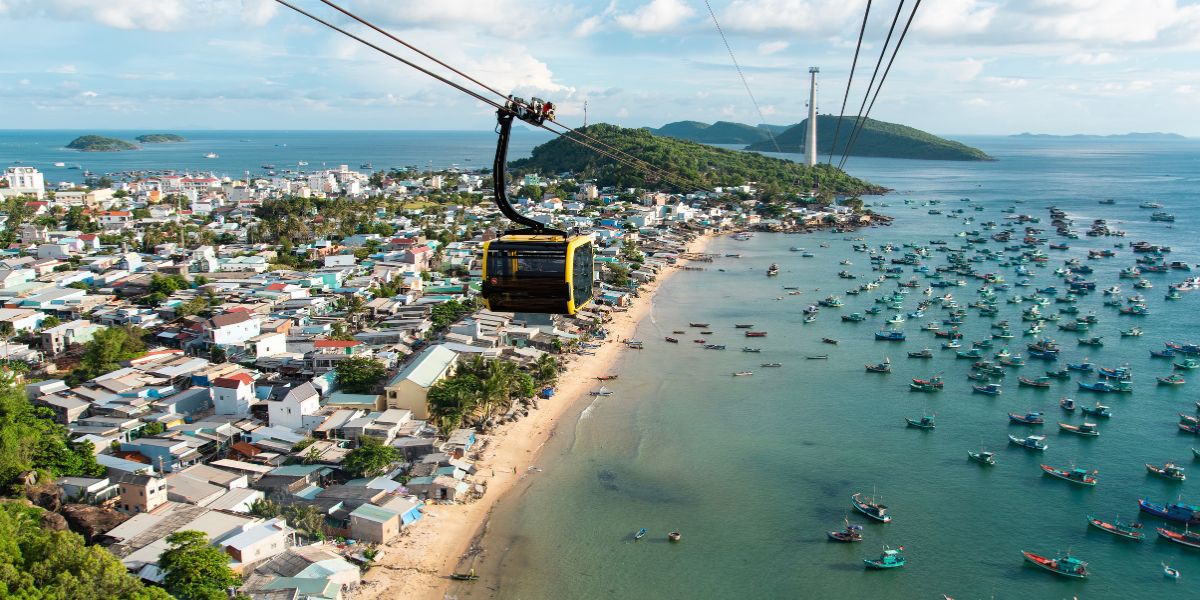
Beaches, islands and water sport activities |
Phu Quoc |
|
Refreshing mountain atmosphere and pristine waterfalls |
Da Lat |
Note: If you’re traveling to only Phu Quoc with both the entry and exit point being this city, then no visa is required for up to 30 days. Also, take into consideration that this visa exemption only applies to Phu Quoc and no other cities in Vietnam.
Rich History and Cultural Legacy
For Nepali visitors interested in history, art, and culture, Vietnam can prove to be a great destination, as it features many ancient temples, artistic museums, colorful neighborhoods, and bustling markets.
Sites like Hoi An Ancient Town, Hanoi, Ho Chi Minh City, and Ninh Binh are destinations that you should look at as they cater to these specific travel interests. From the glowing lantern streets of Hoi An Town to the historic Cu Chi tunnels, this nation features many culturally rich destinations that will absolutely leave you spellbound!
Great Shopping Adventures
Nepali shoppers will find Vietnam a true paradise to explore, as it has many vibrant shopping malls, vintage inspired thrift stores, and local shops. A few local specialties that tourists generally purchase here are coffee beans, dried fruits, silk scarves, lanterns, tote bags, and loose leaf tea.
While shopping, keep in mind that 100 NPR (Nepalese Rupee) is equal to approximately 17000-18000 VND (Vietnamese Dong). So, if a souvenir costs around 200000 VD, it typically costs somewhere around 1100-1180 NPR. (Note: The exchange rate might change; please verify before confirming.)
While shopping around touristic centric areas, be aware of scams and don’t wander off alone. Also, make sure to keep all your essential belongings, like your purse, phone, and documents, in a sturdy bag with a strong chain.
Spectacular Cuisines
Vietnamese food is suitable for the Nepali palate, as it combines a range of flavors like salty, spicy, tangy, and sweet. Unlike Nepali food that relies heavily on dried spices, Vietnamese cuisine achieves its bold and aromatic flavors by using various ingredients like red chilies, garlic, fish sauce, soy sauce, and tamarind.
To get the best food experiences, a few dishes that you can try in this nation include nem ran (fried spring rolls), bun cha (grilled pork and noodles), and banh mi (Vietnamese sandwich).
Major Tourist Destination of Vietnam
Now, let’s learn Vietnam’s top destinations that you can learn about before visiting this popular nation.
Hanoi - Top Attractions and Local Culture
|
Famous For |
French colonial architecture, street food, historical temples, and scenic lakes |
|
Top Attractions |
Old Quarter, Temple of Literature, Hoan Kiem Lake, and Tran Quoc Pagoda |
|
Languages Spoken |
Vietnamese and English (in tourist centric areas) |
|
Ideal Stay |
2-3 days |
Inviting millions of travelers from all across the world, Hanoi has been functioning as unified Vietnam’s capital city since 1976. Popular for its French colonial architecture, rich historical legacy, bustling streets, and trendy cafes, this city is located in the northern region.
Discover Hanoi’s Historic Past
The Old Quarter is this city’s most historic area, as it is home to a number of ancient landmarks, lively cafes, and mouthwatering street food.
Tour renowned sites (located in and around the old quarter) like Hoan Kiem Lake, Ta Hien Street, St. Joseph’s Cathedral, and Dong Xuan Market, where you’ll be able to engage in a number of diverse sightseeing activities.
Exploring this area will feel as if you’ve traveled back in time, as there are a ton of traditional streets, courtyards, and street markets that have also helped to preserve its rich past and colonial charm.
Cafe Hopping and Amazing Street Food
For younger Nepalis, who love cafe hopping, Hanoi can be a great escape for you! You’ve probably heard of the famous egg coffee, right?
Unlike traditional coffee, this type mixes egg yolks with sweet condensed milk that is later poured over deep rich coffee. Said to taste extremely like liquid tiramisu, if you ever wanted to taste this unique beverage, then the Old Quarter area is a place you should definitely visit, as there are a ton of cafes that offer it.
For the best food experiences in Hanoi, here are a few of this city’s most beloved food cuisines that you can try - bun dau (crispy fried tofu with rice noodles), cha ca (fried fish), bun thang (rice noodles soup), banh xeo (stuffed savory pancakes), and banh cuon (steamed rice rolls).
Gain Cultural Insights
To fully immerse yourself in this city’s rich cultural heritage, you can explore historic destinations such as Hoan Kiem Lake, the Temple of Literature (Vietnam’s first university), the Ho Chi Minh Mausoleum, and the Imperial Citadel of Thang Long, which will provide you insights into Vietnam's deep-rooted history.
Shop Till You Drop
On the other hand, if you’re someone who loves exploring markets, then there are a ton of bustling markets here, such as Hanoi Weekend Night Market and Hom, where you can shop for a range of traditional Vietnamese products that you can buy and gift to your loved ones back home!
Da Nang: Top Attractions and Local Culture
|
Famous For |
Unique modern bridges, cultural landmarks, and crystal clear beaches |
|
Top Attractions |
Sun World Ba Na Hills, My Khe Beach, Marble Mountains, Dragon Bridge, and Non Nuoc Beach |
|
Languages Spoken |
Vietnamese and English (in tourist centric areas) |
|
Ideal Stay |
2-3 Days |
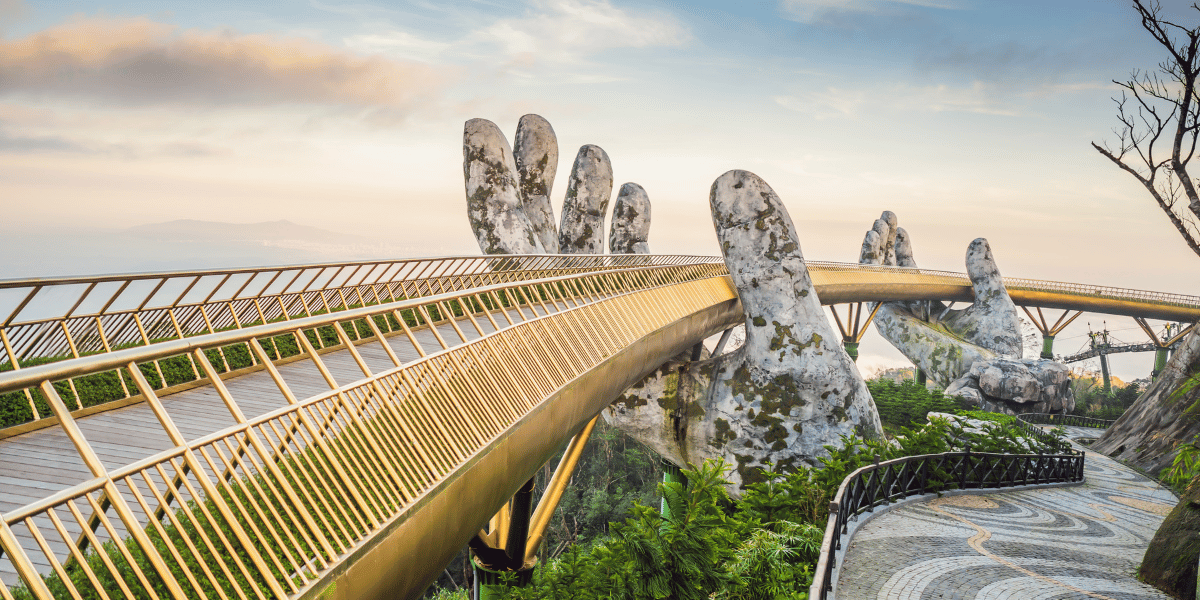
Chances are you’ve probably seen the floating “Golden Bridge” on Instagram, right? Or what about the epic 67 meter white colored statue of “Quan Am” (also known as Lady Buddha), set against the lush green Son Tra Peninsula? If not, then we strongly urge you to look at these popular landmarks on your phone, as they are that famous!
Situated in the central region along the coast of the South China Sea, Da Nang is known for its glistening beaches, epic theme parks, and vibrant markets.
Chase the Clouds at Sun World Ba Na Hills
The Sun World Ba Na Hills, home to the Golden Bridge, is a massive theme park and mountain top resort beloved by many adventure lovers. Made popular by many social media platforms like Instagram, this approximately 150 meter bridge looks like it’s literally floating in the air!
From the bridge itself, you can get a panoramic view of Da Nang city and nearby mountains/valleys. Other points of interest in this city include the French Village, Fantasy Park, and Le Jardin D’Amour.
Descend Into the Underworld at Am Phu Cave
Another unique site is the Am Phu Cave (also known as the Hell Cave), which is certainly an intriguing name for a cave, right? Nestled within the Marble Mountains, this cave was created to be a symbolic representation of the Buddhist version of hell.
While touring this destination, you can see many caves and chambers that depict concepts of hell and heaven and even showcase statues that illustrate consequences for various sins in the afterlife that truly give this cave an eerie and mysterious look. After taking a stroll on this site, you’ll truly feel like you’ve been transported to another dimension!
Savor Da Nang’s Local Cuisines
Being a coastal city, Da Nang offers a variety of seafood cuisines. Unlike most dishes found in the southern part of Vietnam, which are said to taste sweet, this side of the nation features food items said to taste more spicy.
A few local dishes that you can try here include nem lui (pork skewers), goi ga (Vietnamese chicken salad), mi quang (noodle soup), and banh xeo (crispy pancakes).
Ha Long Bay: Main Highlights and Attractions
|
Famous For |
Limestone karst islands, hidden caves/lagoons, emerald green waters, and adventurous water sport activities |
|
Top Attractions |
Ti Top Island, Luon Cave, Sung Sot Cave, Cat Ba Island, and Fighting Cock Islets |
|
Languages Spoken |
Vietnamese and English (by cruise tour operators and guides) |
|
Ideal Stay |
1-2 days |
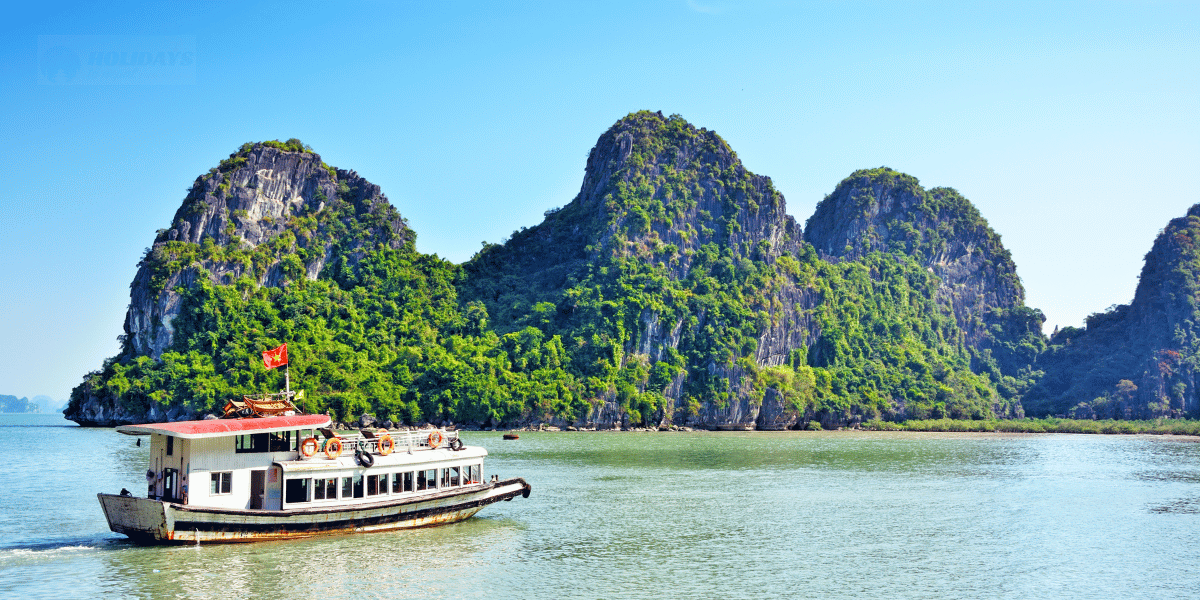
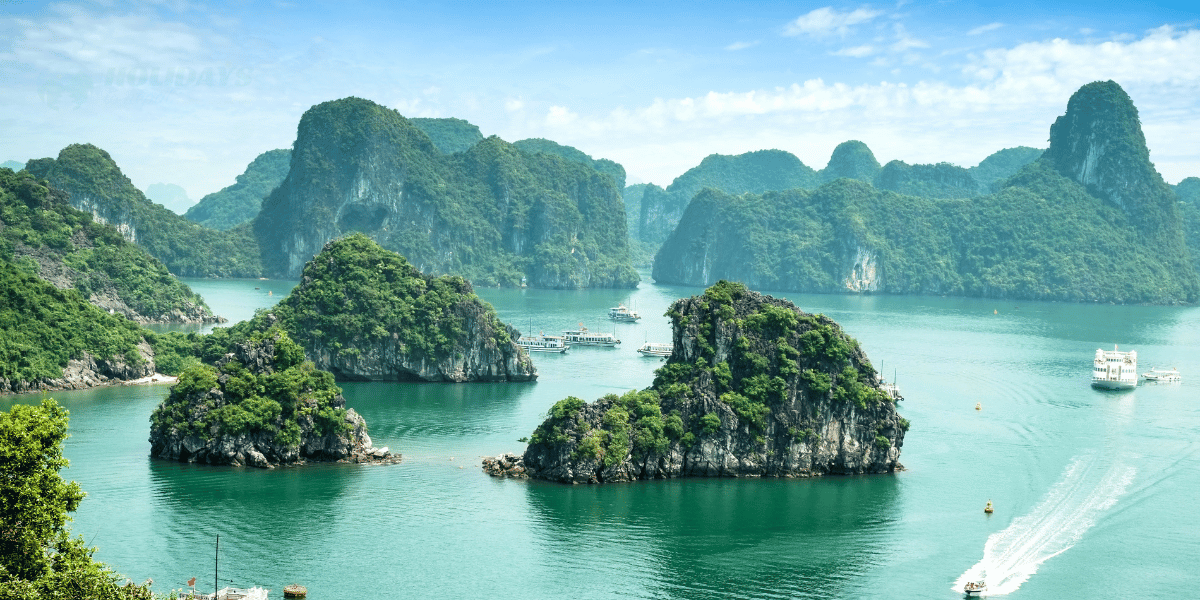
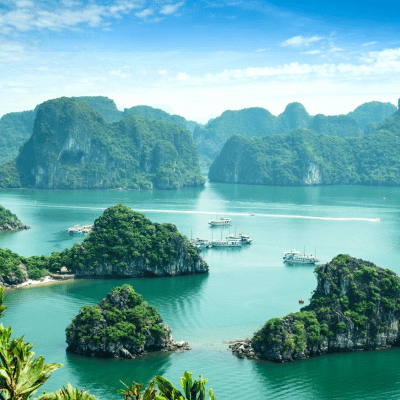
Ha Long Bay is the one spot in Vietnam that all Nepali travelers must explore. Home to the most picturesque karst limestone islands, mesmerizing beaches, and stunning caves, this attraction is definitely one of the nation’s most cherished attractions.
Cruising the Bay’s Most Iconic Spots
Declared a UNESCO World Heritage Site in 1994, this attraction is explored through a cruise, and a few of the bay’s most popular attractions include Sung Sot Cave (suprise cave), islands like Ti Top, Cat Ba, and Tuan Chau, and Fighting Cock islets.
Top Caves in Ha Long Bay
Sung Sot Cave, which is the largest cave here, is known for its display of stalagmites and stalactites (unique rock formations) that hang from the ceilings of the cave and make it look like a film set from Jurassic Park!
Likewise, a few other caves that are worth exploring here are Dau Go and Thien Cung, which all make the perfect backdrop for taking those Instagram-worthy photos and videos.
Ti Top Island and Water Sport Activities
Another prominent attraction is Ti Top Island, which features a scenic beach area where you can go swimming and soak in the beautiful atmosphere of this destination. If you’re someone who loves water sport activities like kayaking and paddleboarding, then Ha Long Bay would prove to be a rewarding place for you to visit as well.
Ho Chi Minh City: Top Attractions and Local Culture
|
Famous For |
Historical landmarks, street food, coffee culture, museums, and colonial architecture |
|
Top Attractions |
Cu Chi Tunnels, War Remnant Museum, Ben Thanh Market, Saigon Central Post Office, and Cho Lon (Chinatown) |
|
Languages Spoken |
Vietnamese and English (in major tourist centers) |
|
Ideal Stay |
1-2 days |
Formerly known as Saigon, Ho Chi Minh City is located in the southern part of Vietnam and is recognized for its towering skyscrapers, ancient landmarks, and century old colonial buildings.
Top Destinations for History Buffs
Suited best for Nepali visitors who appreciate art, history, and culture, this destination is home to many ancient landmarks, where the most notable ones include the historic Independence Palace, Museum of Ho Chi Minh City, and Cu Chi Tunnels.
The Museum of Ho Chi Minh features various grand staircases, elegant corridors and lush green gardens, making it a top destination for photographers. Additionally, there are also a ton of historical artifacts that one can take a look at here as well.
Discover the Historic Cu Chi Tunnels
Explore the Cu Chi tunnels, which served as a strategic base for the Viet Cong (a communist guerrilla fighting force) during the Vietnam War.
Being a place of safety for many soldiers, the tunnels consisted of many living quarters, kitchens, supply routes, and communication areas.
Visiting the tunnels will definitely take you back in time, as you can see how the soldiers lived in brutal conditions.
A Paradise for Shopping Lovers
Due to Ho Chi Minh’s vibrant atmosphere, you’ll never get bored while traveling in and around this city. With numerous vibrant markets such as Ben Thanh and Binh Tay and bustling streets like Nguyen Hue and Bui Vien, you can definitely see this city’s energetic atmosphere best reflected in these destinations.
Savor the Flavors of the South
Home to many street food stalls, Ho Chi Minh offers a wide variety of food options for Nepali visitors. The local cuisine uses fresh herbs and flavorful broths, leading to the ultimate explosion of savory, sweet, and tangy flavors in every single bite.
A few of the top foods here include pho ga (chicken noodle soup), banh mi chay (Vietnamese baguette), com ga nuong (rice with grilled chicken), and banh khot (savory pancakes).
Ninh-Binh: Top Attractions and Must See Landmarks
|
Famous For |
Lush green rice paddies, scenic rivers, ancient pagodas, and nature reserves |
|
Top Attractions |
Trang An Landscape Complex, Hang Mua Viewpoint, and Bai Dinh Pagoda |
|
Languages Spoken |
Vietnamese and English (in major tourist centers) |
|
Ideal Stay |
1-2 days |
Being a dream destination for many Nepali travelers, Ninh Binh is a flourishing province located in the northern region of Vietnam. Home to scenic karst mountains, lush green forests, and scenic rivers, this destination has also been compared to Halong Bay, as it shares similar landscape features to the bay area.
Explore Legendary Heritage Sites
Rich in history and culture, this destination features many landmarks like Trang An Landscape Complex, Hoa Lu Ancient Capital, Phat Diem Cathedral, Thai Vi Temple, and Bai Dinh Pagoda.
Cruise Through the Trang An Complex
The Trang An complex, a UNESCO World Heritage Site, is an unmissable spot for nature enthusiasts, as it features an array of beautiful limestone mountains, serene rice fields, and breathtaking caves.
To experience the beauty of this nature complex, you can take a boat ride here, where you can see many enchanting caves like Sang, Toi, and Ba Giot, which feature a ton of unique-looking stalagmites and stalactites.
Conquer the Epic Hang Mua Viewpoint
Likewise, Hang Mua Viewpoint is a breathtaking viewpoint in Ninh Binh. Also called the “Miniature Great Wall of China,” from the summit, you’re able to get panoramic views of lush green valleys, rivers, rice paddies, and karst peaks.
Go on a scenic boat ride in the Tam Coc River
For those seeking the ultimate escape into nature, the Tam Coc boat tour is a must do activity. Along this scenic journey, you’ll get to witness ancient caves, which are surrounded by dramatic karst cliffs.
Best Time to Visit Vietnam
Before visiting Vietnam, it’s crucial for you to know the most optimal months to visit this nation. Because of this nation’s unique elongated shape, it is divided into three distinct regions, which consist of many popular cities and towns. We suggest you have a look before at this section, as we’ve mapped out the most optimal months to explore each specific area.
- Northern Region (Hanoi, Sapa, Ha Giang, and Halong Bay): If you’re planning to visit the north, then plan your travel days from March to April (spring) and September to November (autumn), as this time period brings pleasant weather, moderate temperatures, and clear skies.
- Southern Region (Ho Chi Minh, My Tho, Phu Quoc, Ca Mau, and the Mekong Delta): The southern area is hot and humid all year round, but the months from November to April mark the beginning of the dry season. These months are best for you to explore all the destinations listed above due to the sunny climate with minimal rainfall, ideal for various sightseeing activities and tours.
- Central Region: The central region features two main regions, the coastal lowlands and high altitude mountain areas.
- Central Coast (Da Nang and Hoi An): The central coast is best visited during February to May due to favorable weather conditions. With plenty of sunshine, low levels of humidity, and comfortable temperatures, this time period is ideal for activities like going on hikes, temple exploration and city tours.
- Central Highlands (Da Lat, Buon Ma Thuot, Kon Tum, and Pleiku): Similarly, the central highlands are suitable to explore from the months of November to March due to the crisp and calm weather. Due to pleasant conditions, one can enjoy a range of outdoor activities during this time.
Vietnam Travel Tips for Nepali Tourists
We’ve also provided a list of essential travel tips you can look into before visiting Vietnam.
Prepare Your Travel Essentials
Before traveling to Vietnam, look into the visa requirements and travel documents needed for you to visit this nation.
Additionally, also look into the type of currency required, air travel/hotel categories available, general rules and regulations that are followed, and the culture and languages spoken in the country.
Researching topics such as these will teach you about the things you need to prepare in advance, leading to much smoother and hassle-free travel days.
Payments and Spending Guidance
As each traveler has their own spending habits that depend upon various factors while traveling, in a general sense, it is advised to take around 500-1000 USD (or more depending on your travel needs) in Vietnam for a week. This budget allows you to pay for expenses such as additional flights/sightseeing, dining, shopping and any other miscellaneous travel costs.
For payment options, this nation uses both cash and credit cards (Visa and Mastercard), so it is recommended to carry a mix of cash and cards while traveling.
Likewise, cash is generally preferred in many local restaurants, small souvenir shops, street markets, and rural areas, where having 500000 - 1000000 VND is ideal for most purchases, whereas credit cards can be used in many hotels, shopping malls, and larger establishments.
Hotel Categories and Expectations
In terms of accommodations, we provide our clients with reputable hotels starting from a 3-star basis.
To ensure full transparency, you will receive all the details of your booking beforehand, like the name of the hotel and number of rooms along with the total cost.
We advise you to do your own research after you’ve received all the hotel information, as hotel standards in Vietnam may differ from Nepal, and likewise, the type of amenities, room size, and service levels may also change across different states, cities, and towns in Vietnam.
While 3 star hotels in Vietnam are known for their reliable quality, services, and hospitality levels, please take into consideration that these factors also highly depend upon the city and location.
So, for a reliable and stress free experience, upgrading to a well established and reputable hotel is also recommended, as we also provide options ranging from 4 to 5 stars that you can upgrade to.
Although we do try to provide our clients with excellent accommodation options, it’s equally important for you to properly do your research and consult with us before finalizing hotels.
Learn a Few Basic Vietnamese Phrases
Though English is spoken in some areas of Vietnam, a majority of people in both urban and rural areas still speak Vietnamese.
Before your travel days, in your free time, you can also learn to speak a few Vietnamese words and phrases. Here are a few common words and phrases used by tourists and locals:
- Xin Chao: Hello
- Cam On: Thank you
- Da/Khong: Yes/no
- Xin Loi: Excuse me
- Cho Toi: Please give me…
- Bao Nhieu: How much?
- Nha Ve Sinh O Dau?: Where is the restroom?
Learning simple conversational phrases like these will help you communicate and even impress a few locals during your travel days in Vietnam for sure!
Prioritize Your Health and Safety
Before traveling to Vietnam, make sure to get all the necessary health checkups so you don’t fall sick on your trip.
Also, get all the needed vaccinations recommended by your doctor and carry all the medications that you use regularly on your trip as well. Additionally, drink plenty of water during your traveling days and eat a well-balanced diet so you can stay healthy and energized through your trip.
We also advise you to not drink tap water and opt for bottled water to prevent yourself from getting sick.
Download Essential Apps
A few of the most popular apps that you can download while traveling in Vietnam include Grab (for transportation), Zalo (for communication), Agoda/Hostelworld (for hotel bookings), and Google Translate (for translation).
Learn to Appreciate the Local Life
One of the best ways that you can get the best out of your trip to Vietnam is by appreciating the local way of life. For this, you can learn a few words and phrases to communicate with the locals, understand the basic cultural norms/etiquette followed in the culture, visit the historic destinations, and try the local cuisines.
Frequently Asked Questions (FAQs)
What is the visa procedure and documents required as a Nepali citizen to travel to Vietnam?
Nepali travelers are required to have an E-visa before traveling to Vietnam. For this, travelers need to fulfill certain visa requirements and submit all the necessary travel documents listed down below:
- Scanned copy of your passport (with a minimum of 6 months of validity).
- 1 MRP sized scanned photo with a white background (please note that white shirts on a white background are not acceptable).
Note: If you need any assistance with your visa application, please reach out to us, as our team can guide you through the entire process. Additionally, Nepali citizens traveling to Vietnam must also complete the Vietnam digital arrival card (VDAC) application atleast 72 hours before arrival.
Is there a fee for the Vietnam Digital Arrival Card (VDAC)?
No, the Vietnam Digital Arrival Card (VDAC) is completely free of cost.
What are a few international airports in Vietnam and Nepal?
For this, please refer to the table down below:
|
Airports in Nepal |
Airports in Vietnam |
|
Tribhuvan International Airport (Kathmandu) |
Noi Bai International Airport (Hanoi) |
|
Tan Son Nhat International Airport (Ho Chi Minh City) |
|
|
Da Nang International Airport (Da Nang) |
Which airlines operate flights between Vietnam and Nepal?
A few common airlines that operate flights between Nepal and Vietnam include Thai Airways, Air India, and Singapore Airlines.
What kind of accommodations are provided in Vietnam for tourists?
Vietnam offers a range of accommodations listed down below:
- Affordable range: Hostels, family run guesthouses, and budget hotels
- Mid range: 3 to 4 star hotels, Airbnbs, and eco friendly lodges
- Luxury range: 5 star luxury hotels, beachfront resorts, and private villas
What is the currency of Vietnam and what are the accepted payment methods?
The official currency of Vietnam is the Vietnamese dong, and for payments, this nation uses a mix of cash and credit cards.
Cash is usually preferred in many local restaurants, street markets, and rural areas, whereas major credit cards (like Visa and Mastercard) can be used in many hotels, shopping malls and larger establishments.
Do I need any vaccinations or medical certificates while traveling to Vietnam from Nepal?
No, vaccinations or medical certificates (as of July 2026) are not required while traveling to Vietnam from Nepal. We also advise you to stay updated on this matter, as this requirement may be subject to change later in the future.
Is travel insurance a mandatory requirement for Nepali tourists visiting Vietnam?
No, travel insurance is not mandatory for Nepali tourists visiting Vietnam (as of July 2026). However, it is recommended to have one before traveling, as this helps to cover medical emergencies and hospital stays in case of accidents, hospital expenses, and unforeseen circumstances during your holiday.