 Singapore
 Malaysia
 Indonesia
 Dubai
Dubai
 Thailand
 China
China
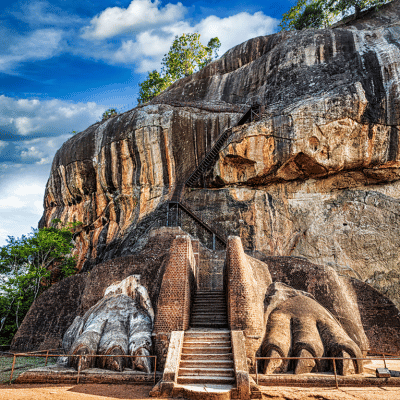 Sri Lanka
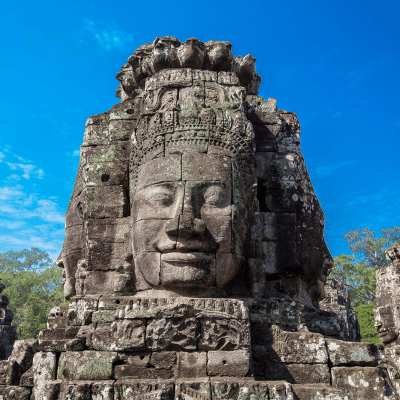 Cambodia
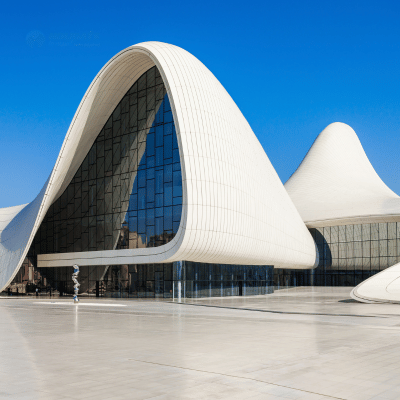 Azerbaijan
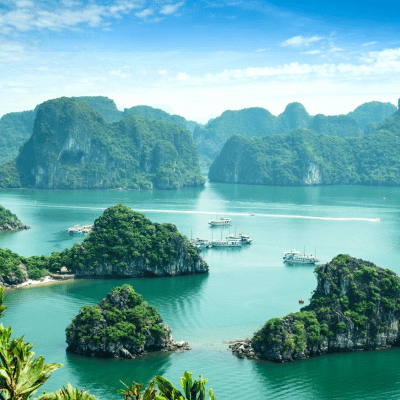 Vietnam
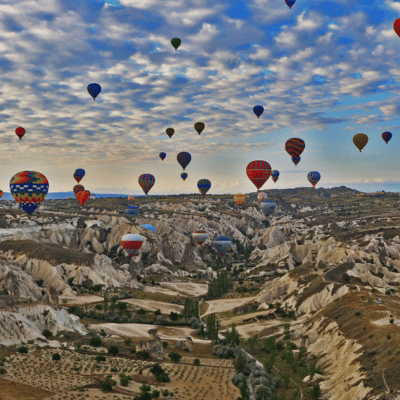 Turkey
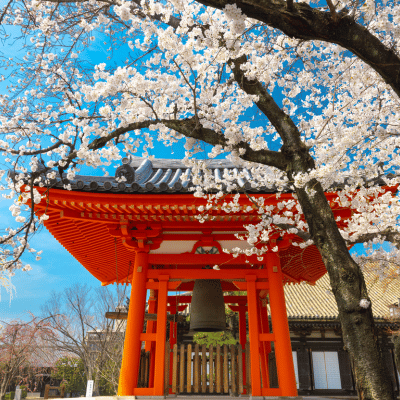 Japan
Japan
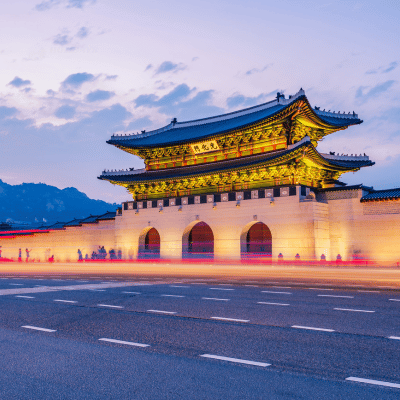 Korea
Korea
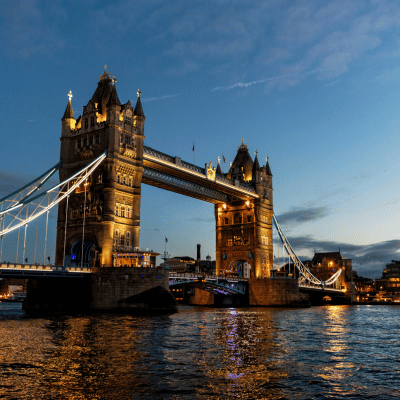 Europe
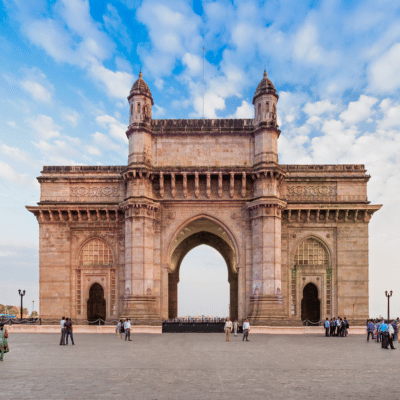 India
India
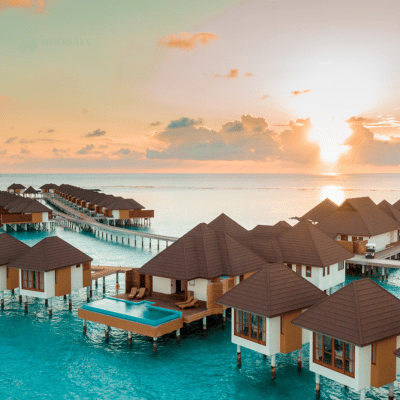 Maldives
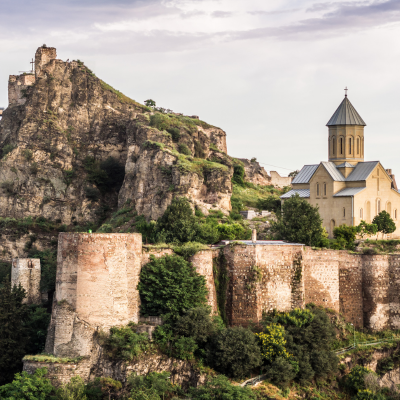 Georgia
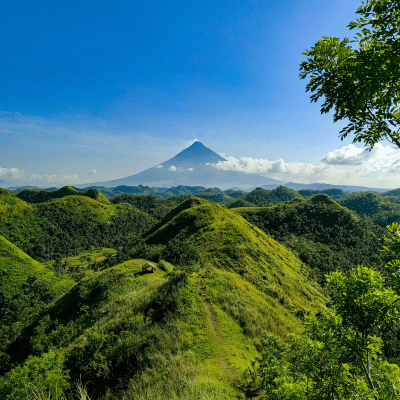 Philippines
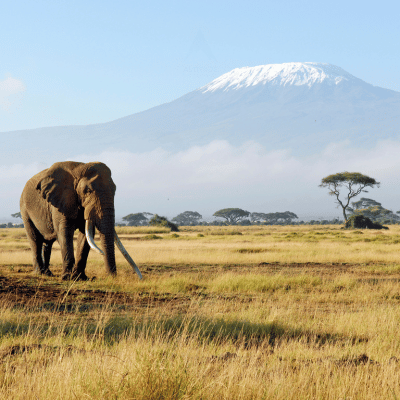 Africa
 Central Asia
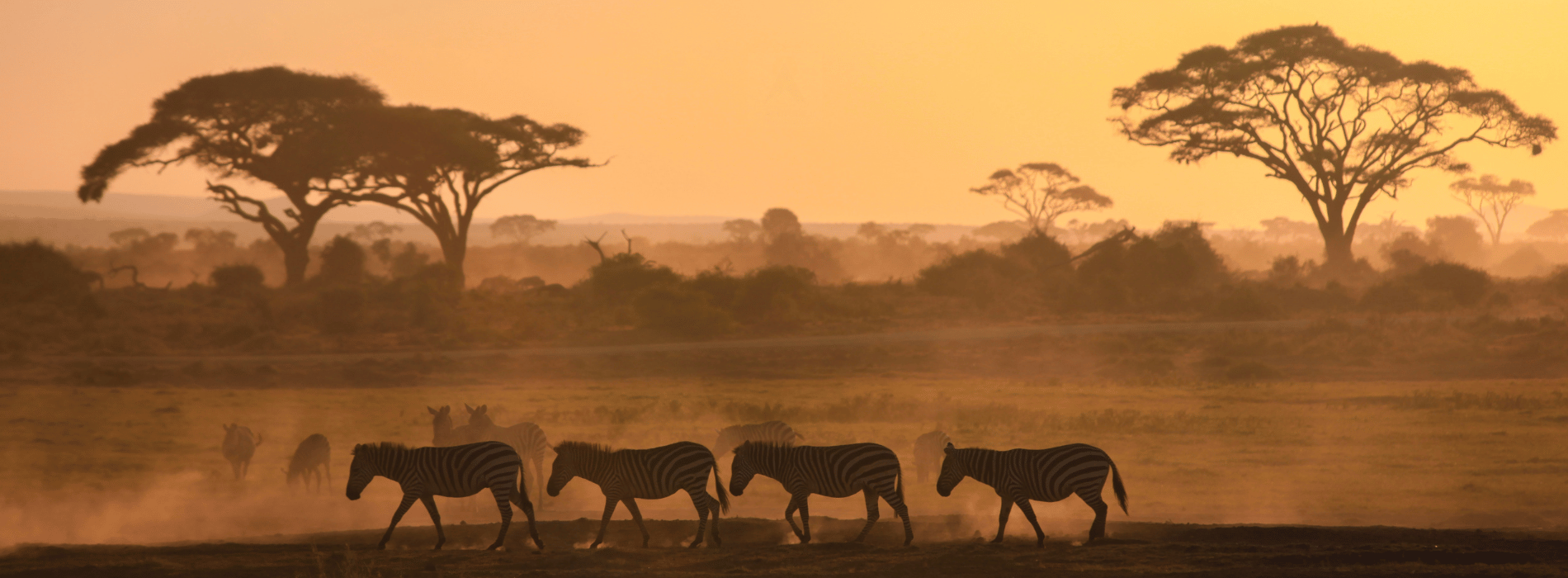
Home to the big 5 & 9, spectacular natural landscapes, bustling cities, and unforgettable food cuisines, the African continent consists of 54 independent nations.
Coming second after Asia, in terms of size, Africa houses more than 100 UNESCO World Heritage Sites, a few of the renowned ones of which include the Pyramids of Giza, Serengeti National Park, Rock Hewn Churches of Lalibela, and Ngorongoro Conservation Area showcase the continent’s stunning natural beauty, rich historical legacy, and dynamic cultural traditions.
For most Nepali travelers, nations like Thailand, Indonesia, and Vietnam have traditionally been the preferred choice for holidays, but with travel trends slowly changing with time, Africa can be a great alternative choice, as it offers a wide array of historical, adventurous, and cultural attractions just able to satisfy just about any traveler’s tastes and preferences!
Popular tourist destinations include Kenya, Tanzania, South Africa, Egypt, Morocco, Uganda, Mauritius, and Seychelles, which can be great options for Nepali travelers to explore, as each offers a distinct travel experience.
Africa Travel Profile
|
Number of Nations |
54 |
|
Total Land Area |
30.37 million square kilometers |
|
Nickname |
The Cradle of Humankind |
|
Widely Spoken Languages |
Arabic, English, French, Portuguese, and Swahili |
|
Major Cities |
Nairobi (Kenya), Dar es Salaam (Tanzania), Cairo (Egypt), Casablanca (Morocco), Lagos (Nigeria), Johannesburg (South Africa), and Kampala (Uganda) |
|
Major Religions |
Islam and Christianity |
|
Time zone |
Six UTC offsets (UTC -1 to UTC +4) |
|
Climate |
Highly Diverse |
|
Common Entry Points |
East Africa - Nairobi, Addis Ababa, Dar es Salaam South Africa - Johannesburg, Cape Town, and Durban North Africa - Cairo, Casablanca, and Marrakech West Africa - Lagos, Accra, and Dakar |
|
Known for |
Wildlife safaris, ancient landmarks, historical cities, diverse culture, and vibrant music festivals |
|
Popular Foods |
Jollof rice (a rice dish), fufu (pounded dough), nyama choma (roasted meat), and ugali (cornmeal porridge) |
|
Transportation |
Taxis, buses, trains, and motorcycles |
Why Visit Africa from Nepal?
There are a ton of reasons why the African continent would make a suitable destination for Nepali travelers.
Africa offers an incredible contrast to Nepal’s mountainous landscapes, from the vast horizons of the Serengeti to pristine beaches in Zanzibar; this continent offers an incredible array of sightseeing attractions.
For Nepali travelers who are into wildlife viewing, nature photography, and epic adventures, this continent promises many epic and immersive experiences that simply cannot be replicated by other continents!
Below, we’ve highlighted a few concrete reasons why Africa stands out as a must visit destination for anyone looking to expand their travel horizons beyond Asia.
Striking Contrast to the Himalayas
Offering a striking contrast to Nepal, the African continent is home to a few of the world’s most eye-catching golden savannahs, deserts, rainforests, tropical coasts, and mountain ranges.
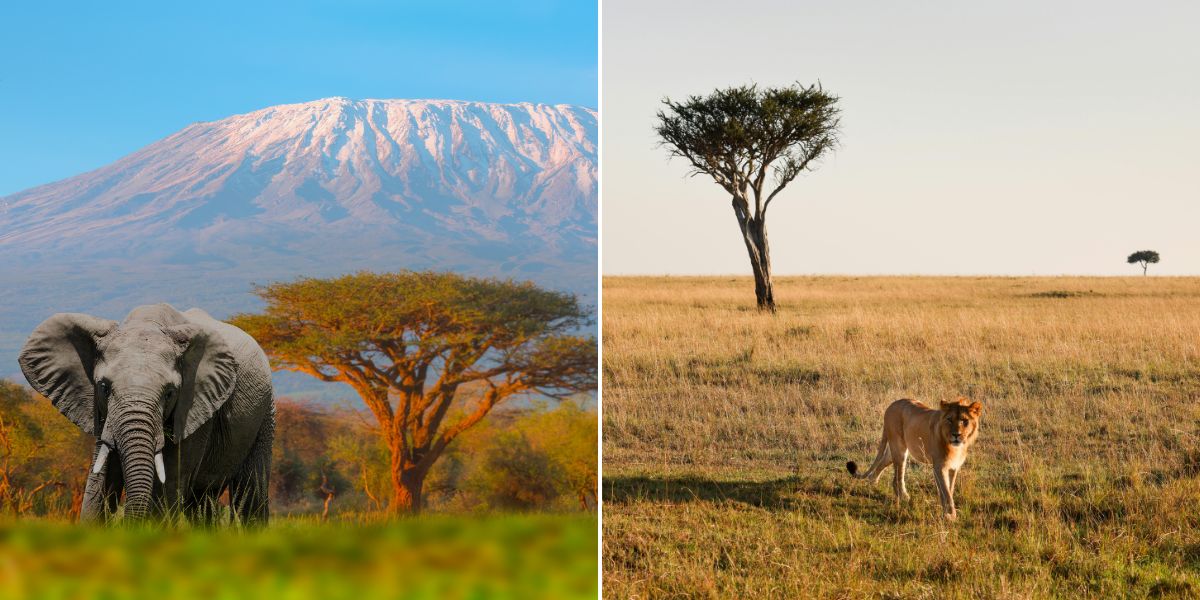
For Nepalis looking for unique and diverse natural wonders, Africa can prove to be a solid destination, as it has many iconic landscapes, from the Serengeti savannah fields to the Sahara Desert, Victoria Falls, Mount Kilimanjaro, and the Nile River (flowing through Uganda, Egypt, South Sudan, and Sudan) that create spectacular scenery for travelers interested in photography, nature, wildlife, and adventure.
On the opposite spectrum, Africa also offers scenic coastal gems like Zanzibar, the Seychelles, and the Kenyan coast, ideal for unwinding and relaxing.
Unique Wildlife Experiences
For travelers with an adventurous soul, Africa also promises many fascinating national parks (like Serengeti, Arusha, and Maasai Mara) where you’ll be able to catch sight of a vast density of wild animals and unique birds.
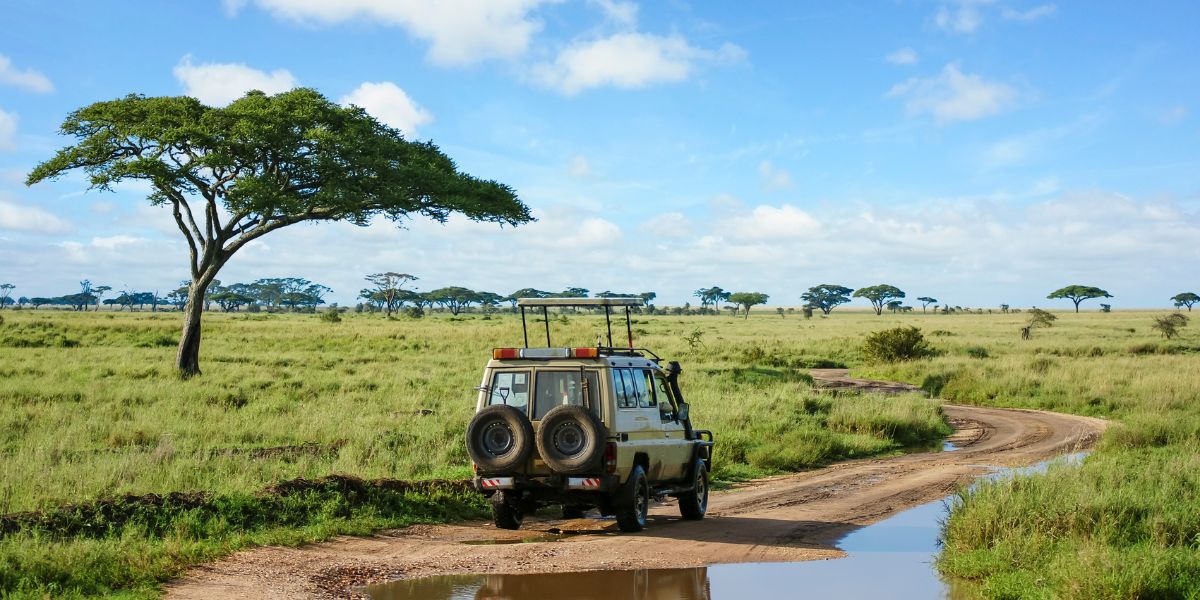
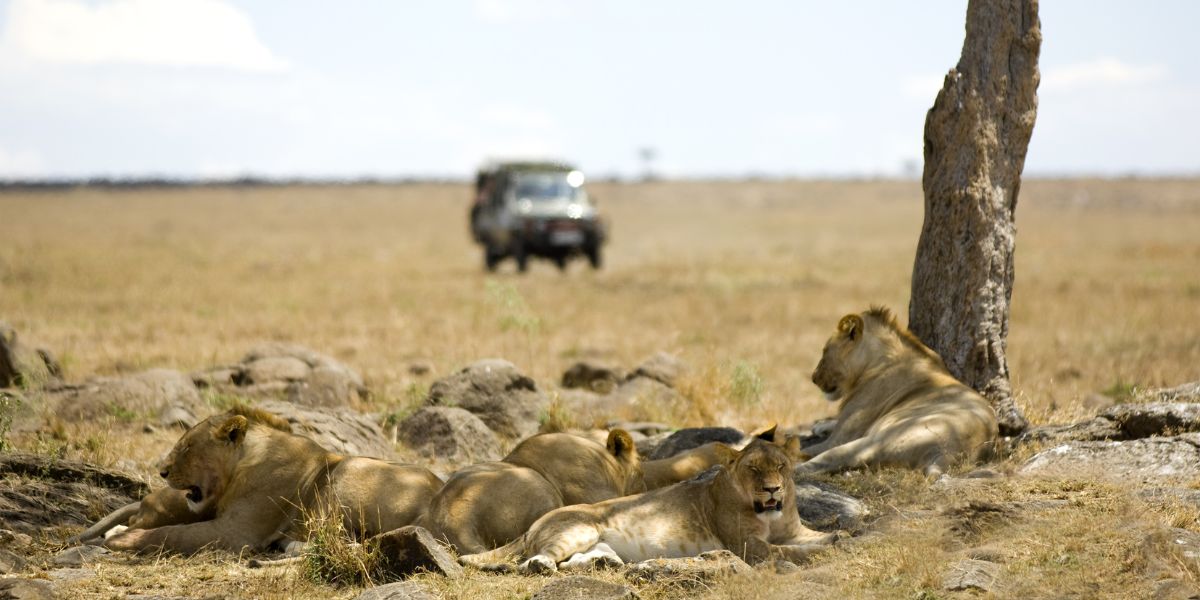
The sheer diversity and visibility of wild animals are hard to match in comparison to other continents in the world! If you choose to go on safaris, from the comfort of your vehicle, you’ll be able to spot lions hunting in prides, zebras grazing on patches of grass land and rhinos dozing off from a safe distance.
Additionally, travelers who want to see animals from a nearby distance can also participate in guided walking tours (in certain designated areas) in only selected African national parks and conservancies, offering an even more immersive and deeper safari experience.
Likewise, gorilla and chimpanzee trekking is also highly popular in a handful of rainforest parks in the eastern and central parts of Africa, especially in Uganda, Rwanda, and the Democratic Republic of Congo.
Simplified Visa Protocols
Nepali citizens need to apply for a tourist visa/travel authorization for African nations, and many popular destinations offer simplified visa policies.
ETA, E-visa and Visa on Arrival
Many renowned destinations in Africa require either an ETA, E-visa, or visa on arrival, where tourists can simply apply for their visa through the online system provided by the government. Additionally, the process of applying for one's visa is also pretty straightforward and easy to understand, as most visa sites have their own set of guidelines.
Visa Overview for Nepali Tourists to Popular African Destinations
|
Nation |
Visa Type |
Type of Entry |
Processing Time |
|
Kenya |
ETA (Electronic Travel Authorization) |
Single Entry |
3-7 Days |
|
Tanzania |
Visa on Arrival |
Single Entry |
_ |
|
Uganda |
E-Visa |
Single Entry |
7-15 Days |
|
Morocco |
E-Visa |
Single Entry |
5-7 Days |
|
Mauritius |
Visa on Arrival |
Single Entry |
_ |
|
Seychelles |
Visa Free |
Single Entry |
_ |
Note: Please take into consideration that the visa rules and procedures are subject to change, so kindly check the official visa websites before applying.
Rich History and Culture
Beyond its wildlife destinations, Africa also offers plenty of historic cities like Cairo (Egypt), Marrakech (Morocco), Cape Town (South Africa), and Stone Town (Tanzania), which strongly reflect the continent’s diverse historical legacy and rich cultural vibrancy.
Iconic cities like Cairo and Marrakech showcase a vibrant mix of diverse ethnic cultures and profound Arabic, ancient Egyptian, and Amazigh heritage, which can be seen reflected through these nations’ rich architecture, colorful markets, and spectacular food cuisines.
On the opposite spectrum, Cape Town and Stone Town offer a totally new side, where the former is famed for its dramatic mountain landscapes, and the latter features the perfect union of Swahili, Arab, and Indian traditions.
Major Tourist Destinations of Africa
To help you plan your journey more easily, we’ve highlighted some of the best African nations that you can learn about before visiting this mesmerizing continent.
Tanzania: Popular Landmarks & Local Culture
|
Famous For |
Wildlife safaris, rich cultural heritage, and Mount Kilimanjaro |
|
Top Attractions |
National parks like Serengeti, Lake Manyara, and Ngorongoro Conservation Area |
|
Languages Spoken |
Swahili and English (in major tourist attractions) |
|
Ideal Stay |
6 to 7 days |
|
Best Time to Visit |
June to October |
Awarded as “Africa’s Leading Destination” in 2021 and 2025, Tanzania is one of East Africa’s largest nations. Known for its breathtaking national parks, adventurous trekking opportunities, and diverse cultural heritage, this nation stands as a premium destination made for nature explorers and wildlife enthusiasts.
Tanzania is divided into two separate regions, namely mainland Tanzania and Zanzibar, where mainland Tanzania takes up the majority of land area, whereas Zanzibar consists of a group of islands situated in the Indian Ocean.
Unforgettable Safari Experiences & Activities
Home to Africa’s tallest mountain, Kilimanjaro, Tanzania consists of many national parks, conservation areas, and game reserves, a few of the most renowned of which include Serengeti, Mount Kilimanjaro, Arusha, and Ngorongoro Conservation Area.
Spot Diverse Animals and Birds in Serengeti
The Serengeti National Park boasts an astonishing number of wildlife species. Game drives are the best possible ways through which one can explore the different areas of the park and spot the Big 5 (lions, buffaloes, elephants, leopards, and rhinos) and extensive variety of bird species like the martial eagle, lilac-breasted roller, African fish eagle, and grey-crowned crane.
Besides game drives, the park also offers other immersive activities like hot air balloon safaris, walking/horse back safaris and nature hikes, providing an even richer and deeper travel experience.
Savor Dodoma’s Exquisite Wines
Additionally, many Tanzanian national parks offer epic game drive opportunities, guided walking safaris, hot air balloon rides, and indigenous community visits where travelers are able to get a deeper and richer understanding of this fascinating destination.
The legislative capital city, Dodoma, also offers something unique to its visitors, a true glimpse into Tanzania’s rich history and flourishing cultural heritage. Consisting of many vineyards and wineries, wine tasting is a pretty popular activity that tourists engage in here.
Tropical Paradise: Zanzibar and Beyond
Places like Zanzibar, Pemba Island, and Mafia Island showcase a different side of Tanzania, as they capture the nation’s vibrant atmosphere, scenic landscapes, island culture, and coastal charm.
Kenya: Popular Landmarks & Local Culture
|
Famous For |
Wildlife safaris, the Great Rift Valley, and vibrant local markets |
|
Top Attractions |
Maasai Mara National Reserve, Amboseli National Park, and Tsavo National Parks |
|
Languages Spoken |
Swahili and English (widely spoken across the country, especially in cities and tourist spots) |
|
Ideal Stay |
5-6 Days |
|
Best Time to Visit |
June to October |
Equally captivating is Kenya, a nation located nearby Tanzania. Due to their close proximity, both these nations are often paired together during tours for many international tourists. With Nairobi functioning as the capital city, this destination consists of 47 semi-autonomous counties and many cities, towns, and villages.
Famed for its diverse ecosystems, rich cultural legacy, Great Wildebeest migration, and stunning national parks, Kenya houses 23 terrestrial national parks and 28 terrestrial national reserves and many marine national reserves and sanctuaries.
Visit the Stunning Masai Mara
If you’re planning to visit Kenya, then you must explore the famous Maasai Mara National Reserve located in the southwest region of Kenya. Established in 1961, this national reserve is said to be one of the world’s best destinations for spotting diverse wildlife, including all members of the Big 5.
Covering an area of 1,510 square kilometers, this reserve features a mix of various landscapes from lush-green grasslands to dry acacia woodlands and serene riverine forests, providing visitors a look into Kenya’s diverse natural landscapes.
To get the best experience, you can go on educational game drives, village visits, hot air balloon rides, walking safaris, nature hikes, and horseback safaris.
Spot Adorable Elephants in Amboseli
Known as “the land of giants,” Amboseli National Park is another addition that you can add to your tour days in Kenya. Home to a massive population of African bush elephants, this park offers a perfect introduction to Kenya’s thriving biodiversity for first time visitors, as they’re able to witness an array of ecosystems ranging from savannah plains to wetlands, seasonal swamps, underground springs, and open grasslands.
Amboseli has a huge elephant population, where one is typically able to spot a variety of animals like cheetahs, giraffes, wildebeests, impalas, Cape buffaloes, baboons, vervet monkeys, and warthogs, along with 4 of the Big 5 (all except for rhinos).
Tip: If you’re particularly interested in spotting adorable baby elephants, stop by Amboseli during the rainy season (November or April).
Additionally, there are 400 species of birds in the park, also including water birds like pelicans, kingfishers, and hamerkop. Other national parks worth your visit in Kenya are Tsavo, Nairobi, Aberdare, Meru, and Samburu.
The wildebeest migration is definitely one of Kenya’s most awaited periods, as from the months of July to October, around 1.5 million wildebeests migrate from the Serengeti in Tanzania to Masai Mara in Kenya in search of food and water, which is said to be a sight to witness!
Uganda: Popular Landmarks & Local Culture
|
Famous For |
Gorilla trekking, the Nile River, and diverse landscapes |
|
Top Attractions |
National parks like Murchison Falls, Bwindi, and Queen Elizabeth |
|
Languages Spoken |
Swahili, Luganda, and English |
|
Ideal Stay |
8-10 Days |
|
Best Time to Visit |
June to October |
Nicknamed the “Pearl of Africa,” Uganda is a vibrant East African nation that has captivated thousands of tourists with its breathtaking natural scenery, dense wildlife population, tranquil waterfalls, forested landscapes, and majestic mountains.
Divided into 4 regions, this nation is primarily visited by thrill seekers and nature enthusiasts. With Kampala functioning as the capital city, a few of the most popular natural attractions cherished include Kibale National Park, Bwindi Impenetrable National Park, and Mgahinga National Park.
Spot Gorillas in Their Natural Habitat
For Nepali travelers who are into thrilling adventure, the Bwindi Impenetrable National Park is one place that you must definitely visit. Gorilla trekking is one of the park’s most popular activities where visitors go on guided walks with certified armed park rangers and local guides through the dense, lush-green rainforests to spot mountain gorillas in their natural habitat.
During the walk, one can observe these animals munching on fruits/leaves, resting beside tree trunks, and mothers grooming their infants.
Tracking Chimpanzees in Kibale National Park
Known as the “primate capital of the world”, Kibale National Park is another of Uganda’s unmissable destinations. Popular for its high chimpanzee population, chimpanzee trekking is said to be a completely different experience from gorilla trekking, as the former experience is said to be more adrenaline rushing, fast paced, and sensory.
This adventure begins pretty early in the morning, where visitors meet with their guided rangers and local guides and then enter the rainforest inside Kibale National Park. Walking through the winding paths surrounded by lush green trees is said to be a surreal experience.
As chimpanzees are said to be more vocal, you might also hear them communicating with their members by making the “pant hoot” calls. Similarly, you might also spot these animals feasting on fresh fruits, females nursing their babies, and younger chimps playing.
Likewise, other notable attractions that you can add to your bucket list while touring Uganda include Queen Elizabeth National Park, Lake Mburo National Park, Sipi Falls, and the Uganda Museum.
Morocco: Popular Landmarks & Local Culture
|
Famous For |
Open air markets, the Sahara Desert, historic cities, rich architecture, and flavorful tea |
|
Top Attractions |
Marrakesh, Fez el Bali, Ait Benhaddou, and the Atlas Mountains |
|
Languages Spoken |
Arabic, Amazigh, Darija, French, and English (in major tourist centric areas) |
|
Best Time to Visit |
March to May and September to November |
If you’re looking to add a historical touch to your holidays in Africa, then make sure to add Morocco to your travel list. Nestled in the northwestern region, this country is celebrated for its ancient medinas (walled cities), colorful open air markets, refreshing mint tea, and diverse natural landscapes.
Historical Cities and Ancient Architecture
Imperial cities like Fes, Marrakech, Meknes, and Rabat are a few of the most prominent locations, as they reflect the nation’s rich history and flourishing cultural legacy. The capital city, Rabat, can be the perfect introduction to this country.
Explore the Kasbah of the Udayas, a royal citadel/fortress established during the 12th century. Featuring the most picturesque white and blue streets, the historic Bab El Kebir gate, and Andalusian Gardens, which will surely transport you back in time! Likewise, the Hassan Tower and Mausoleum of Mohammed V are two of Morocco's significant landmarks.
For an even deeper historical experience, head to Fes El Bali, a medieval old town known for its picturesque alleyways, or Marrakech, which will entice you with its high energy, bustling atmosphere.
Sip, Taste & Dine at Vibrant Markets
To truly immerse yourself in Moroccan culture, you have to explore the colorful souks (markets) where you’ll be able to find a variety of local products like spices, perfumes, handwoven bags, lanterns, and ceramics.
If you’re searching for foods to try in Morocco, then a few tourists’ favorites remain chicken tagine, harira (tomato and lentil soup), chicken/mutton brochettes (skewers), and briouats (stuffed puff pastry).
Seychelles: Popular Landmarks & Local Culture
|
Famous For |
White sandy beaches, marine parks, and scenic islands |
|
Top Attractions |
Islands like Mahe, Praslin and La Digue, Venn’s Town, National Museum of History, and Veuve Nature Reserve |
|
Languages Spoken |
Seychellois Creole, English, and French |
|
Ideal Stay |
5-9 Days |
|
Best Time to Visit |
May to December |
Travelers seeking a peaceful holiday retreat will find Seychelles to be an absolute dream destination! Situated in the western Indian Ocean, it features more than a hundred scenic islands and many tranquil beaches.
Comprising 2 main island groups - called the inner and outer islands, a few of the most prominent ones that most tourists visit are Mahe, Praslin, and La Digue, as they offer crystal clear waters and white sandy beaches.
Out of three, Mahe is the largest island and marks the main entry point to Seychelles. Here, you’ll be welcomed with serene mountainous rainforests and stunning beaches. Explore the Morne Seychellois National Park, which covers 20% of the island’s area.
One of the best ways to experience the park’s natural biodiversity is surely through the various hiking trails, out of which the Copolia or Anse Major are the best available options for adventure lovers.
The first trail features misty mountain cloud forests and granite peaks, whereas the latter features rocky cliffs and ends at a secluded beach, which is only accessible by foot or via a boat. Other top sights to add to your bucket list in Seychelles include the Saint Anne Marine National Park, Curieuse Island, Anse Cocos Beach, and Valle De Mai Nature Reserve.
Ethiopia: Popular Landmarks & Local Culture
|
Famous For |
Rock hewn churches, ancient towns, adventure travel, and wildlife observation |
|
Top Attractions |
Rock Hewn Churches of Lalibela, Fasil Ghebbi, The Danakil Depression, and Simien Mountains National Park |
|
Languages Spoken |
Amharic, Oromo, Tigrinya, Somali, Afar, and Sidama |
|
Best Time to Visit |
March to May and September to November |
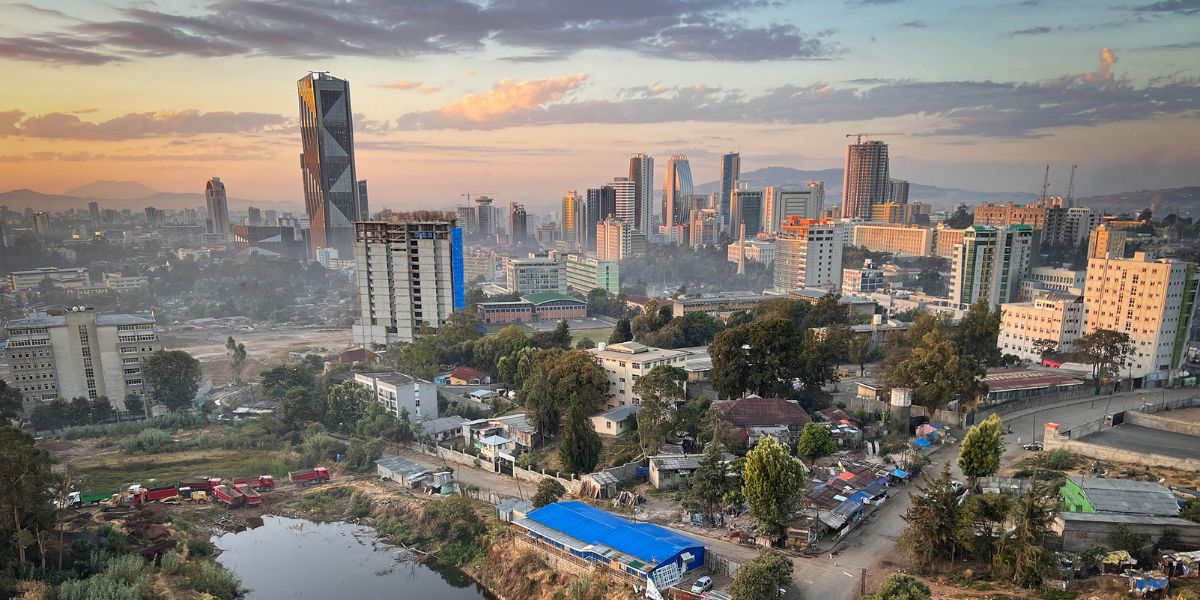
Another of East Africa’s top destinations is Ethiopia. Being one of Africa’s oldest independent nations, this destination is visited by history buffs and culture enthusiasts.
In terms of its division, this nation comprises 12 regional states and two chartered cities, which are Addis Ababa and Dire Dawa. Likewise, Ethiopia’s culture is influenced by centuries of trade with the Middle East and can be seen reflected through the nation’s languages, religion, architecture, and food practices.
Must See Historical Landmarks
To immerse yourself in the nation’s deep rooted history, you can explore a couple of ancient sites like the Rock Hewn Churches of Lalibela, Fasil Ghebbi Fortress, Harar Jugol, and Tiya Megaliths.
Consisting of 11 medieval churches, the churches of Lalibela offer a fascinating look into Ethiopia’s past. The Biete Giyorgis (Church of St. George) is surely one of the famous destinations here that was established during the ruling of King Gebre Mesqel Lalibela and is known for its rock cut architecture.
Best Time to Visit Africa from Nepal
Since Africa is a massive continent with different climates and landscapes, it’s important for travelers to know which are the most preferable months to visit based on their chosen destination and travel activities. To make things easier, we’ve provided you a few popular travel experiences and favorable months to enjoy them.
For Safari Season
- Optimal months: June to October
- Popular Destinations: Kenya, Tanzania, Uganda, Botswana, Namibia, and Rwanda
- Best For: Wildlife safaris, gorilla & chimpanzee trekking, local village visits, and photography
Note: The green season (November - April) could also be another optimal travel season.
For Beach Holidays
- Optimal months: May to December (also depends on the destination)
- Best For: Beach holidays, relaxation, and island hopping
- Popular Destinations: Mauritius, Seychelles, and Zanzibar
For Culture and History
- Optimal months: March to May and September to November (also depends on the destination)
- Best For: City tours, historical sightseeing,
- Popular Destinations: Egypt, Morocco, Ethiopia, South Africa, and Tunisia
For Mountain and Adventure Travel
- Optimal months: June to October (also depends on the destination)
- Best For: Trekking, hiking, and outdoor adventure activities
- Popular Destinations: Tanzania, Uganda, and Namibia
For Gorilla and Chimpanzee Trekking
- Optimal months: June to September and December to February (also depends on the destination)
- Best For: Tracking primates like gorilla and chimpanzee, nature photography
- Popular Destinations: Uganda, Rwanda, and Democratic Republic of Congo
Note: Please take into consideration that while the months stated above are generally favorable but the weather conditions may vary depending on the nation and travel months.
Africa Travel Guide for Nepalese
We’ve also provided a list of essential travel tips you can look into before traveling to Africa.
Visa Requirement for Nepali Travelers
As the African continent comprises various countries, it is best to look into the visa requirements of the nation that you’ll be visiting, as visa requirements differ according to each nation.
While researching this topic, make sure to also learn about the documents required, air travel/hotel categories available, the type of currency required, the general rules and regulations that are followed, and the culture and languages spoken in the country. Researching topics such as these will teach you about the things you need to prepare in advance, leading to much smoother and hassle-free travel days.
Additionally, common documents that you’ll need to carry during your trip include a passport with six months validity, recent passport size photos, proof of accommodation, confirmed flight bookings, travel insurance, and visa related documents, among others.
Get Your Health in Check
Before visiting Africa, make sure you get all the necessary health checkups to avoid falling sick on your trip.
For this, you can consult with your primary doctor and get all the needed vaccinations. A few of the recommended vaccinations before traveling typically include typhoid, hepatitis A and B, tetanus, malaria, and yellow fever, but the list can differ depending upon your destination and personal health conditions.
Note: Depending upon your destination, proof of a yellow certificate may be a mandatory requirement for entry. We advise you to check the health requirements of the nation that you’re planning to visit before departure.
So, we advise you to consult with your doctor and do your research before getting these vaccinations. Additionally, carry all the medications that you use regularly on your trip with their prescriptions.
Drink plenty of water during your traveling days and eat a well-balanced diet so you can stay healthy and energized through your journey. Likewise, adopting simple habits like using sunscreen during your outings, wearing a hat, and taking all necessary vitamins can help you stay refreshed during your trip as well.
Get Travel Insurance
While travel insurance is not required by many African nations, it is advised by many travel experts that all tourists visiting this continent must obtain one beforehand. While selecting the type of insurance, choose one that covers medical emergencies, medical treatment/evacuation, trip cancellation fees, lost luggage, and many other unforeseen circumstances.
Similarly, select a policy that also covers all the African destinations (if you’re planning to tour more than one), and make sure that you keep a digital and carry a printed copy of the travel insurance with you as well.
Safari Tips
While Africa is one of the best continents in the world for wildlife safaris, tourists must take their safety seriously while exploring these sites. If you go on safaris, we advise you to stay inside the vehicle and do not try to approach any of the wild animals.
If you happen to come across any wild animal, make sure that you don’t make any loud noises, as it can startle and sometimes even provoke the animals. Lastly, always follow the rules and advice set by the tour operator.
Flight Logistics from Nepal to Africa
At present (July, 2026), there are no direct flights from Nepal to Africa, so you may be required to take one or more connecting flights to reach your preferred destination in Africa.
Due to this unavailability, you’ll have a layover in large transit hubs like Dubai or Doha. Depending on your route and the airline you choose, you may also transit through cities like Delhi/Mumbai or African hubs (like Addis Ababa, Nairobi, or Johannesburg) before finally arriving at your final destination.
When planning your trip, make sure to pay attention to the layover duration, transit visa requirements/documents, and baggage to ensure that you have a smooth journey.
Hotel Categories and Expectations
In terms of accommodations, we provide our clients with reputable hotels starting from 3 Star basis. To ensure full transparency, you will receive all the details of your booking beforehand, like the name and number of rooms along with the total cost.
We advise you to do your own research after you’ve received all the hotel information, as hotel standards in Africa may differ from Nepal, and likewise, the type of amenities, room size, and service levels may also change across different countries, cities, and towns.
While 3 star hotels in most African nations are known for their reliable quality, services, and hospitality levels, please take into consideration that these factors also highly depend upon the city and location.
So, for a reliable and stress free experience, upgrading to a well established and reputable hotel is also recommended, as we also provide options ranging from 4 to 5 stars that you can upgrade to.
Although we do try to provide our clients with excellent accommodation options, it’s equally important for you to properly do your research and consult with us before finalizing hotels.
Payments and Spending Guidance
As each traveler has their own spending habits that depend upon various factors while traveling, in a general sense, it is advised to take around 1000-1500 USD (or more depending on your travel needs) for a week, as this budget allows you to pay for expenses such as additional flights/sightseeing, dining, shopping, and any other miscellaneous travel costs.
Also, take into consideration that the travel expenses highly depend upon your destination, travel style, and shopping/dining habits, so if you're planning for a more luxurious trip, you may need a higher budget.
For payment options, most African nations accept a combination of both cash and international credit cards, particularly Visa and Mastercard, although card acceptance may be limited in smaller towns and rural areas, so it is recommended to carry a mix of both cash and cards while traveling.
Note: Each African nation has its own currency, and while US dollars are accepted in most nations, travelers should confirm the preferred payment methods and local currency.
Frequently Asked Questions (FAQs)
Why should Nepali travelers consider visiting Africa?
Africa can be a wonderful destination for Nepali tourists, as it offers a ton of varied travel experiences, from epic wildlife safaris to historical city tours, amazing islands, and unforgettable gastronomical experiences.
Which African countries are popular among Nepali travelers?
As Africa comprises 54 nations, a few popular destinations for Nepali tourists include Kenya, Tanzania, Ethiopia, Uganda, Morocco, Mauritius, Seychelles, Namibia, Botswana, and Zambia.
Do Nepali citizens need a visa to travel to African countries?
Yes, Nepali citizens generally require a visa to travel to African countries. But the type of visa, requirements, and travel documents depend upon the destination. Some nations offer E-visa while others provide visa on arrival policies, so it's best to check the latest official visa websites before booking your trip.
How many days should I plan for my trip to Africa?
The trip length depends upon your itinerary and the type of sightseeing activities you want to participate in. For this, refer to the table below:
|
Destination |
Best For |
Advised Travel Days |
|
Kenya |
Wildlife safaris and Maasai village visits |
5-7 days |
|
Tanzania |
Wildlife safaris, iconic landscapes, and rich Swahili culture |
6-7 days |
|
Uganda |
Gorilla and chimpanzee trekking |
8-10 days |
|
Morocco |
Historical cities, ancient landmarks, vibrant culture, and bustling markets |
7-10 days |
|
Seychelles |
Scenic beaches, water sports activities, and premium resorts |
5-7 days |
|
Mauritius |
Picturesque islands, lagoons, and adventurous activities |
5-7 days |
If you want to combine multiple nations (for instance, Kenya and Tanzania or Kenya, Uganda, and Tanzania), you may need 10 to 14 days to fully enjoy wildlife safaris, gorilla/chimpanzee treks, and local village visits.
Could you provide me packing tips for Africa?
Yes, for this, please refer to the table down below:
|
Clothing and Footwear |
Health and Personal Care |
Documents and Money |
Electronics |
|
Breathable shirts and trousers |
Regular medications |
Passport |
Phone charger |
|
Light weight jacket for cool evenings |
A basic first aid kit |
Printed copies of your visas/travel insurance and emergency contact information |
Power bank |
|
Neutral colored clothing for safari trips |
Sunscreen, lipbalm, insect repellent |
Flight tickets and hotel confirmations (if necessary) |
Universal travel adapter |
|
Comfort walking shoes/sandals |
Sanitizers, wet wipes, and reusable water bottles |
US dollars, local currency, and bank cards |
Note: Please take into consideration that this is just a sample of these things you would need during the trip; if there are more things you need to add, please feel free to do so.
Is Africa a safe destination for Nepali tourists?
Generally speaking, many African nations are safe to visit, but we advise you to avoid traveling to destinations with high crime rates, tourist scams, and active conflict. Likewise, to ensure a safe trip, we request you to stay updated on the recent political situation of the destination you’re planning to visit and follow all the basic precautions.