 Singapore
 Malaysia
 Indonesia
 Dubai
Dubai
 Thailand
 China
China
 Sri Lanka
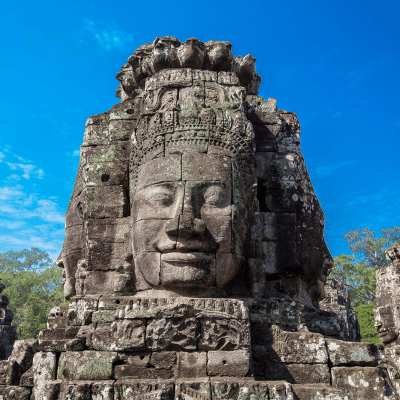 Cambodia
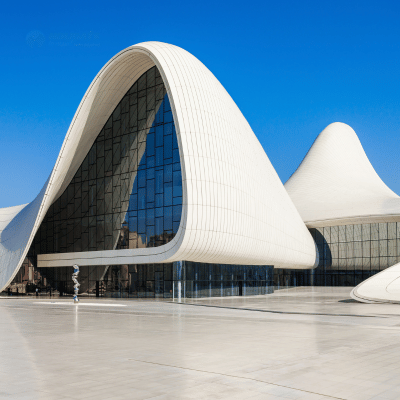 Azerbaijan
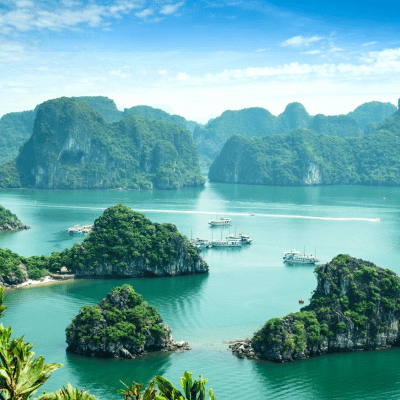 Vietnam
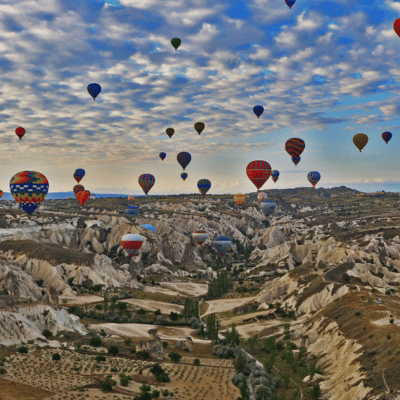 Turkey
 Japan
Japan
 Korea
Korea
 Europe
 India
India
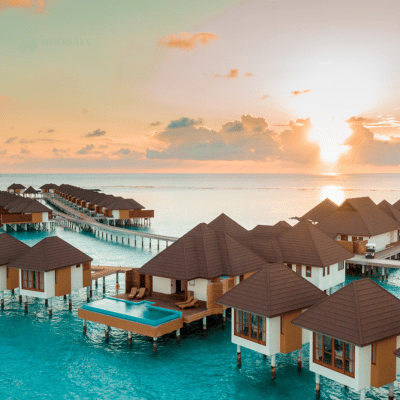 Maldives
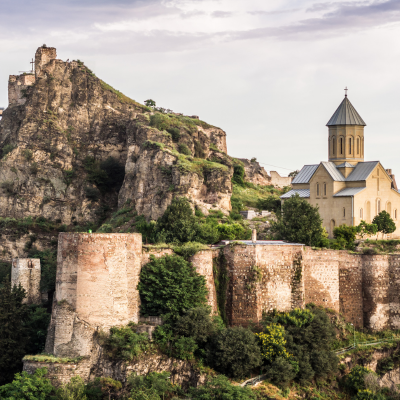 Georgia
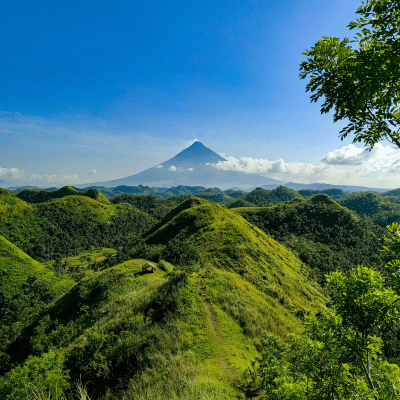 Philippines
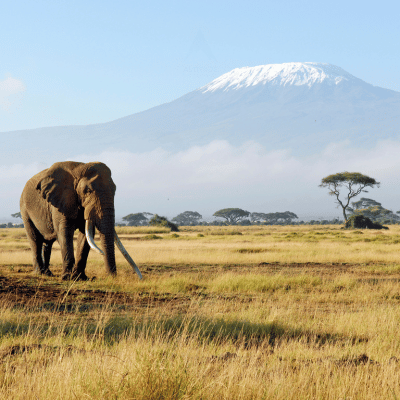 Africa
 Central Asia
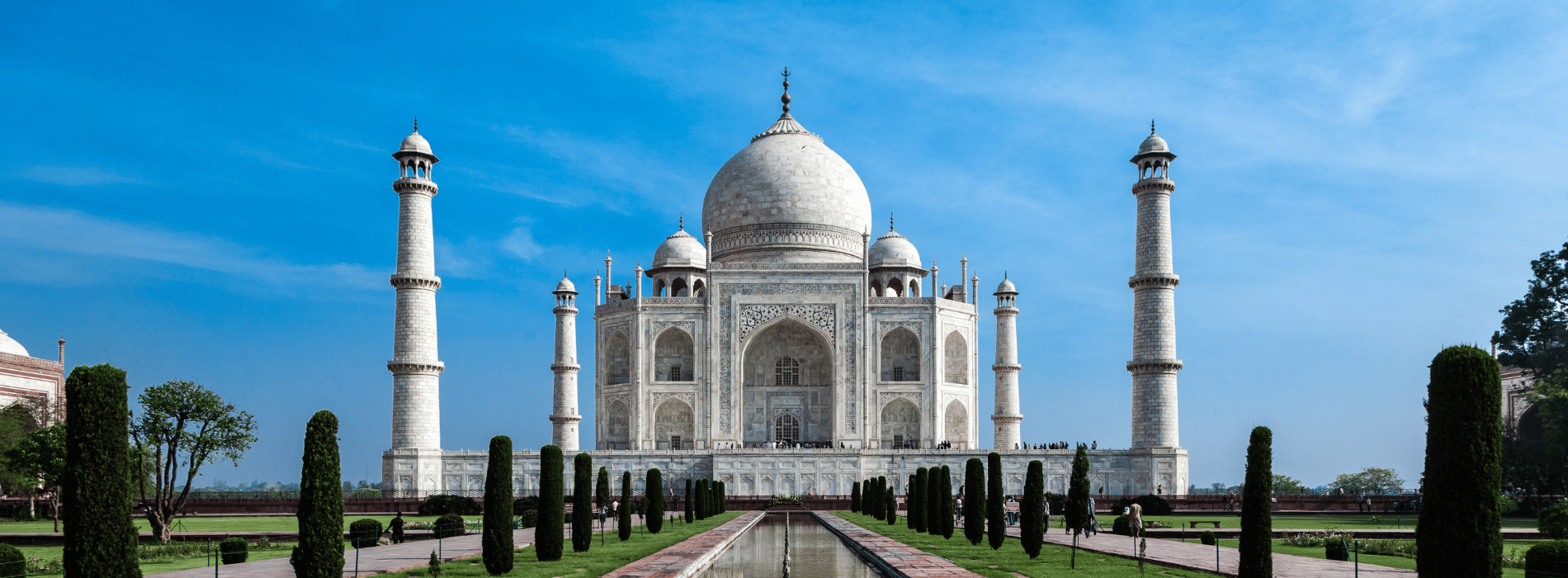
From the snow capped Himalayas to tropical coastlines, India is a nation that has left thousands of Nepali tourists wonderstruck for years!
Nestled in South Asia, this country is divided into 28 states, 6 regions and 8 union territories that differ in terms of geography and natural landscapes. And metropolitan cities like Delhi, Mumbai, Hyderabad, Chennai, Ahmedabad and Kochi are suitable for Nepali tourists as they perfectly blend old traditions with modern innovations.
Being a part of one of the oldest civilizations in the world, the indus civilization, this country also offers visitors a remarkable blend of rich historical legacy, thriving cultural traditions, warm hospitality and spectacular food cuisines which are said to be beyond comparable with any other place in the world.
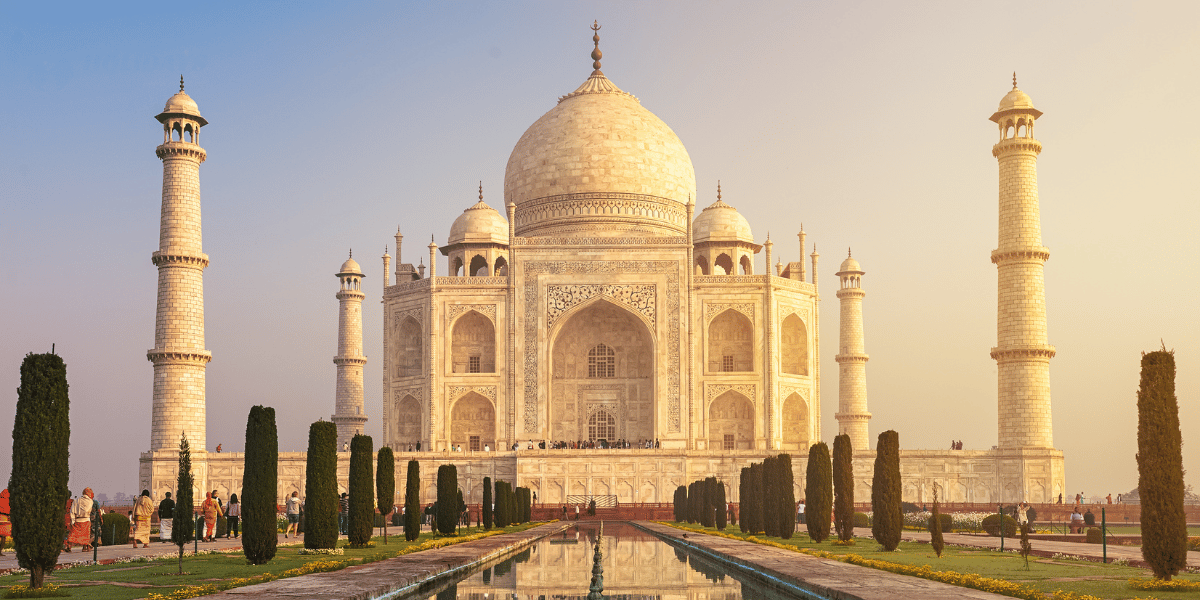
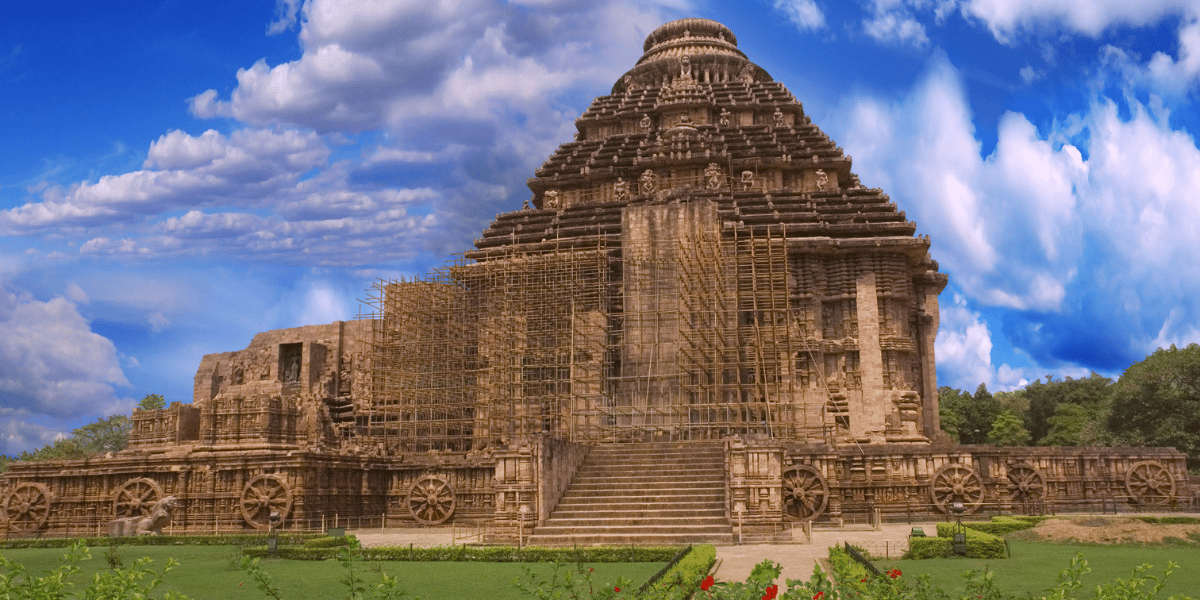
With New Delhi being the capital city, this nation is also home to over 40 UNESCO world heritage sites where the Taj Mahal, Red Fort, Mahabalipuram Rock Monuments, Humayun’s Tomb and Qutub Minar certainly take the top spots that you can add to your bucket list while exploring this nation.
India Country Profile
|
Capital |
New Delhi |
|
Official Name |
Republic of India |
|
Total Land Area |
3,287,263 square kilometers |
|
Nickname |
The Jewel of Asia |
|
Official Languages |
Hindi and English |
|
Major Cities |
Delhi, Chennai, Mumbai, Kolkata, Bangalore and Jaipur |
|
Currency |
Indian Rupee (INR) |
|
Time zone |
IST (India Standard Time), UTC+5:30 |
|
Time difference |
15 minutes ahead of Nepal |
|
Climate |
Tropical Monsoon |
|
Entry Requirements |
Visa Free Policy |
|
Common Entry Points |
By Air: Delhi, Bangalore, Mumbai, Varanasi and Kolkata By Road: Gaddachauki/Banbasa (Mahendra Nagar), Rupaidiha (Nepalgunj), Sunauli (Bhairava), Raxaul (Birgunj), Jayanagar (Janakpur), Jogbani (Biratnagar) and Pani Tanki (Kakarvitta) |
|
Known for |
Historical temples, colorful markets, tranquil beaches, wildlife sanctuaries, ancient palaces and serene ashrams |
|
Popular Cuisines |
Biryani (mixed rice dish), samosas (deep fried snack), butter chicken and vada pav (Indian style burger) |
|
Transportation |
Buses, taxis, motorcycles, tuk-tuks (a type of rickshaw) and trains |
Why Visit India from Nepal?
India has been a top tourist attraction for many years and rightfully so! With many diverse and educational sightseeing attractions, who wouldn’t want to visit this country? Below, we have listed the five top reasons why you should keep this nation on your list of destinations to visit this year.
Ease of Travel
One of the main reasons why huge numbers of Nepali travelers specially gravitate towards India in comparison to other Asian nations is due to the visa free policy that came as a result of the Indo Nepal Treaty of Peace and Friendship signed by both the nations in 1950. This treaty allowed citizens of the nations to freely travel between these countries without acquiring a visa.
Due to this visa exemption protocol, Nepali visitors are able to avoid the strenuous process of applying for a standard tourist visa along with other typical processes carried out like filling out pre-travel applications, going for embassy visits and paying for visa charges.
Strong Connectivity and Accessibility
As both India and Nepal are located nearby each other and share borders, Nepali tourists are also easily able to travel to India both via land and air. Travelers looking for quicker options can travel to India via direct flights, as there are multiple international airports found in many of the nation’s major cities.
Whereas, on the other hand, visitors who enjoy more laidback options looking to travel through roads are provided with multiple entry points like Gaddachauki/Banbasa (Mahendranagar), Rupaidiha (Nepalgunj), Sunauli (Bhairava), Raxaul (Birgunj), Jayanagar (Janakpur), Jogbani (Biratnagar) and Pani Tanki (Kakarvitta).
Diverse Culture and Heritage
With plenty of historical temples, sacred monasteries, lively markets and ancient museums, India is an unmissable destination for history lovers and culture buffs all across the world.
Additionally, this country is home to many ethnic groups, leading to the birth of many cultures, cuisines, traditions and customs, making it one of Asia's truly diverse destinations. And if you’re someone who is interested in these things, then India should definitely be added to your next travel destination for sure!
Affordability
In comparison to many western nations like the U.S. and the U.K., India is a relatively affordable and budget-friendly destination for Nepali travelers. The cost of travel like flights, food and accommodations costs substantially less and at many times even comes to even half the total price when compared to renowned foreign nations.
So, within a limited budget, Nepali tourists are able to gain a wide range of quality experiences in India that otherwise wouldn’t be possible in many other Western and European countries.
High Hospitality
Being one of Asia’s top destinations in terms of hospitality, India is a nation that warmly welcomes tourists from all parts of the world. Additionally, one of Hindu culture’s main philosophies is “Atithi Devo Bhava” which translates to “guests are gods”, so tourists are treated with respect, warmth and kindness.
Major Tourist Destinations of India
Being the seventh largest nation in the world, India is surely massive! With 28 states, 6 regions and 8 union territories, this country offers a number of diverse destinations that can be a bit overwhelming to navigate, especially as a first time visitor.
So with this in mind, we’ve provided you with short descriptions (along with quick facts) regarding India’s top regions that will offer you a clearer picture of what you might want to add to your itinerary!
Southern India
|
States |
Kerala, Tamil Nadu, Karnataka, Andhra Pradesh and Telangana |
|
Major cities |
Bangalore, Chennai, Hyderabad, Kochi, Visakhapatnam and Madurai |
|
Famous for |
Historical temples, tranquil backwaters, hill stations, peaceful ashrams and traditional artforms |
|
Languages Spoken |
Tamil, Telugu, Kannada, Malayalam and English |
Enchanting, beautiful and uniquely diverse, South India is every traveler’s dream destination! With an abundance of historical temples, coastal cities, serene hill stations and thriving markets, it’s no wonder why thousands of Nepali tourists visit this region of India every year.
Consisting of 5 states and numerous cities, towns and villages, this part of India is ideal for travelers who are looking for a mix of sightseeing destinations, as many tourist centric places here differ in terms of culture, history, languages, architecture and food practices.
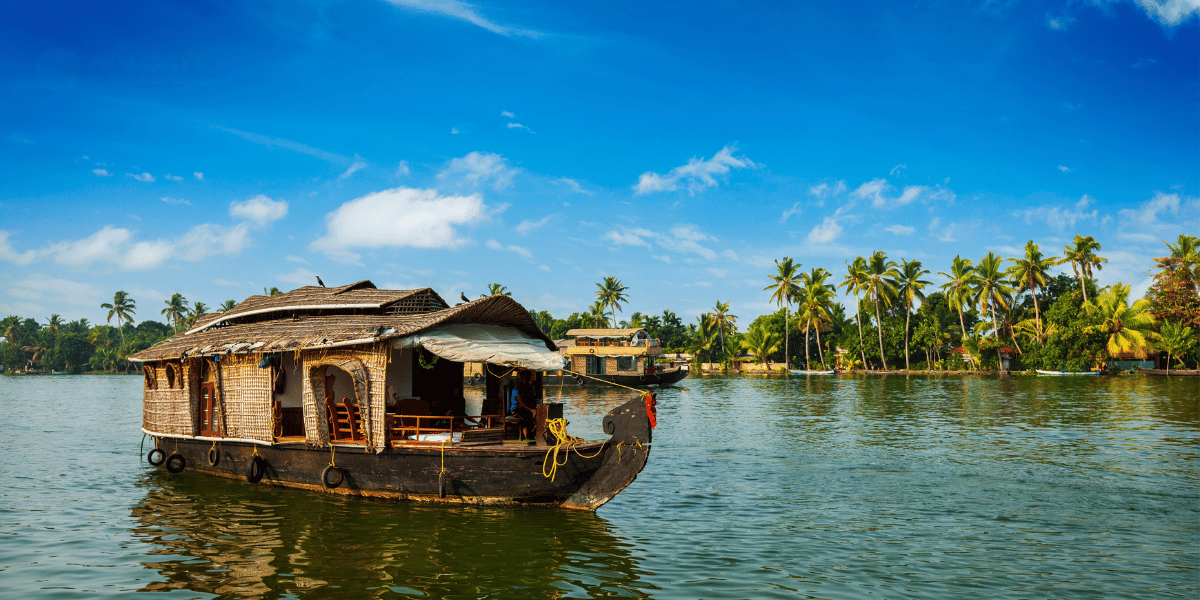
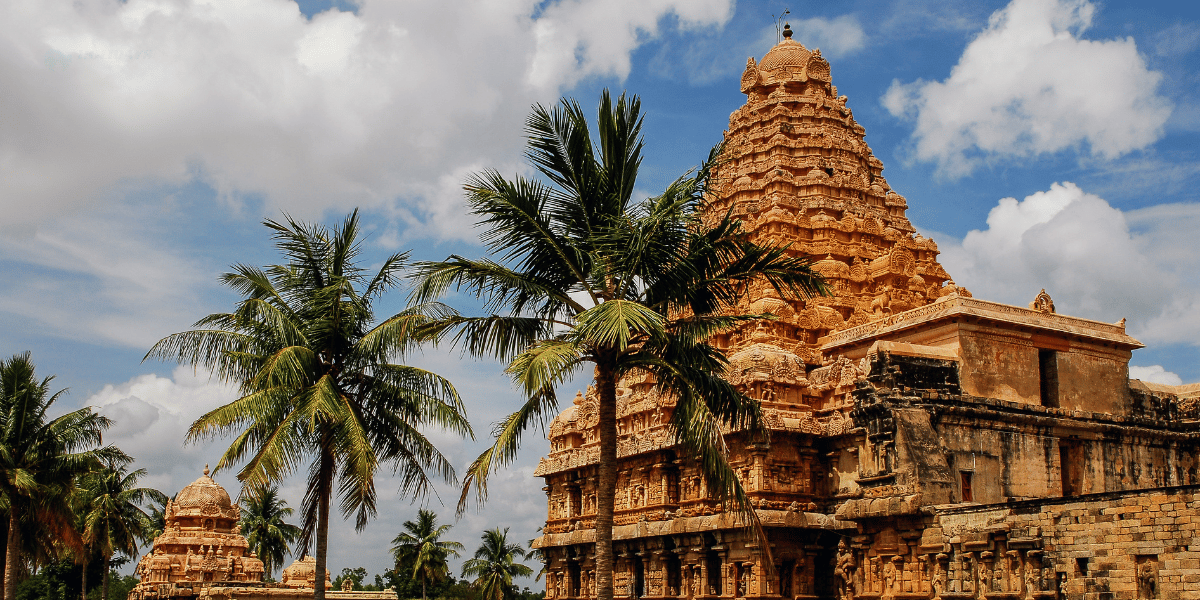
For instance, if we look at the state of Kerala, then it’s perfect for those who are into slow paced, relaxing and wellness focused experiences, whereas Tamil Nadu is suited more for history lovers and cultural buffs, as it houses an abundance of ancient temples, sacred ghats (steps that lead to a holy river) and majestic palaces.
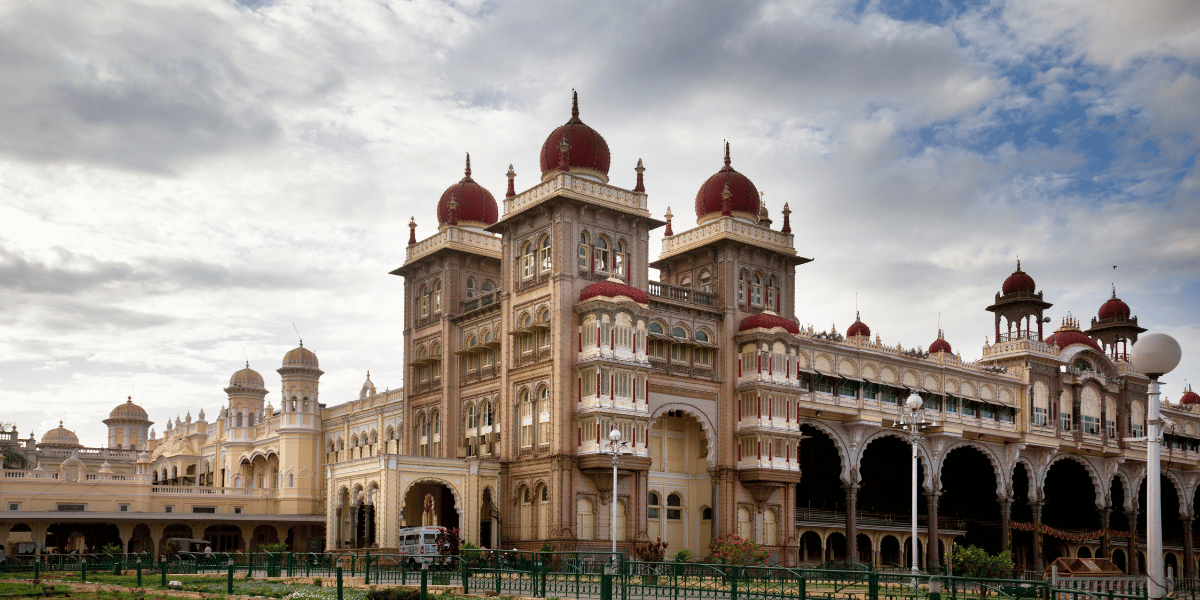
Similarly, cities like Madurai, Kochi, Mysore, Pondicherry and Hampi serve as the perfect base for cultural activities, as they reflect South India's rich heritage, local traditions and colorful cultural practices.
The thriving city of Chennai, located along the Coromandel coast, has remained a top pick for many tourists across the globe, as there are many historical, modern and natural attractions making it suitable for visitors with varied travel tastes and preferences.
On the other hand, tourists who want to solely focus on gastronomical experiences will find traveling to Hyderabad and Kottayam a rewarding experience, as they offer numerous regional cuisines and international food options.
Northern India
|
States |
Uttar Pradesh, Rajasthan, Himachal Pradesh, Haryana, Punjab and Uttarakhand |
|
Major cities |
Delhi, Varanasi, Agra, Jaipur, Amritsar, Haridwar, Shimla and Lucknow |
|
Famous for |
Pilgrimage landmarks, royal palaces, spiritual centers, vibrant bazaars and wildlife reserves |
|
Languages Spoken |
Hindi, Urdu, Punjabi and English |
Home to many historic cities like Varanasi, Ayodhya, Agra, Jodhpur and Mathura, the Northern side of India is recognized for traditional Mughal architecture, diverse cultural arts and deep spirituality practices.
To make the best out of your travel days, the Golden Triangle Tour would be the perfect introduction to this region’s bustling atmosphere, century-old landmarks and colorful markets! Covering three popular cities - Delhi, Agra and Jaipur, these places will take you back to medieval India and help you gain insights into this nation’s deep-rooted history and cultural heritage.
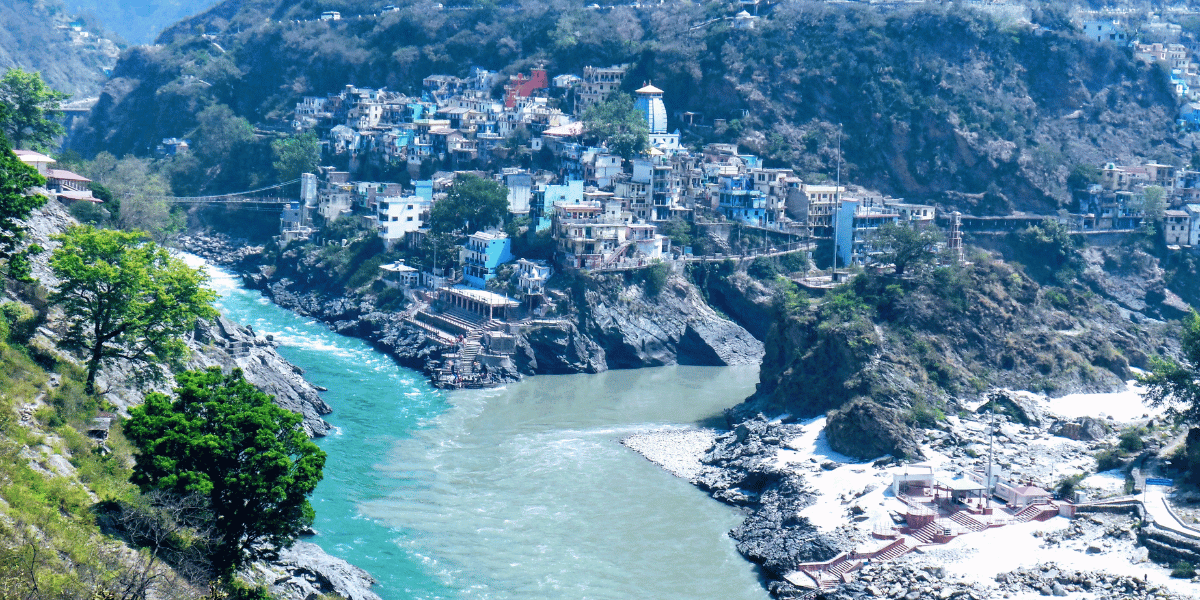
The ancient city of Agra is known for the stunning landmarks like the Taj Mahal and Agra Fort. Constructed using Indo-Islamic architecture, the Taj Mahal spans across 42 acres and took over 20 years to build! Similarly, the region is also one of Asia’s major pilgrimage centered destinations as it is believed to be the birthplace of renowned avatars of Lord Vishnu like Lord Ram and Krishna.
According to Hindu mythology, the ancient city of Mathura located here is thought to be where Krishna was born and destinations like the Shri Krishna Janmabhumi Temple Complex, Shri Dwarkadhish Temple, Gokul Nath Temple and Brahmand Ghat a few located here, are linked to the deity’s childhood that you can explore if you’re someone who is interested in Hindu lore and mythology.
In contrast, Nepali travelers looking to indulge in popular Indian foods like chicken tikka masala, siddu (pastry stuffed with dry fruits), rogan josh (lamb curry), and rajma chawal (kidney beans served with rice) will find exploring this region a worthwhile experience as tons of Northern cities like Delhi, Amritsar, Kashmir, Jaipur and Lucknow are home to many street food markets and local restaurants that offer these cuisines.
On the other hand, for travelers seeking history and culture, Rajasthan stands out as one of India’s most captivating states. Key cities like Bikaner, Jaisalmer, Jodhpur and Udaipur are visited by many international tourists as they reflect the state’s royal heritage and thriving cultural traditions.
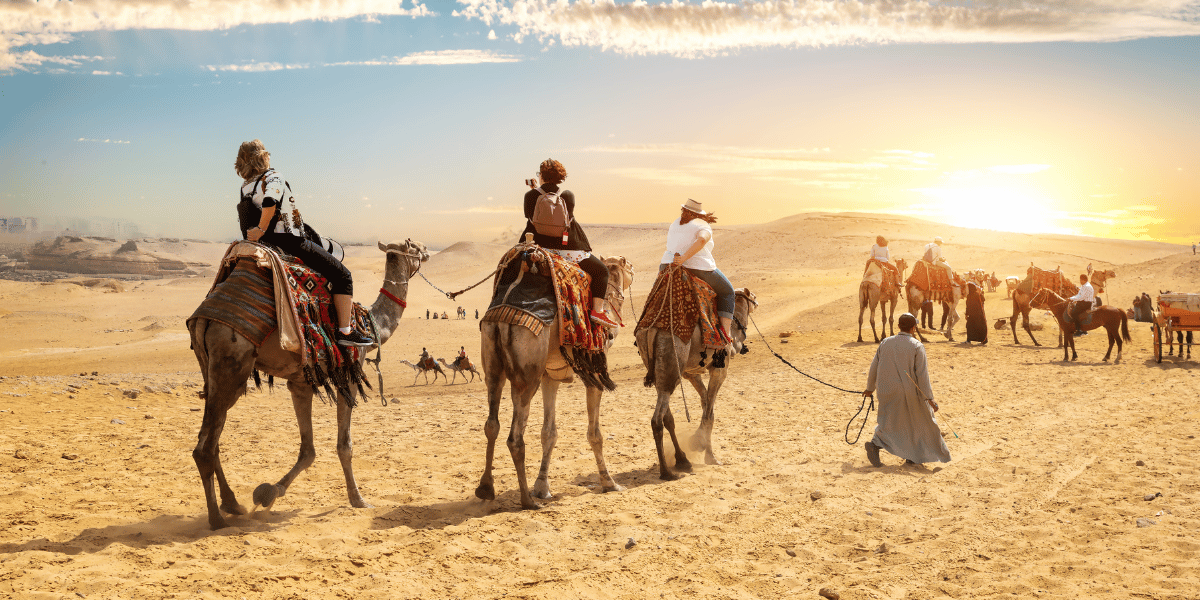
Additionally, Jaisalmer is suitable for desert safaris, as one can spend a magical night in the Thar desert situated in the northwestern region of this city. Being a one of a kind experience, visitors during the safari can also go on epic camel safaris, witness traditional Rajasthani performances and enjoy a number of mouthwatering local cuisines.
Eastern India
|
States |
West Bengal, Bihar, Odisha and Jharkhand |
|
Major cities |
Kolkata, Bodh Gaya, Darjeeling, Patna and Silguri |
|
Famous for |
Religious temples, artistic museums, serene tea plantations and sacred ghats |
|
Languages Spoken |
Bengali, Odia, Hindi, Bhojpuri, Maithili and English |
The Eastern side of India is perfect for Nepali travelers seeking spirituality, nature, adventure and culture on their vacation. Home to Bihar, a renowned Buddhist pilgrimage state, the east is visited by a massive number of Buddhist devotees each year, as it is home to many ancient cities like Gaya, Bodh Gaya, Patna and Kushinagar (in Uttar Pradesh), as Lord Buddha was believed to have gained enlightenment and later attained parinirvana in these places.
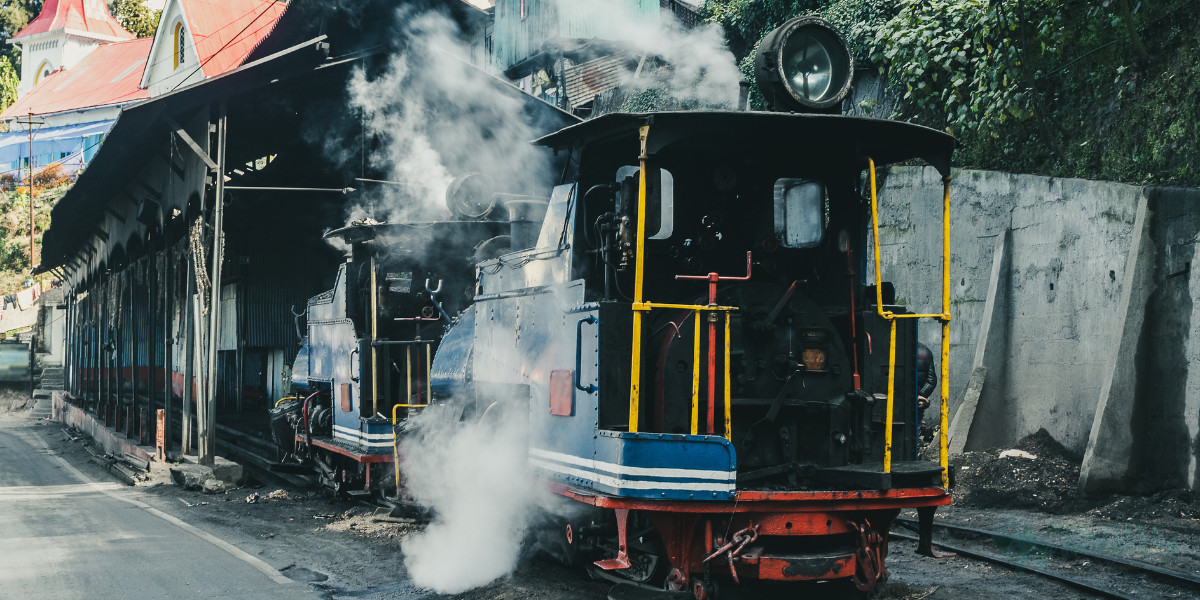
Likewise, the vibrant Darjeeling city also belongs to the East. Being a popular hilltop destination, this city is famed for its misty weather, old school style trains, mesmerizing tea estates and diverse cultures! Visitors here can experience the joy of riding those classic steam trains and catch sight of the city’s tea gardens, local homes and colorful markets along with this experience!
Additionally, communication is no longer a problem for Nepali tourists when visiting Darjeeling, as Nepali is one of the main languages spoken here, allowing travelers to easily communicate with the locals.
In terms of food, this city boasts a number of mouthwatering foods that Nepali travelers grew up eating like thukpa, shapaley, sel roti, aloo dum and momo, providing a sense of familiarity and comfort when being far away from home.
In a similar realm, cities like Kolkata and Puri are other destinations that you can add to your travel list, as they offer a perfect blend of lively city atmosphere, colonial heritage and warm hospitality.
Western India
|
States |
Goa, Gujarat and Maharashtra |
|
Major cities |
Mumbai, Ahmedabad, Pune and Surat |
|
Famous for |
Historical cave temples, desert forts and palaces, picturesque beaches and local markets |
|
Languages Spoken |
Marathi, Gujarati, Marwari, Hindi, Konkani and English |
Offering visitors a number of diverse natural landscapes ranging from deserts to beaches and hills, Western India comprises 3 major states, including Goa, Gujarat and Maharashtra, that have all been popular destinations with Nepali tourists for many years.
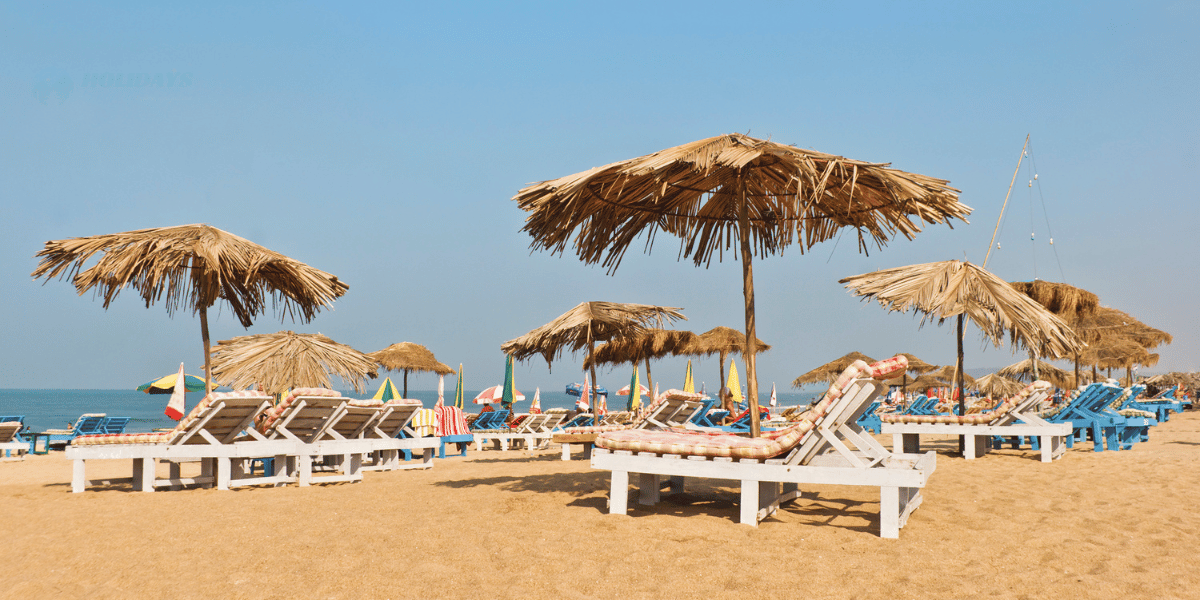
Goa, India’s smallest state (in terms of land area), is known for its tranquil beaches, vibrant markets and mouthwatering seafood items. Travel to the North side of Goa if you’re someone who wants to experience the hustle and bustle energy that often comes with populated places and if you’re someone who prefers the opposite, then the Southern side is ideal for you!
Many Nepali travelers in large numbers also visit Mumbai, one of India’s top metropolitan cities! Featured in popular Bollywood films like Slumdog Millionaire, Wake Up Sid and Gully Boy, this attraction promises tourists a dynamic urban experience, as it consists of many highrise buildings, iconic landmarks and bustling markets.
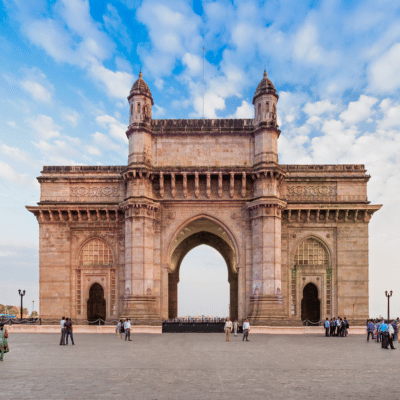
Destinations like Gateway of India, Prince of Wales Museum, Hanging Gardens and Haji Ali Dargah are ideal if you’re someone who wants to immerse yourself in the historical and cultural side of Mumbai.
North East India
|
States |
Arunachal Pradesh, Assam, Manipur, Meghalaya, Mizoram, Nagaland, Tripura and Sikkim |
|
Major cities and towns |
Guwahati, Gangtok, Shillong, Tawang, Aizawl and Agartala |
|
Famous for |
High altitude lakes, scenic waterfalls, historical landmarks and local villages |
|
Languages Spoken |
Assamese, Nepali, Manipuri and Bodo |
Being one of the most beautiful, diverse and culturally rich regions of India, the North East comprises 8 states that differ in terms of geography, architecture, culture and daily lifestyle.
For many Nepalis, Sikkim has been one of this region’s most cherished spots, as it holds a strong tie to Nepali culture, which can be seen reflected through the cultures, language and food customs practiced in this state.
Attractions like Jawaharlal Nehru Botanical Garden, Do Drul Chorten (Stupa), Gangtok Ropeway, Namgyal Research Institute of Tibetology, Nam Nang Viewpoint, Flower Exhibition Center, Ganesh Tok, Bakthang Waterfalls and Tashi Viewpoint are a few of Sikkim’s top attractions that you can add to your bucket list while visiting this state.
Similarly, Arunachal Pradesh in contrast feels more secluded and remote. Known for its Buddhist monasteries and mist-covered Himalayas, this destination is ideal for Nepali tourists seeking travel days filled with peace and tranquility. Sites like Ziro Valley, Sangti Valley and Madhuri Lake are a few of the state’s most serene spots perfect for unwinding and decompressing.
On the other hand, Assam entices visitors with its lush-green tea gardens, rich biodiversity and cool weather. Often titled the “tea capital of the world”, a few unmissable activities that you need to do here are take a stroll around tea gardens, explore national parks and attend cultural programs.
Central India
|
States |
Madhya Pradesh and Chattisgarh |
|
Major cities |
Indore, Bhopal, Raipur, Gwalior and Jabalpur |
|
Famous for |
UNESCO heritage sites, pilgrimage sites, waterfalls and colorful markets |
|
Languages Spoken |
Hindi, Chattisgarhi, Bundeli, Malvi and Gondi |
Often called the “cultural heartland” of India, the central region includes two major states Madhya Pradesh and Chhattisgarh, which are known for their rich biodiversity, national parks, ancient forts and tranquil waterfalls.
If you’re someone who’s into wildlife safaris, then Madhya Pradesh should definitely be at the top of your bucket list, as it houses many national parks, and a few of the most renowned ones include Bandhavgarh, Kanha, Pench and Panna.
The Kanha National Park is home to many diverse wild animals like Bengal tigers, Barasingha (swamp) deers, wild dogs, sloth bears, Indian leopards, wild boars and blue bulls that one can catch a glimpse of during their safari tours! Additionally, you can also engage in other adventurous activities like nature walks and bird watching.
For a historical experience, you can also go on a guided heritage walk in Bhopal where you’ll walk through numerous historical landmarks, local houses and street stalls and get to observe the daily lifestyle and practices of the local communities living in this city.
For food lovers, a few foods that you can try in this city include poha jalebi (savory beaten flattened rice served with indian sweet), dal bafla (whole wheat balls served with lentil soup) and achar gosht (tangy meat soup), which will help you learn about the rich culinary traditions of Bhopal.
Other popular sightseeing attractions include Khajuraho, Gwalior, Ujjain and Orchha, which showcase the historical and cultural richness of this region.
Best Time to Visit India
Due to India’s diverse geographical regions, this nation goes through four distinct seasons, where each season holds its own unique charm. As India is divided into many regions, we’ve provided you with the best months to travel to these regions, so you’ll be able to get the best travel experience in this nation!
Northern, East, Central and Western India
The most optimal months to visit the north, east, central and west regions are October to March, as the weather during this time stays cool, pleasant and moderate, with temperatures usually ranging from 18 to 25 degrees Celsius during the day time whereas during nights this significantly decreases.
Popular cities like Delhi, Agra, Rajasthan, Varanasi, Mumbai, Goa and Amritsar, to name a few located in these regions are bustling with tourists as these places offer a ton of sightseeing activities like visiting historic temples, exploring lively market areas, and visiting scenic islands/beaches.
Southern India
The most optimal months to travel to the southern region are from December to March, as during these months, there are fewer chances of rainfall with low heat and humidity felt in the air, and average temperatures in these months usually range around 21 to 30 degrees Celsius.
The best destinations that you can explore in this region include destinations such as Chennai, Kerala, Pondicherry, Tamil Nadu and Karnataka, where you can participate in several fun outdoor activities such as going on adventurous hikes/serene nature walks, visiting cultural museums, and attending various traditional festivals.
Himalayan Region
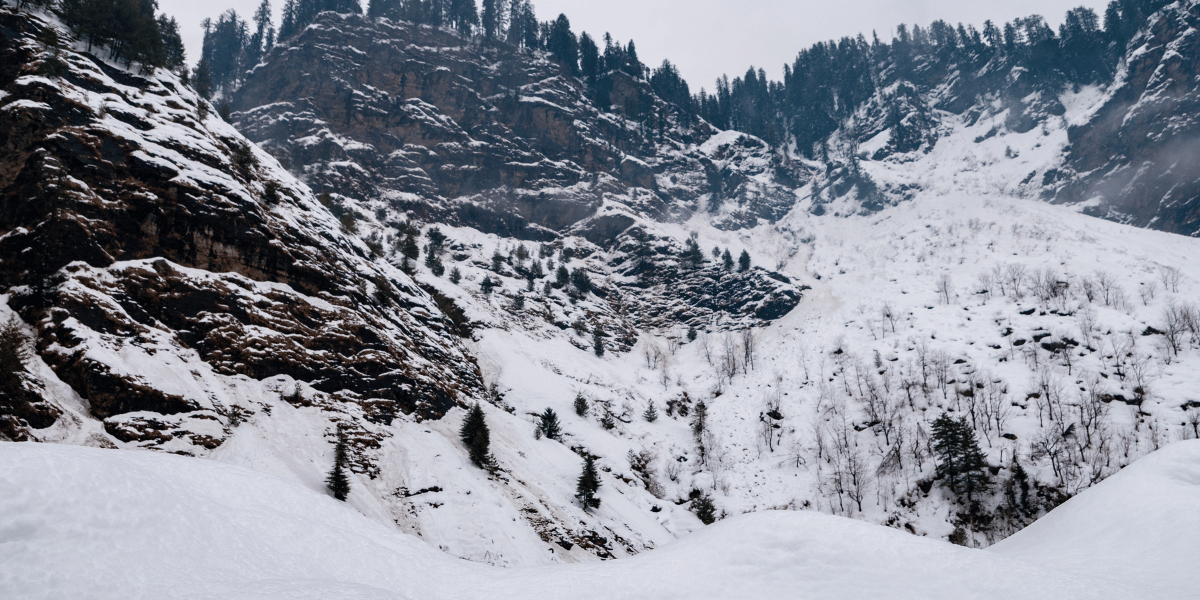
For the Himalayan region that consists of places like Himachal Pradesh, Arunachal Pradesh and Sikkim, the most favorable months to explore these locations are either from March to May or September to November, as these months provide the perfect atmosphere for going on hikes, treks and nature walks.
Additionally, travelers catch a glimpse of snow-covered mountains and lush green valleys, as there is said to be better visibility of this natural scenery during these months.
India Travel Guide
We’ve also provided a list of essential travel tips you can look into before traveling to India:
Learn About the Visa Requirements and Documentation
Before traveling to any international destination, it’s important that you learn about all the necessary visa requirements and documents needed in order to travel as researching well on this topic provides you with all the crucial steps and information needed to acquire the visa.
Fortunately, while traveling to India from Nepal, you don’t need a visa if you are a Nepalese citizen; however, please make sure to carry these documents:
- Valid identity card such as an original citizenship or passport.
- For parents traveling with children below 16, please make sure to carry your children’s original birth certificate (issued by the Government of Nepal) and school identity card.
Additionally, for maximum safety, also make sure to also carry digital copies of these documents in case you lose them while traveling.
Package Customization Options
All the tour packages that you see featured on our website can be easily customized to suit your travel needs and preferences. You can personalize details like sightseeing destinations, mode of transportation, accommodation choices, travel date/month and flight arrangements.
For this, we recommend you contact us in advance with your requirements through our Whatsapp number, email, submitting an inquiry through our website or even visiting our office for a consultation.
Hotel Categories and Expectations
In terms of accommodations, we provide our clients with reputable hotels starting from 3 Star basis. To ensure full transparency, you will receive all the details of your beforehand like the name, number of rooms along with the total cost.
We advise you to do your own research after you’ve received all the hotel information as hotel standards in India may differ from Nepal and likewise, the type of amenities, room size and service levels may also change across different states, cities and towns in India.
While 3 star hotels in India are known for their reliable quality, services and hospitality levels, please take into consideration that these factors also highly depend upon the city and location. So, for a reliable and stress free experience, upgrading to a well established and reputable hotel is also recommended, as we also provide options ranging from 4 to 5 stars that you can upgrade to.
Although we do try to provide our clients with excellent accommodation options, it’s equally important for you to properly do your research and consult with us before finalizing hotels.
Payments and Spending Guidance
As each traveler has their own spending habits that depend upon various factors while traveling, in a general sense, it is advised to take around 20,000 INR (or more depending on your travel needs) in India for a week, as this budget allows you to pay for expenses such as additional flights/sightseeing, dining, shopping and any other miscellaneous travel costs.
For payment options, this nation uses both cash and credit cards (visa and mastercard) so it is recommended to carry a mix of both cash and cards while traveling.
Likewise, cash is generally preferred in many local restaurants, small souvenir shops, street markets and rural areas, where having 2000-3000 Indian Rupee is ideal for most purchases, whereas credit cards (like visa and mastercard) can be used in many hotels, shopping malls and larger establishments.
Getting a Local SIM Card
Nepali citizens wanting to purchase a local SIM card in India can do so either at international airports or official mobile stores. Additionally, there are three SIM card options that you can choose from which are Airtel, Jio and Vodafone.
To obtain a SIM card, you will need to provide the following documents and details:
- A photocopy of passport.
- 1-2 passport sized photos.
- Details of your local address (hotel that you’re staying in).
- Basic personal information.
Furthermore, SIM cards purchased at airports can usually take around 1 to 10 hours to be activated, whereas those bought from local stores can take anywhere between 24-48 hours.
Cultural Etiquette and Dress Codes
As India comprises many historical temples, we suggest you learn about the essential temple etiquettes in advance. Before visiting these sacred sites, we advise you to dress modestly and avoid wearing any revealing clothing items. You can also carry a shawl with you as well in case you may need to cover your head, as a few temples follow this religious protocol as well.
Most temples usually have a pushkarini (water tank) or running taps available where you can wash your hands and feet before visiting the main garbagriha (inner sanctum).
Similarly, you may also be required to remove your shoes before entering the temple grounds or main mandapams (halls). To pay respects, you can ring the bell located just outside the main shrine, join your hands together and then offer your silent prayers.
Emergency Information
During your stay in India, it’s important that you are aware of all the key emergency contact information so you’re able to get quick assistance in case help is needed.
- For Police Assistance: 100
- For Ambulance: 102
- For Fire Emergencies: 101
- Tourist Helpline: 1363
- Road Accident: 1073
Know the Essential Travel Items
While packing, choose clothing items based on comfort, versatility, and practicality. Pick clothes that are lightweight and breathable so you can easily change in and out of them.
Additionally, pack some modest options for clothing as well (if you happen to visit religious sites) and a good pair of sturdy walking shoes if you’re planning to go on hikes and treks.
Other essentials include sunscreen, a raincoat, sunglasses, hats/caps, reusable water bottles, portable power banks, a universal travel adapter set (most hotels have a three pin round socket) that works on 220 voltage, a first aid kit, snacks, and medications, among others.
Frequently Asked Questions (FAQs)
What is the visa procedure and documents required as a Nepali citizen to travel to India?
Nepali citizens are provided with a visa free option, meaning they don’t need to apply for a visa when traveling to India. Additionally, during your trip make sure to carry the following documents:
- Valid identity card such as original citizenship, passport or NID (National Identity) card (issued by the Government of Nepal).
- For parents traveling with children below 16, please make sure to carry your children’s original birth certificate (issued by the Government of Nepal) and school identity card.
What are a few international airports in India and Nepal?
For this, please refer to the table down below:
|
Airports in Nepal |
Airports in India |
|
Tribhuvan International Airport (Kathmandu) |
Indira Gandhi International Airport (Delhi) |
|
Pokhara International Airport (Pokhara) |
Kempegowda International Airport (Bangalore) |
|
Gautam Buddha International Airport (Bhairawa) |
Chhatrapati Shivaji Maharaj International Airport (Mumbai) |
Which airlines operate flights between Nepal and India?
A few common airlines that operate flights between Nepal and India include Indigo, Air India, Nepal Airlines and Air India Express.
What kind of accommodations are provided in India for tourists?
India offers a range of accommodations listed down below:
- Affordable range: Budget lodges and guesthouses
- Mid range: 3 to 4 star rated hotels
- Luxury: Premium 5 star hotels
What is the currency of India and what are the accepted payment methods?
The official currency of India is the Indian Rupee and for payments, this nation uses a mix of cash and credit cards. Cash is usually preferred in many local restaurants, street markets and rural areas, whereas major credit cards (like Visa and Mastercard) can be used in many hotels, shopping malls and larger establishments.
What are the emergency contact numbers in India?
For this, you can refer down below:
- For Police Assistance: 100
- For Ambulance: 102
- For Fire Emergencies: 101
- Tourist Helpline: 1363
- Road Accident: 1073
Do I need any vaccinations or medical certificates while traveling to India from Nepal?
No, vaccinations or medical certificates are required while traveling to India from Nepal.
Is travel insurance a mandatory requirement for Nepali tourists visiting India?
No, travel insurance is not mandatory for Nepali tourists visiting India. However it is recommended to have one before traveling as this helps to cover medical emergencies and hospital stays in case of accidents, hospital expenses and unforeseen circumstances during your holiday.